Quick Answer
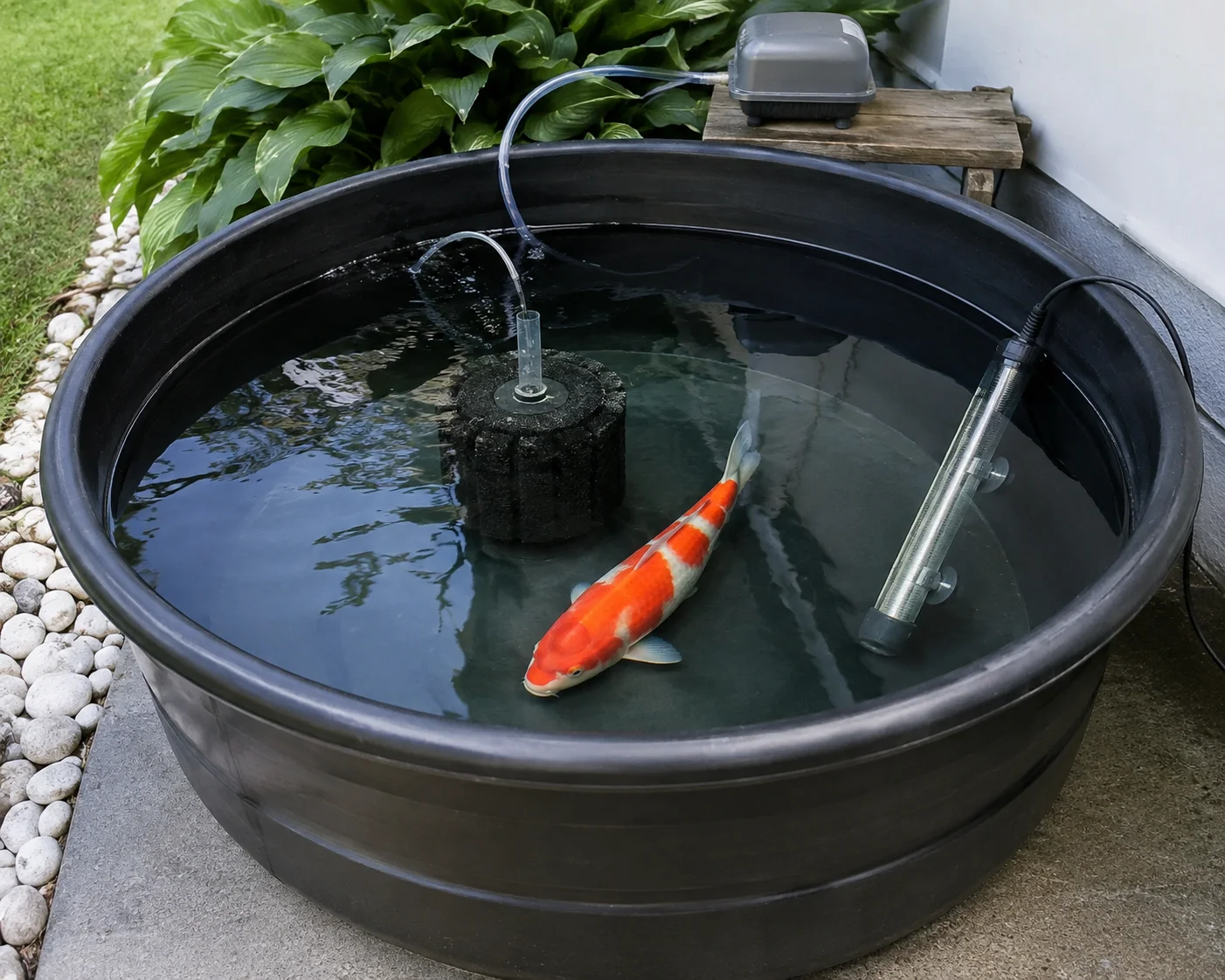
A koi quarantine setup needs five core pieces: a plastic or rubber tank (never galvanized), a filter with aeration, a submersible heater to keep temperature stable, non-iodized pond salt for stress reduction, and a way to test water quality. Quarantine every new koi for 3-4 weeks before introducing it to your main pond.
New koi can carry parasites, bacteria, or even viruses like KHV without showing any visible symptoms at the point of sale. Skipping quarantine means gambling your entire established pond on a fish you’ve had for a day. I’ve been keeping and breeding koi since the 1980s, and a dedicated quarantine setup is one of the cheapest insurance policies in this hobby — most of the equipment below costs less than a single koi you’d be trying to protect.
This checklist covers exactly what you need, why each piece matters, and how to size everything for the fish you’re isolating.
Table of Contents
Why Do New Koi Need to Be Quarantined?
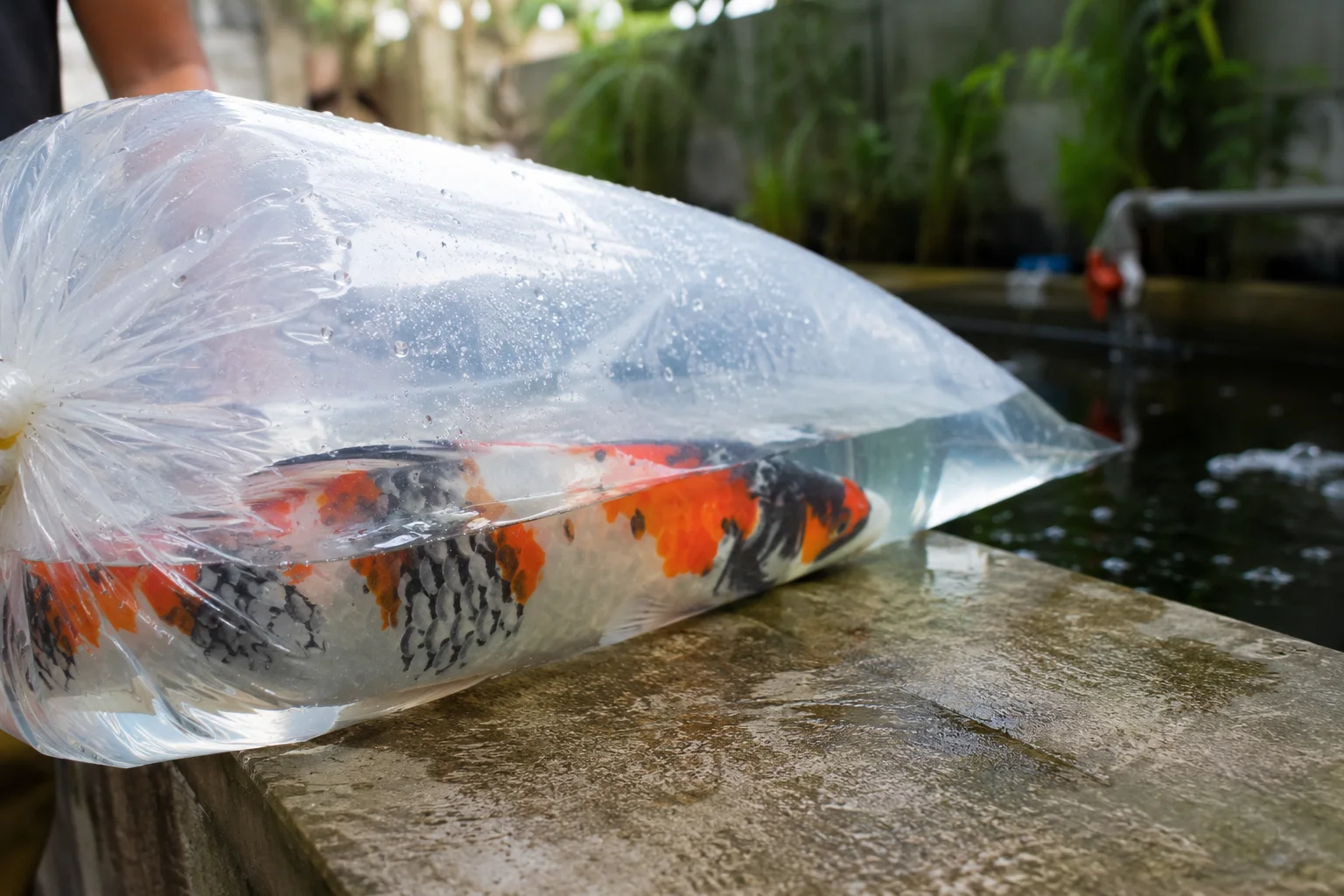
Koi can appear completely healthy while carrying parasites like flukes or anchor worm, or bacterial and viral pathogens that only show symptoms once the fish is stressed. Introducing an untreated fish straight into your main pond exposes your entire established collection to whatever it’s carrying — and by the time you notice symptoms, every fish in the pond has already been exposed. A quarantine tank isolates that risk to a single, easily-treated volume of water instead.
What Tank or Tub Should You Use for Quarantine?
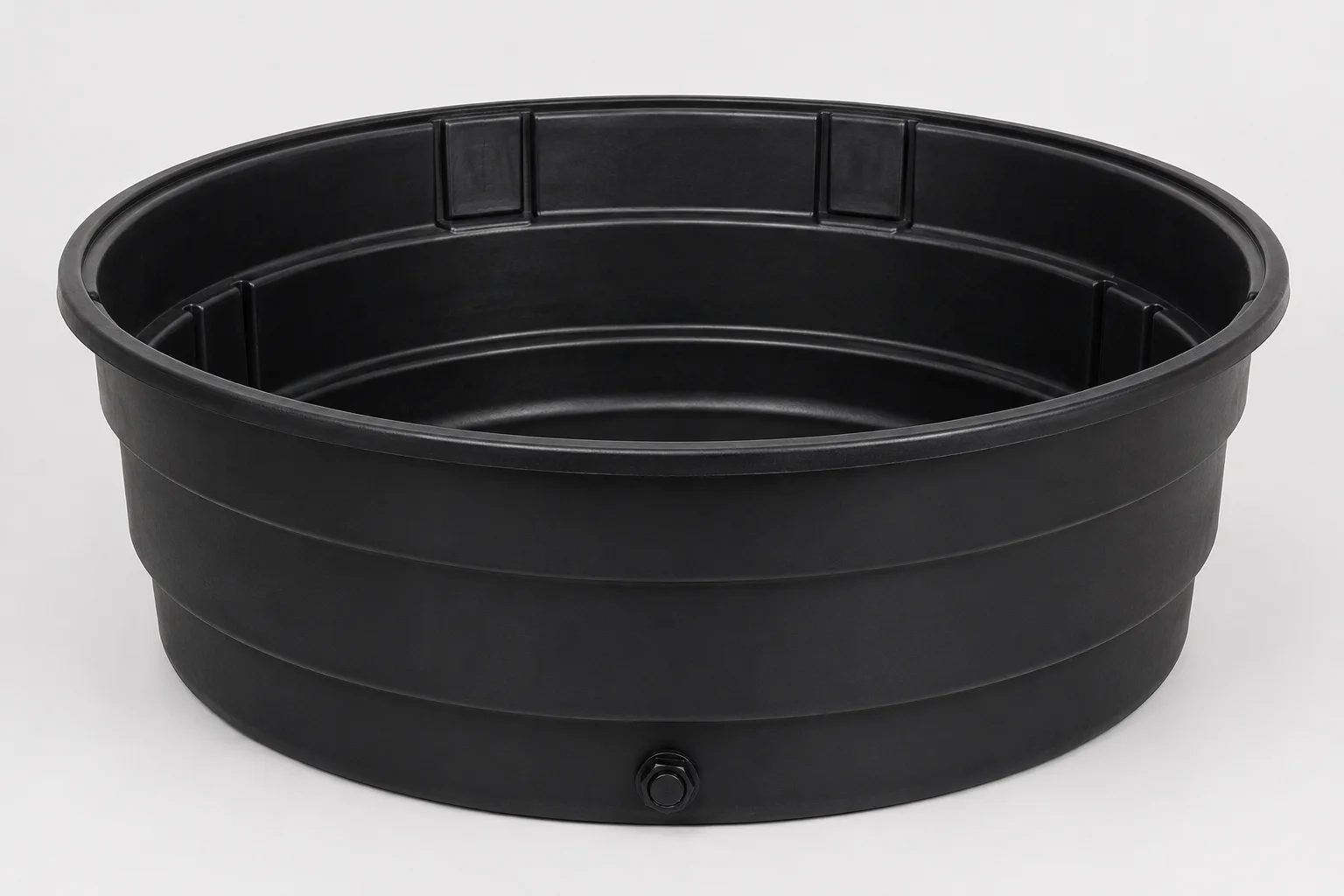
Use plastic, rubber, or food-grade poly tanks only — never galvanized metal, which can leach zinc and harm your fish. Stock tanks (the kind sold for livestock watering) are the standard choice among koi keepers because they’re affordable, durable, and come in sizes that scale with how many fish you’re isolating. As a rule of thumb, a 50-gallon tank comfortably holds 2-3 koi in the 8-10 inch range; larger or more numerous fish need more volume.
Rubbermaid Commercial Stock Tank, 50-Gallon
A durable, non-toxic tank built for exactly this kind of use. The oversized drain plug makes water changes fast, and the reinforced sidewalls hold up well to repeated outdoor use across quarantine cycles.
Check Price on Amazon →What Filtration Does a Quarantine Tank Need?
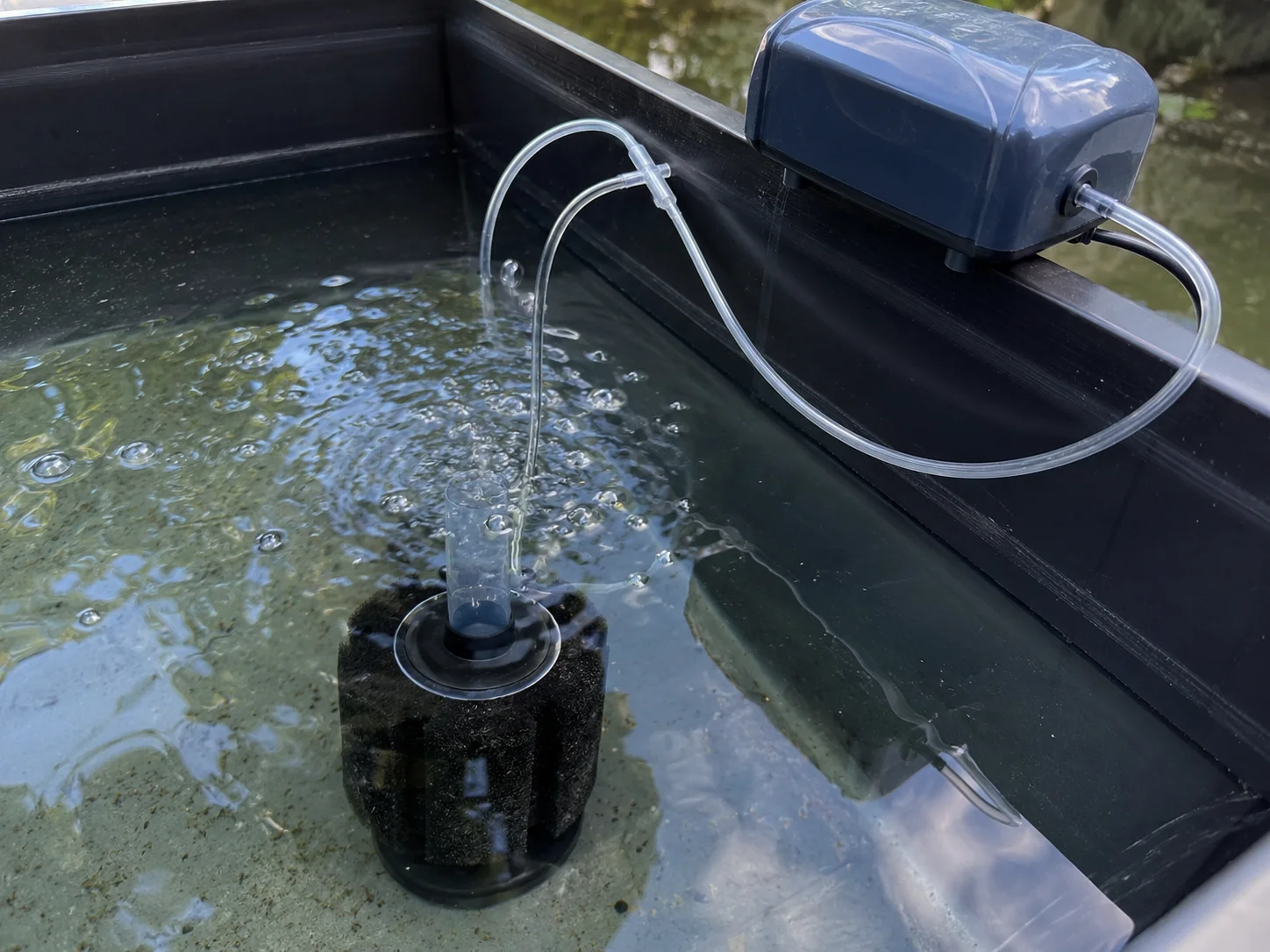
A quarantine tank’s small water volume means ammonia can spike to dangerous levels fast, so filtration isn’t optional. A sponge filter powered by an air pump is the standard setup — it’s gentle enough not to stress a recovering fish, provides both mechanical and biological filtration, and is easy to sanitize between uses. If you have access to mature filter media from your main pond’s filter, seeding the sponge with it can cut cycling time from weeks down to just a few days.
AQQA Aquarium Sponge Filter (5-20 Gallon)
A gentle, low-flow filter that won’t stress a recovering fish, with both a mechanical sponge stage and biological media for establishing a bacteria colony. Requires a separate air pump to run.
Check Price on Amazon →Tetra Whisper Air Pump (Up to 100 Gallons)
Runs your sponge filter and keeps dissolved oxygen levels high — critical since quarantined koi are often already stressed and need every advantage. The dual outlet lets you run both a filter and an air stone off one pump.
Check Price on Amazon →Do You Need a Heater for a Quarantine Tank?
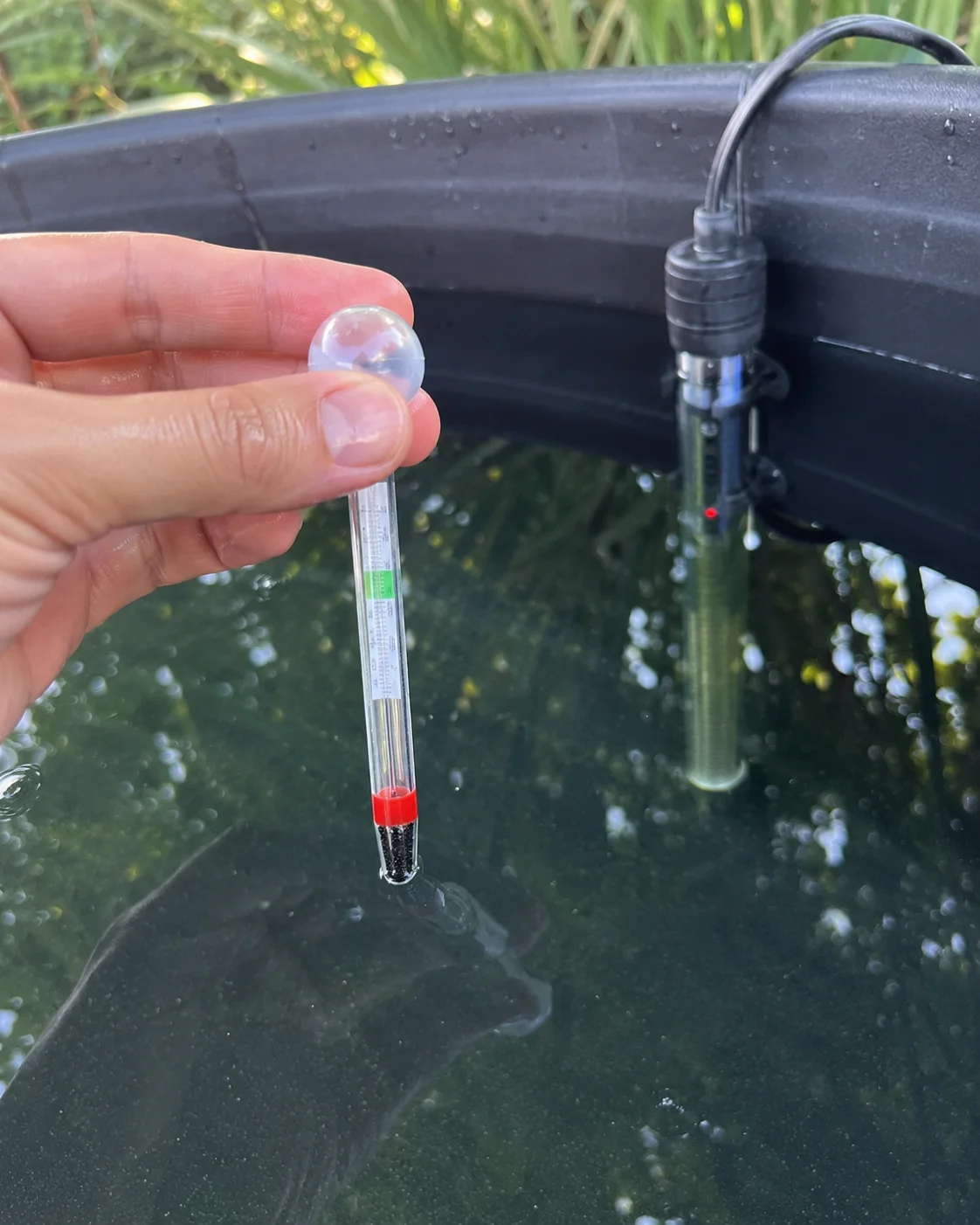
Yes, if temperatures in your area swing outside the 74-78°F range koi need for a stable immune response. Sudden temperature drops are one of the most common triggers for parasite outbreaks like ich in newly transported fish, since cold-stress transport followed by a warm pond (or vice versa) shocks the fish’s immune system right when it’s most vulnerable.
Aqueon Submersible Aquarium Heater, 300W (Up to 100 Gallons)
Keeps quarantine water temperature stable regardless of outdoor swings, which matters most in the first week after a stressful transport when koi are least equipped to handle sudden changes.
Check Price on Amazon →Why Use Salt During Quarantine?
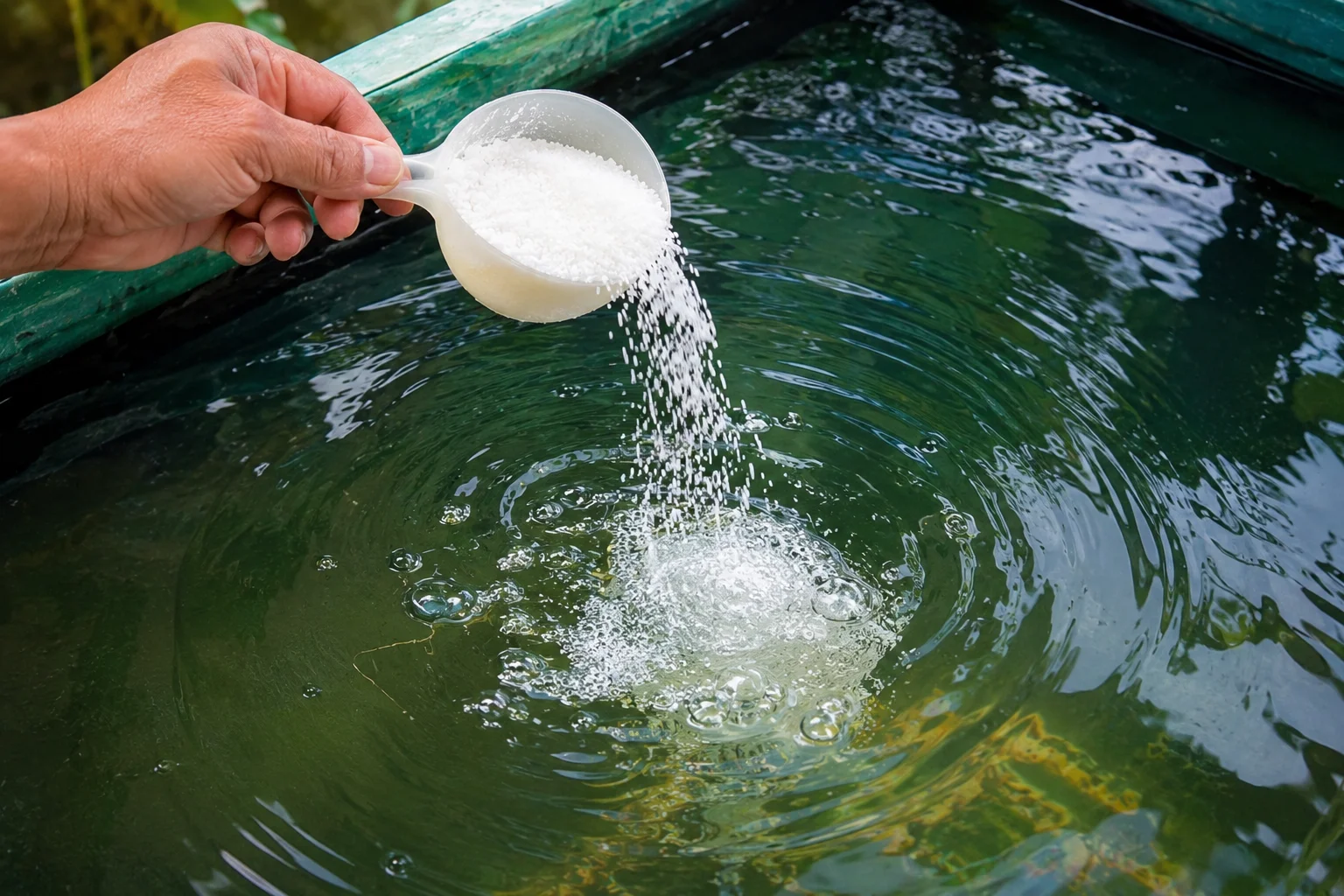
Non-iodized pond salt at roughly 0.3% salinity is standard practice during quarantine. It helps restore the fish’s slime coat and electrolyte balance after transport stress, and creates an environment that’s mildly inhospitable to several common external parasites without stressing the fish itself. Never use iodized table salt — the added iodine can harm koi.
Aquascape Pond Salt, Non-Iodized (9 lbs)
Each scoop treats roughly 190 gallons, which makes it easy to dial in the 0.3% quarantine dosage without guesswork.
Check Price on Amazon →Full Equipment Checklist
| Item | Why It’s Needed | |
|---|---|---|
| Plastic/poly stock tank (50 gal+) | Safe, non-toxic isolation space | View |
| Sponge filter | Mechanical + biological filtration without stressing the fish | View |
| Air pump | Powers the filter, keeps dissolved oxygen high | View |
| Submersible heater | Stable temperature (74-78°F), avoids cold-stress parasite outbreaks | View |
| Non-iodized pond salt | Slime coat recovery, mild parasite deterrent | View |
| Water test kit | Monitor ammonia, nitrite, and pH during cycling | — |
| Soft-mesh net | Safe handling without injuring the fish | — |
How Long Should You Quarantine New Koi?
Quarantine every new koi for a minimum of 3-4 weeks, inspecting closely throughout that period for signs of parasites like flukes or anchor worm, unusual behavior, or visible sores. If your quarantine tank has an established filter, feed lightly and monitor ammonia, nitrite, and pH regularly. If it doesn’t have a filter yet, do a 25% partial water change every 2-3 days instead, and maintain the 0.3% salt concentration throughout.
Frequently Asked Questions
Can I use a plastic kiddie pool as a quarantine tank?
Yes, as long as it’s food-grade plastic without dyes or coatings that could leach into the water. Many koi keepers use livestock stock tanks specifically because they’re built from safe, durable, UV-resistant plastic designed for animal contact.
Do I need a heater if I live somewhere warm?
You may not need one year-round, but even in warm climates, overnight temperature swings or a cold transport container can shock a stressed fish. A heater is inexpensive insurance, especially during the first week of quarantine when koi are most vulnerable.
How much salt should I add to a quarantine tank?
Aim for roughly 0.3% salinity, which most pond salt products list dosage instructions for by gallon. Always use non-iodized salt made for aquariums or ponds — never iodized table salt, which can harm koi.
Can I quarantine multiple koi together?
Yes, as long as all the fish arrived from the same source at the same time. Mixing koi from different sources in one quarantine tank risks cross-contaminating fish that weren’t otherwise exposed to each other’s pathogens.
What size tank do I need for one koi?
A single koi in the 8-10 inch range can be comfortably quarantined in a 30-50 gallon tank. Larger koi or multiple fish from the same source need proportionally more volume to avoid overcrowding stress.
Koi keeper and breeder since the 1980s, running a backyard koi and aquaculture operation in Labangan, Zamboanga del Sur. Giovanni writes hands-on care guides based on decades of experience raising koi, goldfish, and other ornamental fish.

Passionate about fish keeping since elementary school in the 1980s, Giovanni Carlo has dedicated countless hours to collecting and breeding a diverse array of ornamental freshwater fish. From vibrant guppies and majestic koi to striking bettas and classic goldfish, he continues to explore the fascinating world of aquatics, sharing knowledge and enthusiasm with fellow fish enthusiasts.