


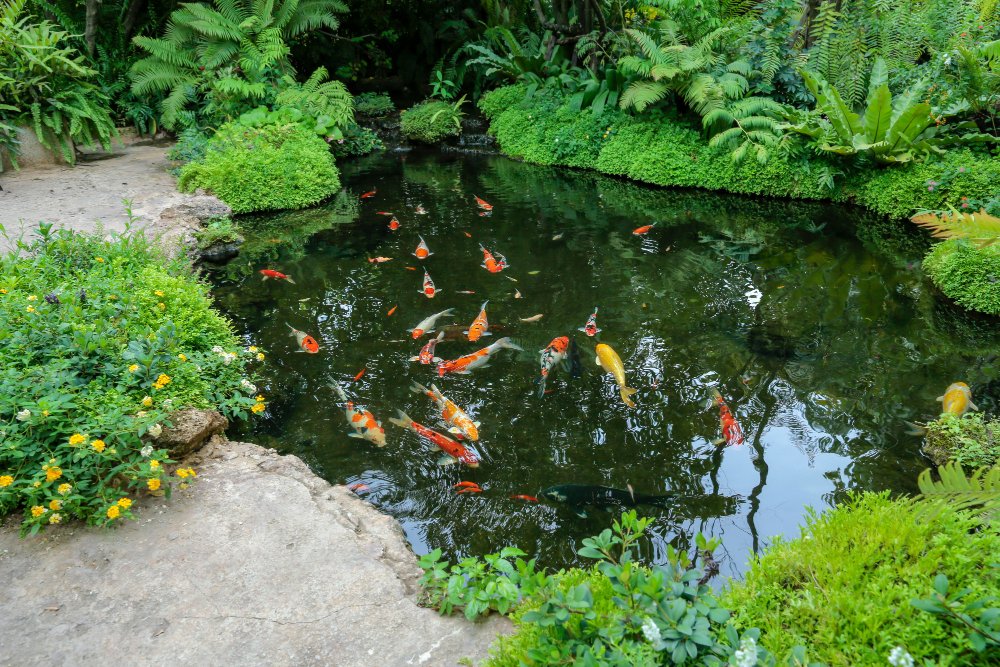
Koi Pond Plants: Elevate Your Aquatic Paradise
Koi ponds are more than just a home for your vibrant koi fish—they’re an ecosystem that thrives when designed thoughtfully. One of the most critical elements of a successful koi pond is the plants that surround and live within it. Koi pond plants aren’t just for aesthetic appeal; they play a pivotal role in maintaining water quality, providing shade, and enhancing the overall health of your pond. Let’s dive into the wonderful world of koi pond plants and explore the best options for your aquatic haven.
Why Koi Pond Plants Are Essential
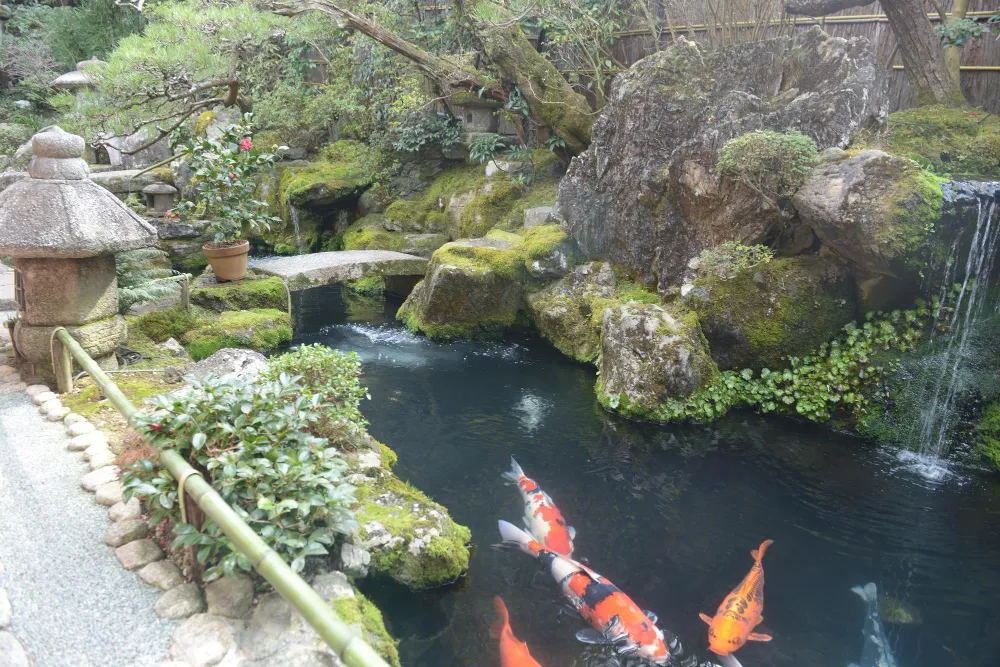
Koi pond plants serve several purposes:
- Natural Filtration: Aquatic plants absorb excess nutrients from the water, preventing algae blooms that can cloud your pond and harm your koi.
- Shade and Shelter: Floating plants provide shade, keeping the water cool during hot months, while submerged plants offer hiding spots for koi.
- Oxygenation: Many pond plants release oxygen into the water, ensuring your koi fish have the air they need to thrive.
- Aesthetic Appeal: Whether you’re going for a Zen garden vibe or a lush jungle look, plants bring life and beauty to your pond.
Types of Koi Pond Plants
To create a balanced ecosystem, it’s essential to include a mix of floating, submerged, marginal, and bog plants. Here’s a list of must-have koi pond plants:
1. Floating Plants
- Water Lettuce: A fast-growing plant that offers excellent shade and absorbs nitrates efficiently.
- Water Hyacinth: Known for its vibrant flowers, this plant is perfect for nutrient absorption and algae control.
- Duckweed: A small, hardy plant that koi love to snack on.
2. Submerged Plants
- Anacharis (Elodea): Helps oxygenate the water and provides a natural hiding spot for fish.
- Hornwort: A popular oxygenating plant that doesn’t require planting in soil.
- Vallisneria: A grass-like plant that creates a lush underwater forest.
3. Marginal Plants
- Pickerelweed: Adds height and color with its purple blooms and thrives in shallow pond edges.
- Cattails: Classic pond plants that provide structure and help prevent soil erosion.
- Iris: These plants come in various colors and love damp soil near the water’s edge.
4. Bog Plants
- Marsh Marigold: Bright yellow flowers make this plant a standout choice for pond borders.
- Papyrus: Adds a tropical touch with its unique umbrella-like foliage.
- Arrowhead Plant: Named for its arrow-shaped leaves, this plant grows well in saturated soil.
How to Choose Plants for Your Koi Pond
When selecting plants for your koi pond, consider these factors:
- Climate: Choose plants suited to your local climate to ensure year-round success.
- Koi Compatibility: Koi fish may nibble on certain plants, so select hardy species that can withstand occasional grazing.
- Growth Rate: Opt for plants that grow at a manageable pace to prevent overcrowding.
Tips for Maintaining Koi Pond Plants
- Plant Placement: Use a mix of plants at different levels—floating, submerged, and marginal—for a layered and dynamic ecosystem.
- Prune Regularly: Trim back overgrown plants to maintain proper water flow and prevent your koi from getting tangled.
- Balance Nutrients: Avoid overfeeding your koi, as excess waste can lead to nutrient overload and promote algae growth.
- Add Plant Barriers: Protect vulnerable plants with floating rings or nets to keep hungry koi at bay.
Benefits of a Well-Planted Koi Pond
A well-planted koi pond doesn’t just look stunning; it becomes a thriving ecosystem. Plants filter out toxins, prevent algae overgrowth, and create a calming environment for koi. Plus, the interplay of vibrant koi and lush greenery offers a picturesque focal point for your garden.
Conclusion
Transforming your koi pond into a lush paradise starts with choosing the right plants. By incorporating a mix of floating, submerged, and marginal plants, you create a balanced ecosystem that benefits both your koi and the overall beauty of your garden.
So, whether you’re a seasoned koi keeper or just starting your aquatic adventure, investing in the right plants will elevate your pond from ordinary to extraordinary. Ready to make a splash? Dive into the world of koi pond plants today!
FAQs About Koi Pond Plants
What is the best plant for a koi pond?
The best plant for a koi pond depends on its role in the ecosystem. Floating plants like water hyacinth and water lettuce are excellent for providing shade and absorbing excess nutrients, while submerged plants like anacharis and hornwort help oxygenate the water. Marginal plants such as pickerelweed and iris add beauty and structure. A balanced mix of these plants ensures a healthy pond environment.
What kind of tree is best for a koi pond?
Trees with minimal leaf drop are ideal for koi ponds to avoid excess debris that can affect water quality. Some great options include:
- Japanese Maple: Adds an elegant touch and doesn’t shed excessively.
- Willow Tree: Its graceful branches create shade and a peaceful aesthetic.
- Bamboo: Though technically a grass, bamboo works well near koi ponds due to its minimal maintenance and fast growth.
Avoid trees like oak or pine, as their leaves can introduce tannins or resin into the water, potentially harming the koi.
Do koi fish need live plants?
While koi fish don’t require live plants to survive, having them in your pond offers significant benefits. Live plants improve water quality by absorbing nitrates and providing oxygen. They also create shade and hiding spots, reducing stress for your koi. Additionally, koi enjoy nibbling on plants like duckweed, which can supplement their diet.
Can koi live without sunlight?
Koi can survive without direct sunlight, but sunlight is beneficial for maintaining their vibrant colors and overall health. If your pond is in a shaded area, ensure it’s well-lit with natural or artificial light for at least a few hours a day. Be mindful of extreme exposure, as too much direct sunlight can overheat the water and promote algae growth.
By addressing these common questions, you can ensure your koi pond remains a thriving and harmonious aquatic paradise.
You may also like
- https://giobelkoicenter.com/the-ultimate-guide-to-the-biggest-koi-fish/
- https://giobelkoicenter.com/koi-fish-lucky/
- https://giobelkoicenter.com/the-meaning-behind-koi-fish-colors/
- https://giobelkoicenter.com/the-most-expensive-koi-fish-ever-sold/
- https://giobelkoicenter.com/dumbo-ear-mosaic-guppies/
- https://giobelkoicenter.com/small-koi-pond-a-comprehensive-guide/
Table of Contents


Passionate about fish keeping since elementary school in the 1980s, Giovanni Carlo has dedicated countless hours to collecting and breeding a diverse array of ornamental freshwater fish. From vibrant guppies and majestic koi to striking bettas and classic goldfish, he continues to explore the fascinating world of aquatics, sharing knowledge and enthusiasm with fellow fish enthusiasts.