Quick Answer
Yes — koi are found on Okinawa, since they’re native to Japan broadly, though Okinawa’s own subtropical climate and marine life (whale sharks, coral reefs) get far more attention there than koi specifically. If you’re visiting, the Tropical Dream Center botanical garden — part of the Churaumi Aquarium complex in Motobu — has an actual koi pond worth seeking out.
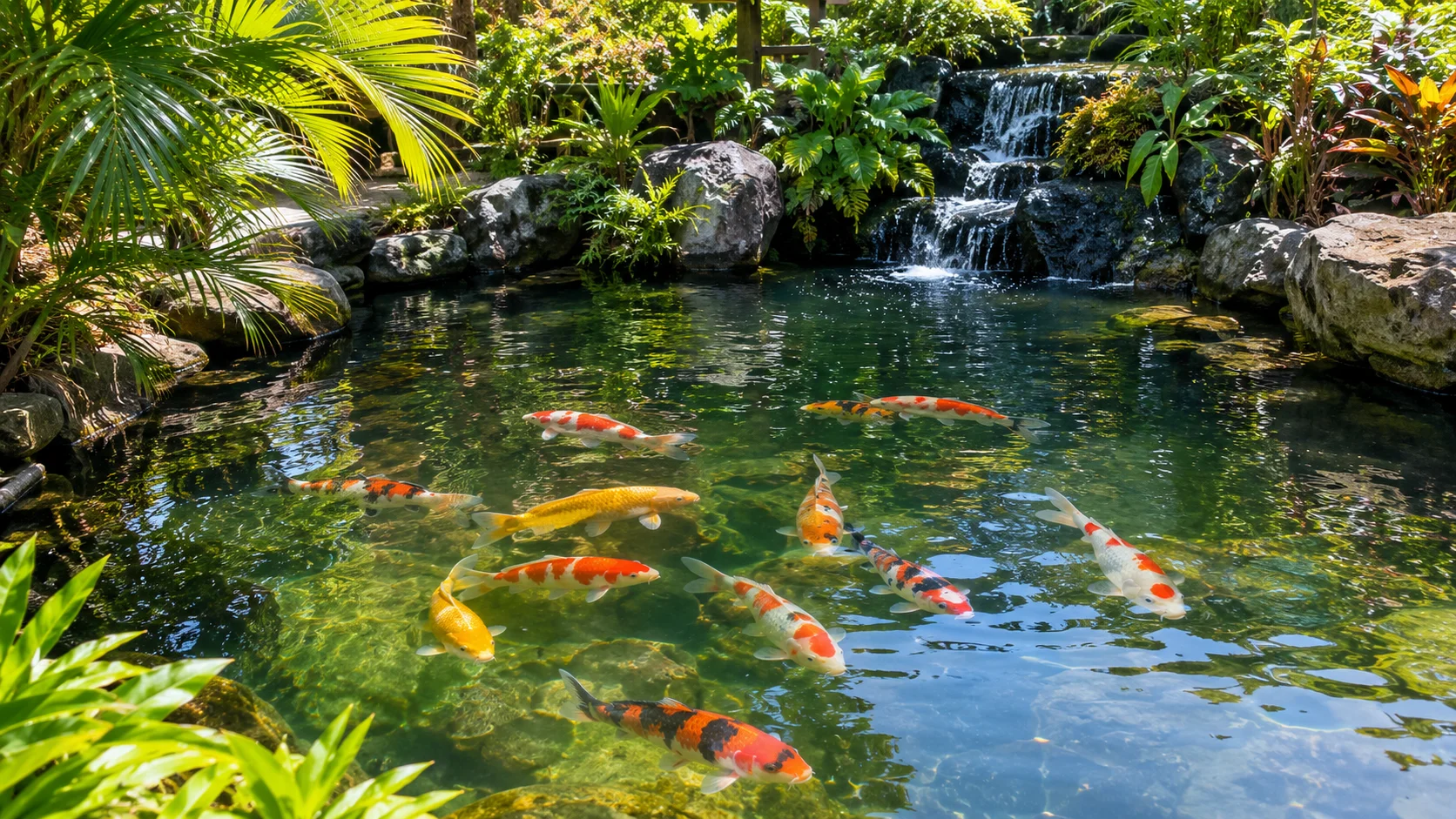
Koi are native to Japan broadly, so yes, they’re present on Okinawa — but it’s worth being upfront that Okinawa isn’t primarily known for koi the way mainland regions like Niigata are. Okinawa’s identity is built around its subtropical marine life and coral reefs far more than freshwater ornamental fish.
Where to Actually See Koi on Okinawa
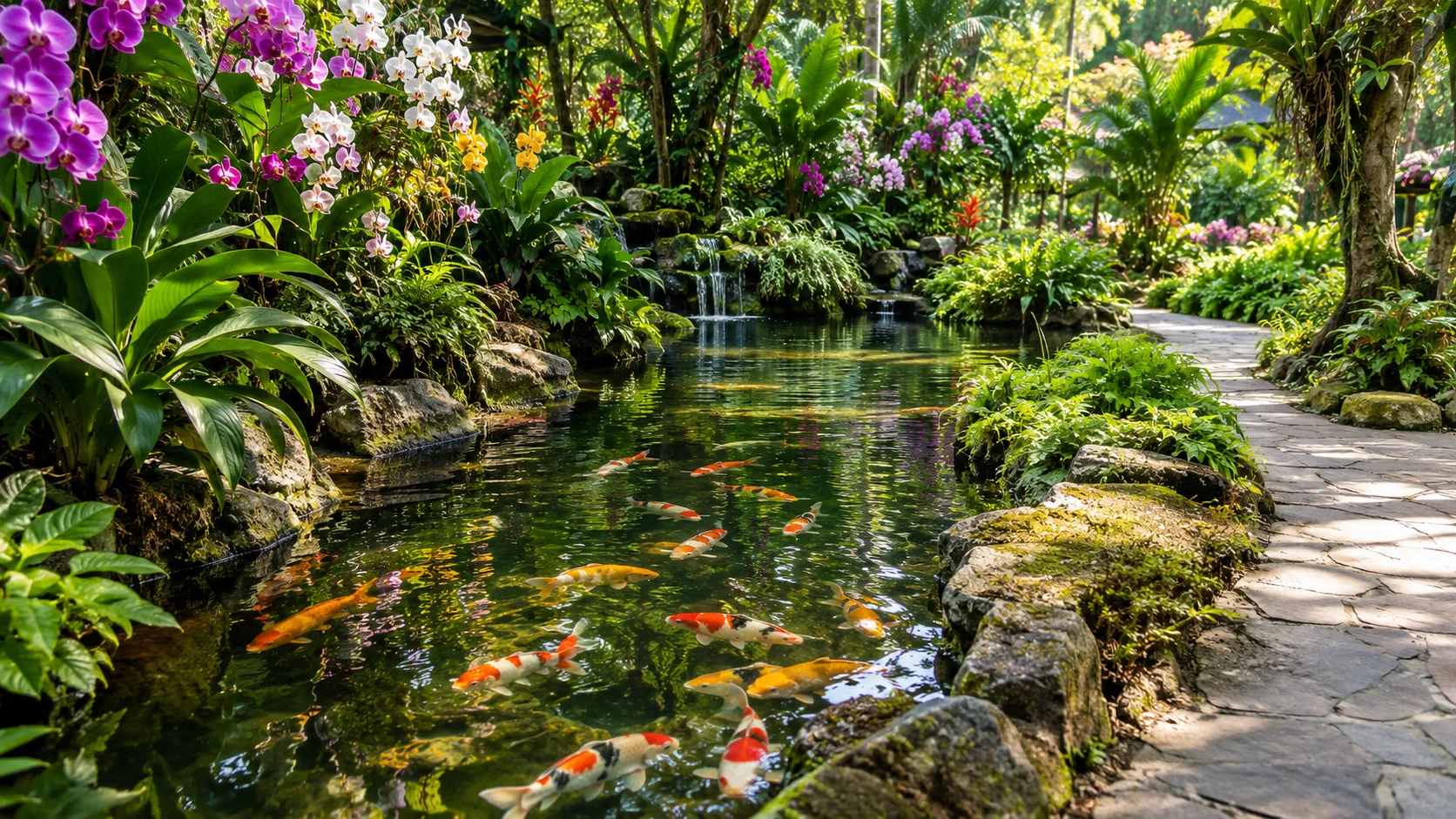
If you’re specifically looking to see koi during a visit, the Tropical Dream Center — a botanical garden that’s part of the larger Ocean Expo Park complex in Motobu, alongside the famous Churaumi Aquarium — has a genuine koi pond among its greenhouses and orchid displays. It’s a quieter, less-visited part of the park compared to the aquarium’s main shark and whale tanks, making it a nice stop if you want a calmer, garden-focused experience alongside the marine exhibits.
Worth clarifying since this gets mixed up often: the main Churaumi Aquarium itself is a saltwater facility (its star attraction is the massive Kuroshio Sea tank with whale sharks and manta rays) — it’s not where you’d go specifically for koi. The koi pond is in the adjoining garden area.
Quick Koi Facts
- Koi are a domesticated, colorful variety of carp — the word “koi” itself is simply the Japanese word for carp.
- Ornamental koi as we know them today were developed through selective breeding in Japan roughly 200 years ago, in the Niigata region — though the wild carp species they descend from has a much longer history across Asia.
- Kohaku (white with red markings) is widely considered the classic, most iconic koi color pattern.
- Koi can live for decades with good care — commonly 25-35 years, with some documented individuals living considerably longer, though claims of koi regularly living past 100 years are exceptional rather than typical.
- Koi are a well-known symbol of good luck and perseverance in Japanese culture.
Things to Avoid If You Keep Koi
- Don’t use food that isn’t formulated for koi — their nutritional needs differ from generic fish food.
- Don’t undersize their space. Koi need real room to grow — a small tank or bowl isn’t appropriate for adult koi.
- Don’t skip filtration. Koi produce significant waste; a pond or tank without a proper filter will develop dangerous water quality quickly.
- Don’t neglect aeration. Koi need consistent dissolved oxygen to thrive.
- Don’t leave a pond uncovered or unprotected. Predators (herons, raccoons, cats) are a genuine risk without some form of protection.
Frequently Asked Questions
Are koi fish native to Okinawa specifically?
Koi are native to Japan broadly rather than Okinawa specifically — Okinawa’s own ecological identity centers more on its subtropical marine life than freshwater ornamental fish.
Where can I see koi fish on Okinawa?
The Tropical Dream Center, part of Ocean Expo Park in Motobu (alongside the Churaumi Aquarium), has an actual koi pond among its botanical garden displays.
Is Churaumi Aquarium a good place to see koi?
Not directly — Churaumi is a saltwater aquarium known for whale sharks and manta rays. The koi pond is in the adjoining Tropical Dream Center garden, not inside the main aquarium itself.
You may also like
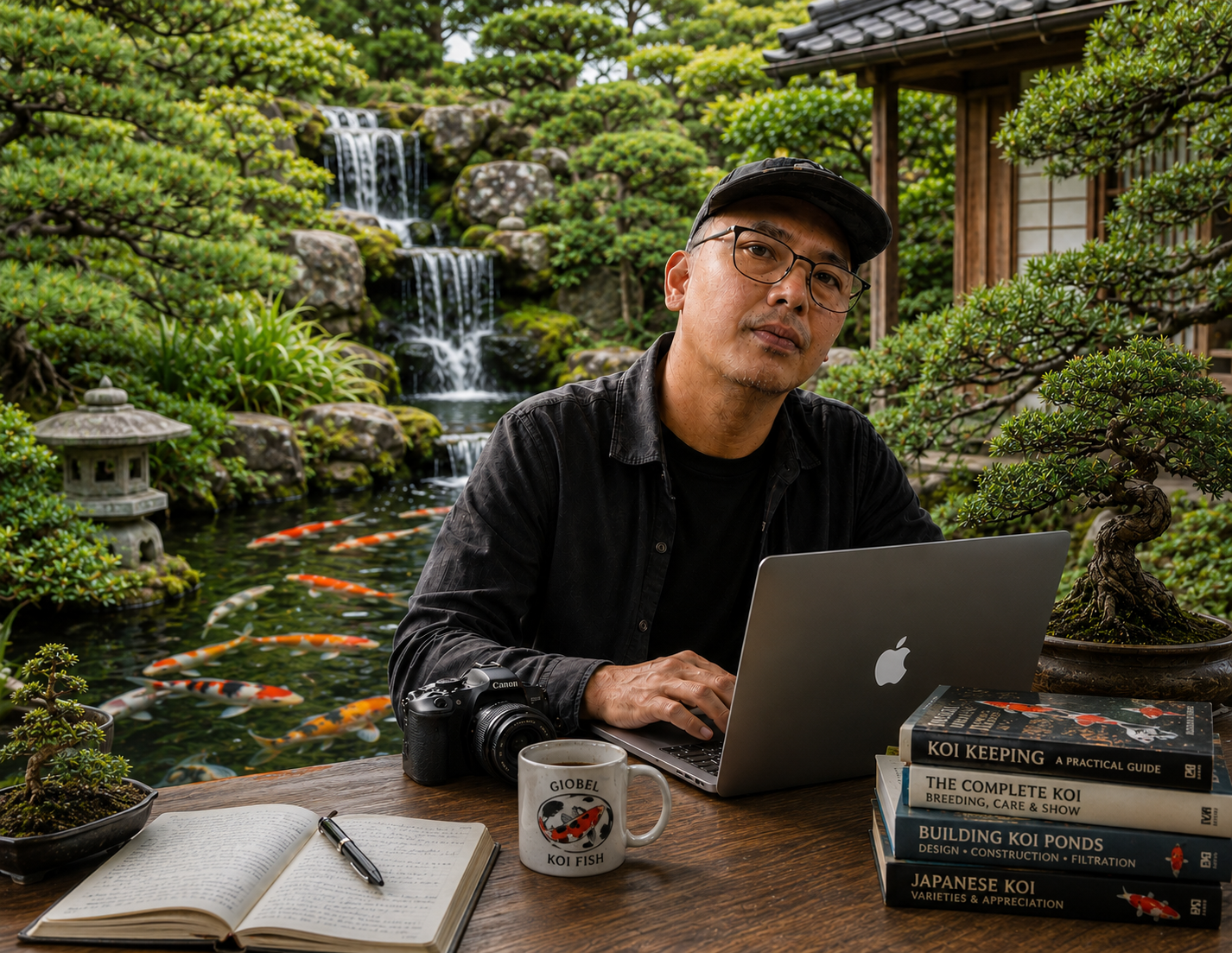

Passionate about fish keeping since elementary school in the 1980s, Giovanni Carlo has dedicated countless hours to collecting and breeding a diverse array of ornamental freshwater fish. From vibrant guppies and majestic koi to striking bettas and classic goldfish, he continues to explore the fascinating world of aquatics, sharing knowledge and enthusiasm with fellow fish enthusiasts.