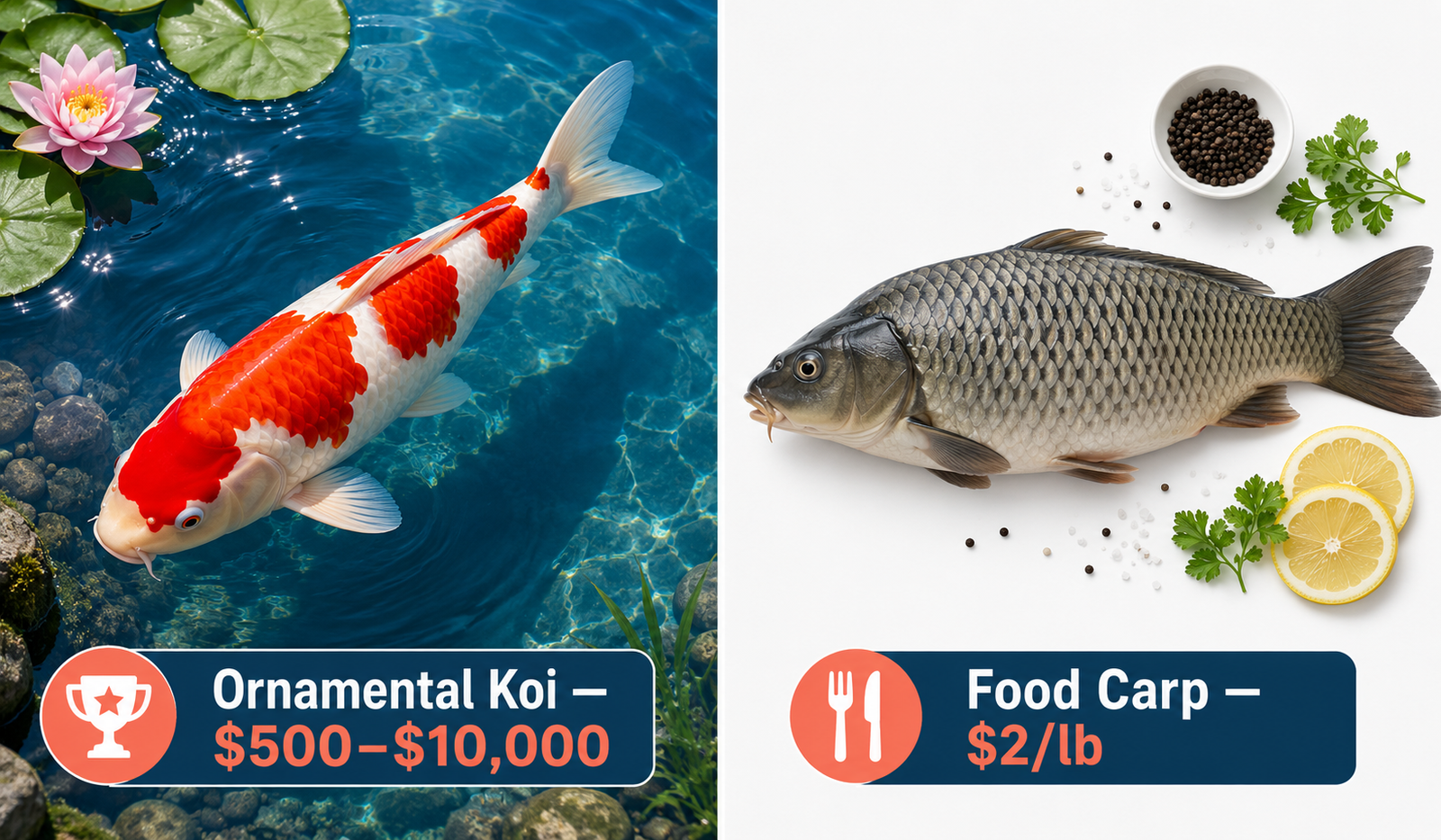
Ornamental koi — biologically edible, but a very poor choice for eating. Here is the complete breakdown of why.
Direct Answer
Yes, koi fish are edible — they are domesticated carp (Cyprinus rubrofuscus), and carp is eaten across Asia, Eastern Europe, and the Middle East. But ornamental pond koi are a very poor choice for eating for four reasons:
Chemical residues — pond treatments (algaecides, antibiotics, antiparasitic medications) accumulate in the flesh and are not cleared for food use
Parasite risk — freshwater fish carry tapeworms and liver flukes; koi are not inspected or purged like commercial food fish
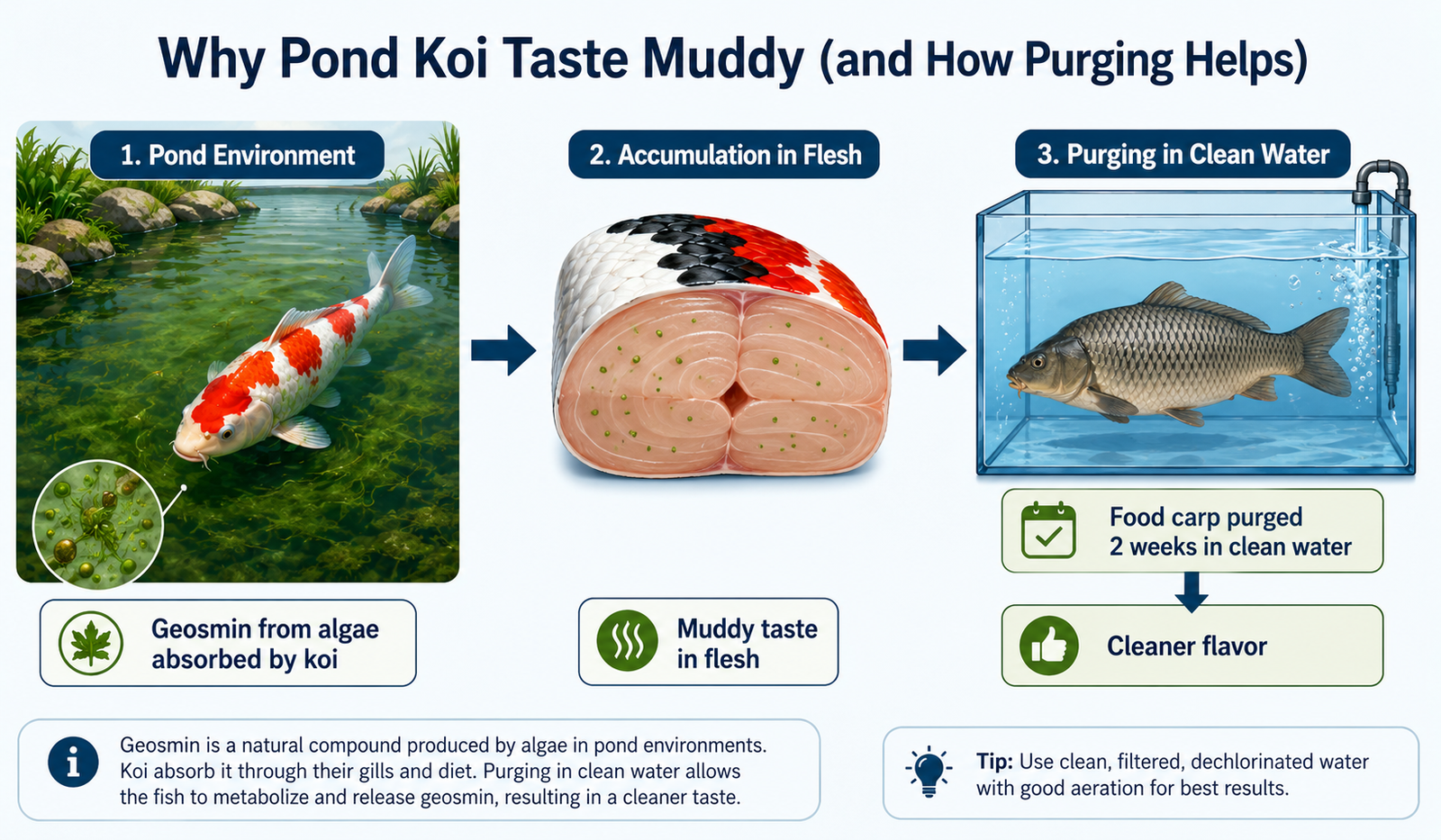
Muddy taste — geosmin from pond algae gives koi a strong earthy flavor that is difficult to remove
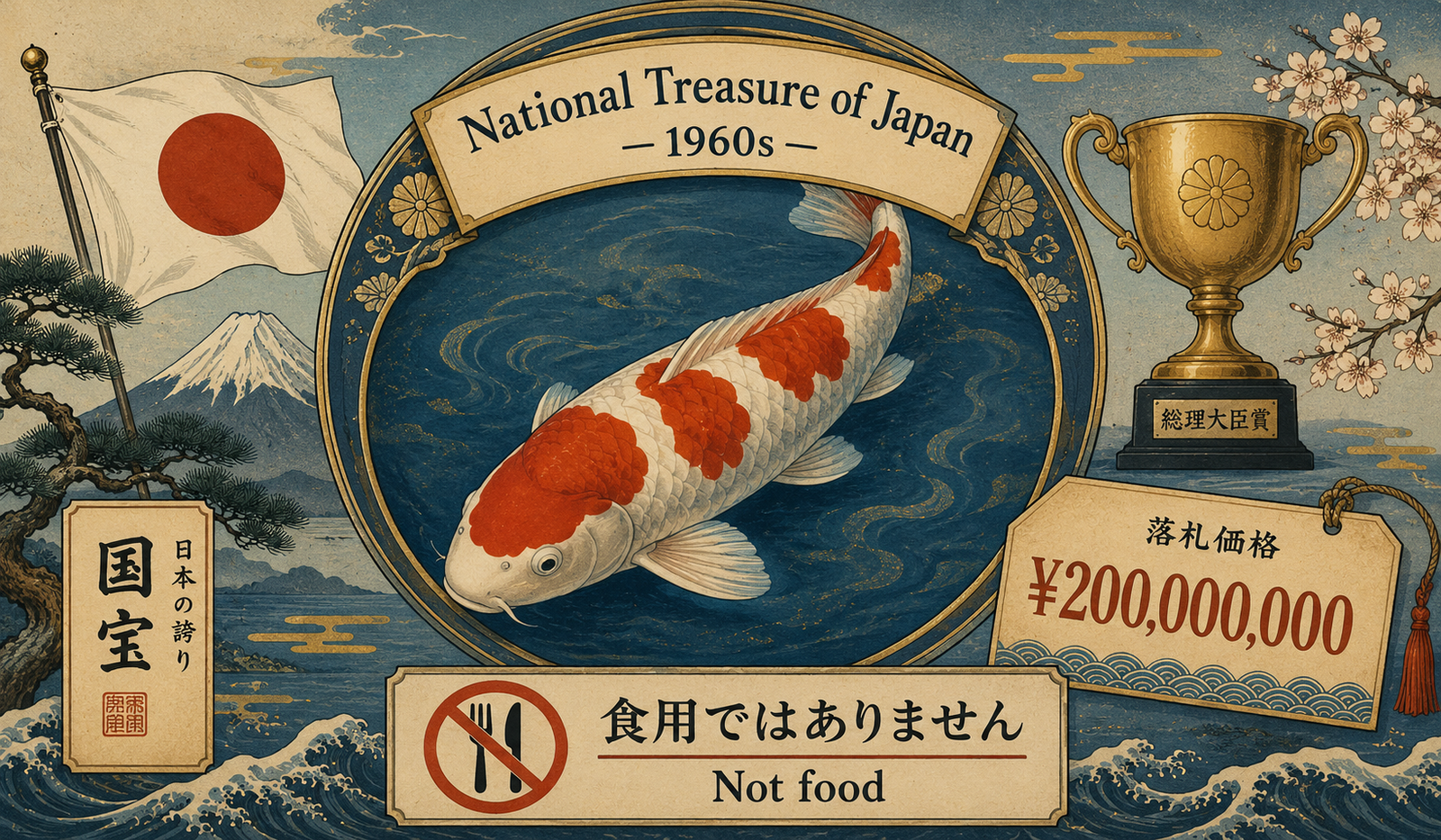
Value and ethics — a single koi can be worth $50 to $1.8 million; they are living national treasures in Japan
Verdict: Biologically possible. Practically and ethically: a bad idea.
Are koi fish edible? The biology
The direct answer: yes, koi fish are biologically edible. Koi are a domesticated variety of the Amur carp (Cyprinus rubrofuscus) — the same species that has been farmed and eaten as common carp across Asia, Eastern Europe, and the Middle East for thousands of years. There is nothing inherently toxic or poisonous about koi flesh.
If you placed a koi and a food carp side by side, you would find similar firm white flesh, a similar bone structure (including many small intramuscular Y-shaped bones), and a similar nutritional profile. The FAO (Food and Agriculture Organization of the United Nations) lists common carp as one of the most widely cultured food fish in the world — over 4 million tonnes are produced annually for human consumption.
Koi became ornamental fish through selective breeding. Before the 19th century, carp in Japan were primarily food fish. It was Niigata Prefecture farmers who began selectively breeding for color mutations in the 1820s — creating the Nishikigoi we keep today. The species is identical; the purpose and raising conditions diverged 200 years ago.
From 40+ years of koi keeping
I have kept koi since the 1980s in the Philippines, where food carp and ornamental koi coexist in the culture. Common carp is eaten regularly here — it is a different matter entirely from eating a prized ornamental fish worth hundreds of dollars that you have fed, named, and watched swim for years. The biology is the same. Everything else is different.
Is it safe to eat koi fish? — 4 safety concerns
Ornamental pond water is not a controlled food environment — chemical treatments, parasites, and unknown water quality make pond koi a poor and potentially unsafe food source.
The safety question has several layers — and the answer for most ornamental pond koi is “not really safe.” Here is the breakdown:
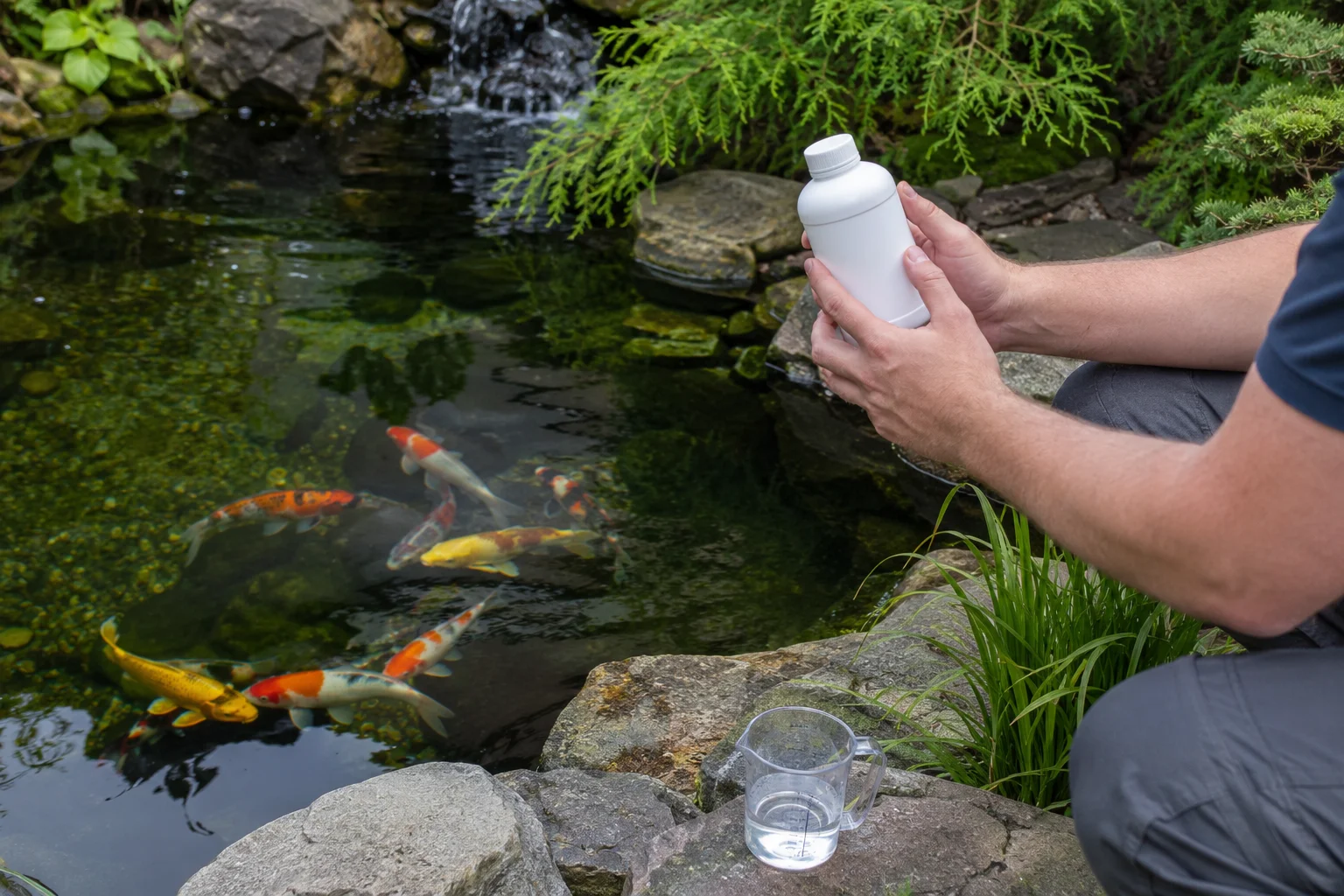
Ornamental koi ponds are regularly treated with algaecides, antibiotics, and antiparasitic medications — none of which are approved for food fish use. These chemicals accumulate in the flesh of the fish.
Safety concern
Risk level
Detail
Pond chemical residues
High
Algaecides, antibiotics (metronidazole, potassium permanganate), antiparasitic treatments are used in most koi ponds and are not approved for food fish use. These accumulate in fish flesh.
Parasites
High
Freshwater fish commonly carry tapeworms (Diphyllobothrium), liver flukes (Opisthorchis), and other parasites. Commercial food fish are inspected; pond koi are not. Cooking to 145°F (63°C) kills parasites.
Water contamination
Variable
Heavy metals, agricultural runoff, or industrial pollutants in your water source can concentrate in fish flesh. Urban and suburban pond water quality is unknown without testing.
Bacteria
Moderate
Freshwater fish carry bacteria including Aeromonas and Mycobacterium that can cause illness if fish is undercooked or handled improperly. Thorough cooking eliminates this risk.
Bones
Moderate
Carp have complex intramuscular Y-shaped pin bones throughout the flesh. Improperly prepared carp is a choking hazard, particularly for children and the elderly.
Critical safety note
If you choose to eat any freshwater fish including koi, cook to a minimum internal temperature of 145°F (63°C) — this kills tapeworms, liver flukes, and pathogenic bacteria. Never eat raw or undercooked freshwater fish. Follow your regional health authority’s fish consumption advisories for your local waterways.
What does koi fish taste like?
Koi fish tastes like common carp — firm, white flesh with a mild to moderate flavor and a pronounced muddy, earthy aftertaste. The texture is denser than most commonly eaten fish like salmon or tilapia, with many small intramuscular bones throughout.
The muddy taste is caused by geosmin — a compound produced by blue-green algae (cyanobacteria) and Streptomyces bacteria in pond water. Koi absorb geosmin through their skin and diet, and it concentrates in the fatty layers of the flesh, particularly in the skin and the dark lateral line muscle. This is why ornamental pond koi taste significantly muddier than commercially farmed food carp, which are held in clean, purged water for days or weeks before sale to remove geosmin.
Taste profile summary
Characteristic
Ornamental pond koi
Farmed food carp
Flavor
Earthy, muddy, mildly fishy
Mild, clean, slightly sweet
Texture
Firm, dense white flesh
Firm white flesh (similar)
Aftertaste
Strong muddy geosmin aftertaste
Mild or absent after purging
Bones
Many small Y-shaped pin bones
Same bone structure
Overall eating experience
Poor — muddy, bony, difficult
Moderate — acceptable with proper prep
Koi vs food carp — key differences
Koi and food carp are the same species (Cyprinus rubrofuscus/carpio) but are raised in completely different environments with completely different outcomes for food quality:
Factor
Ornamental koi
Farmed food carp
Purpose
Visual beauty, color, pattern
Human food production
Diet
Color-enhancing pellets, algae, pond organisms
Controlled, food-grade aquaculture feed
Chemical exposure
Pond treatments — not food-safe
Regulated aquaculture — food-safe only
Pre-harvest purging
None
Held in clean water 1–3 weeks to remove muddy taste
Food safety inspection
None
Government inspected (FDA, EU standards, etc.)
Geosmin (muddy taste)
High — absorbed from ornamental pond
Low — removed during purging
Value
$50 to $1,800,000
$2–$8 per lb at market
Koi fish nutritional profile
As common carp, koi have a nutritional profile similar to other freshwater fish. Per 100g of cooked carp flesh:
Nutrient
Per 100g (cooked)
Notes
Calories
162 kcal
Moderate energy density
Protein
17.8g
High-quality complete protein
Fat (total)
7.1g
Moderate; higher than lean fish like cod
Omega-3 fatty acids
~0.6g
Lower than salmon; comparable to tilapia
Vitamin B12
1.5 µg (63% DV)
Excellent source
Phosphorus
415mg (33% DV)
Good source
Selenium
12.6 µg (23% DV)
Antioxidant mineral
Nutritionally, carp is a solid protein source — but these figures apply to farmed food carp in a controlled environment, not ornamental pond koi where chemical exposure complicates the health picture.
4 reasons people don’t eat koi fish
Safety — chemical residues and parasites
Ornamental koi ponds are treated with chemicals not approved for food fish: algaecides, potassium permanganate, salt treatments, antibiotics like metronidazole, antiparasitic medications. These accumulate in fish flesh. Additionally, freshwater fish carry parasites (tapeworms, liver flukes) that require thorough cooking to kill. Unlike commercial food fish, pond koi are never inspected or tested for food safety.
Taste — the geosmin problem
Ornamental pond koi absorb geosmin from algae and bacteria in their water, creating a strong muddy, earthy flavor that is difficult to remove. Farmed food carp are purged in clean water for weeks before sale to eliminate this. Without purging, cooking an ornamental koi produces a fish that tastes significantly worse than carp purchased from a market or restaurant.
Cost — the worst value proposition in food
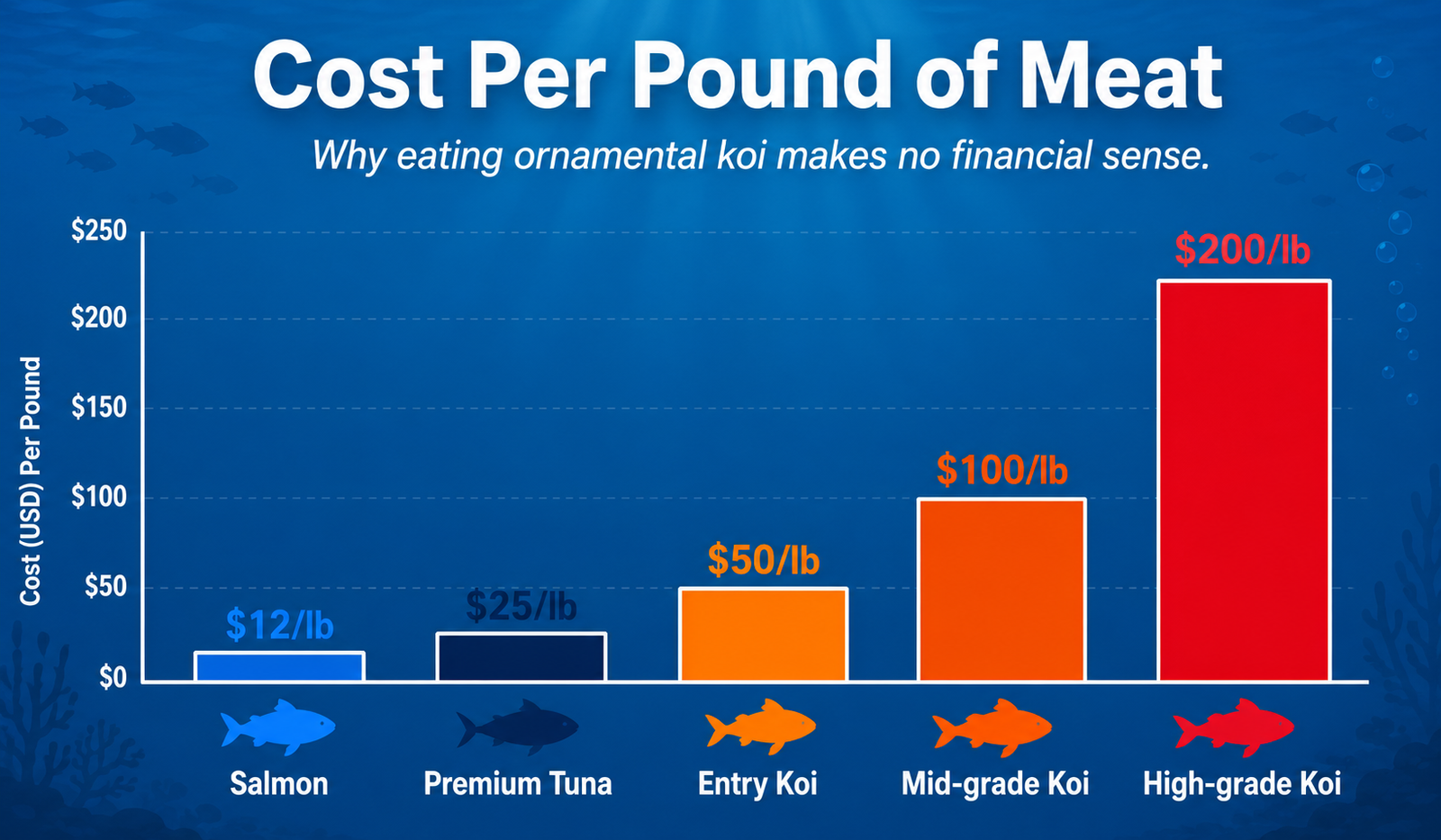
Even the cheapest ornamental koi costs $30–$100. Mid-range koi run $200–$1,000. Show-grade koi can be worth $50,000–$1,800,000. Market carp costs $2–$8 per pound. You could buy hundreds of pounds of high-quality salmon for the price of eating a single decent ornamental koi. The math does not work in any scenario.
The cost math: even the cheapest ornamental koi ($30–$100) buys more than 10 lbs of fresh salmon. A mid-grade koi ($500) buys 60+ lbs. A show koi ($10,000+) buys a year’s worth of premium seafood. The value proposition does not exist.Cultural significance — like eating a show dog
In Japan, Nishikigoi are declared living national treasures — bred over 200 years as living works of art. Eating one would be roughly equivalent to destroying a rare painting or cooking a prize-winning show dog. The cultural weight is that significant. Even outside Japan, most koi keepers form genuine bonds with their fish over their 20–35 year lifespan. The social and ethical inappropriateness of eating them is real, regardless of biological edibility.
Cultural context — where in the world carp is eaten
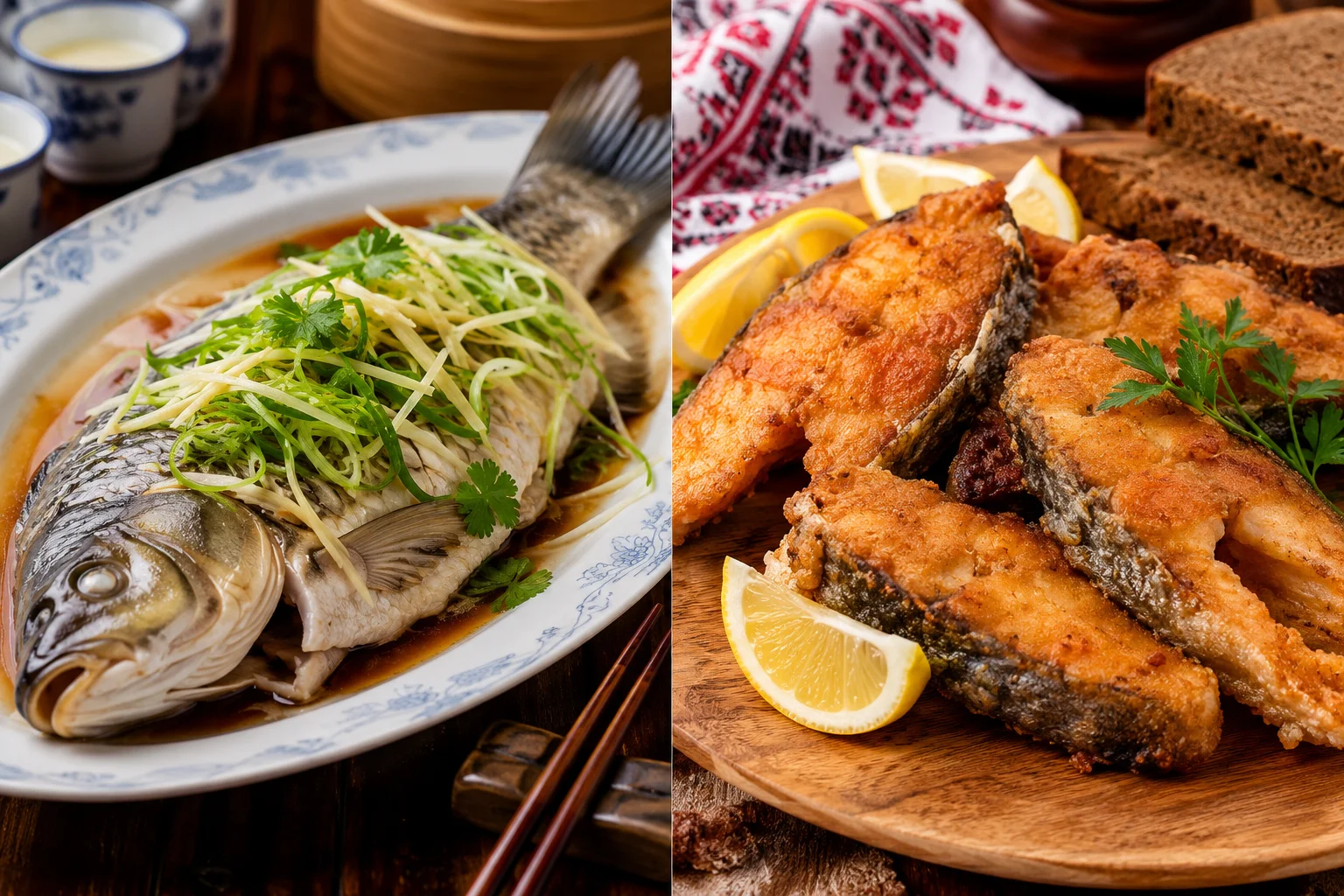
Common carp is one of the world’s most widely eaten freshwater fish — but the carp eaten worldwide is farmed food carp, not ornamental koi raised in backyard ponds.Common carp is a traditional food fish in China (steamed whole for Chinese New Year) and Eastern Europe (fried for Christmas Eve) — but these are farmed food carp, not ornamental pond koi.
Country / region
Attitude toward koi / carp
How carp is eaten
Japan
Koi = living national treasure; never eaten
Food carp (koi no arai) is eaten in some rural areas — but not ornamental Nishikigoi
China
Common carp = major food fish; ornamental koi increasingly prized
Steamed whole carp (a Chinese New Year dish); also fried, braised, in soups
Occasional rural eating of koi; koi soup documented in Malaysia, Penang, Sabah
United States
Koi = ornamental; carp widely considered a “trash fish”
Rarely eaten; Asian carp in Midwest rivers sometimes consumed; no restaurant tradition
UK / Australia
Koi = ornamental; carp not part of food culture
Rarely eaten; carp are invasive species in Australia; not a culinary fish in UK
Middle East / Israel
Common carp = traditional food fish
Gefilte fish (traditional Jewish dish made from carp); fried and baked carp
Is it legal to eat koi fish?
In most countries, yes — it is legal to eat koi fish that you legally own. There is no specific law in the US, UK, Australia, or the Philippines prohibiting the consumption of koi you have purchased and kept. As personal property, you may legally dispose of them as you choose.
However, several important legal caveats apply:
Japan: Nishikigoi are a protected national heritage. While there is no blanket law against eating privately owned koi, commercial sale of ornamental koi as food would be legally and culturally problematic.
Australia: Common carp is a declared invasive pest species. Regulations around carp harvesting vary by state — check local regulations before capturing any carp from waterways. Koi are also classified as noxious fish in some Australian states.
Wild-caught carp: Harvesting carp from public waterways is subject to fishing regulations in every jurisdiction. Permits, size limits, and catch limits may apply. Never eat fish from waterways under pollution advisories.
Food safety regulations: If you were to sell koi meat commercially as food, it would need to meet all applicable food safety regulations and inspections in your jurisdiction — which ornamental pond koi would almost certainly fail.
How to cook koi fish (if you choose to)
If you have made an informed decision to eat koi — perhaps a fish that has died naturally, or a food-grade carp you are treating as koi — here is how to approach it properly:
Preparation steps
Perform depuration first (see next section) — this is not optional if you want edible results
Scale the fish — koi have large, firmly attached scales; use a fish scaler or the back of a knife working tail-to-head
Gut and clean thoroughly — remove all viscera; the intestines contain the highest concentration of parasites and off-flavors
Remove the skin — koi skin contains a high concentration of geosmin; removing it significantly reduces muddy flavor
Remove the dark lateral line muscle — the strip of dark flesh running along the side of the fillet concentrates the strongest flavors; cut it away before cooking
Score the flesh deeply — carp have many small Y-shaped intramuscular bones; scoring the flesh in cross-hatched cuts at 1cm intervals before cooking allows heat to crisp the fine bones so they become edible
Best cooking methods for koi / carp
Method
Effect on flavor
Notes
Deep frying
Best at masking muddy flavor
Score flesh before frying; crispy skin covers off-notes; popular in SE Asia
Heavily seasoned stew / soup
Aromatics mask earthy flavor
Ginger, garlic, lemongrass, strong spices; rice or noodle pairing; traditional in China and SE Asia
Grilling
Moderate — charred notes help
Brush with oil and strong marinade; remove skin; cook over high heat
Steaming (Chinese style)
Minimal masking — flavor clear
Traditional Chinese preparation with ginger, scallion, soy, sesame oil; works best with clean food carp
Baking
Moderate
Use heavy herb and citrus seasoning; lemon juice and dill help neutralize earthiness
Critical: Cook to a minimum internal temperature of 145°F (63°C) throughout to kill parasites and bacteria. Use a meat thermometer in the thickest part of the flesh.
Depuration — how to reduce the muddy taste
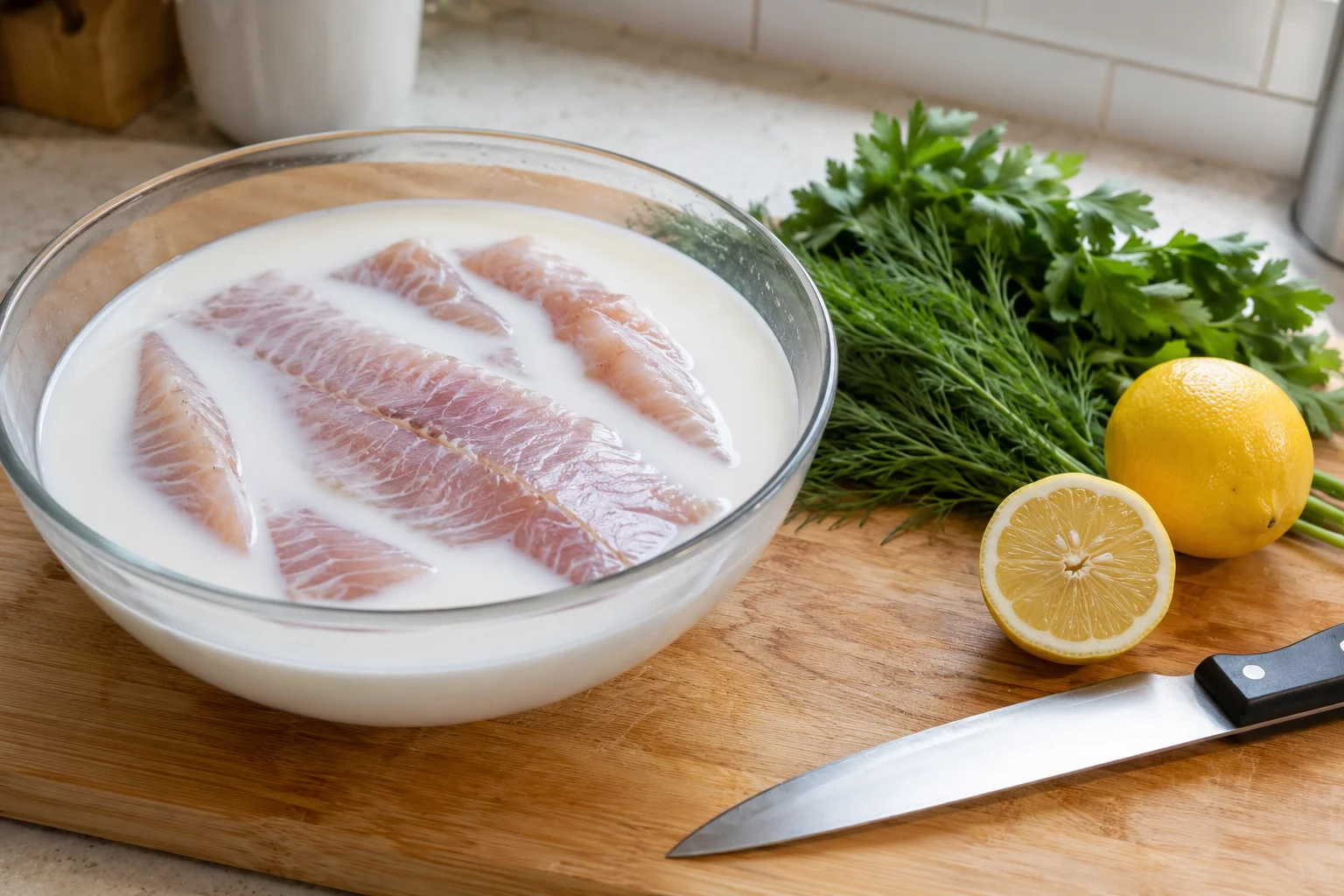
Soaking carp fillets in milk for 4–12 hours is the most effective depuration method — the fat draws out geosmin and off-compounds. Remove the skin and dark lateral line muscle before soaking for best results.
Depuration is the process of purging a fish of off-flavors — particularly geosmin — before cooking. It is a mandatory step in making carp/koi palatable. Commercial food carp farms perform depuration by holding fish in clean, flowing, geosmin-free water for 1–3 weeks before harvest. For home preparation, the equivalent is a soaking process:
Fillet the fish and remove the skin and dark lateral line muscle first
Soak the fillets in one of the following for 4–12 hours in the refrigerator:
Whole milk or buttermilk — most effective; the fat draws out geosmin and other off-compounds
Heavily salted water (brine) — salt draws out moisture and with it some of the off-flavors
Acidulated water (water + white vinegar or lemon juice) — acid helps neutralize some earthy compounds
Rinse thoroughly after soaking and pat dry
Cook immediately — do not re-refrigerate after the soak
Even with thorough depuration, ornamental pond koi will not taste as clean as properly farmed food carp. Depuration reduces the muddy flavor — it rarely eliminates it entirely from fish that have lived in an ornamental pond environment.
Frequently asked questions
Can you eat koi fish?
Yes, koi fish are edible — they are domesticated carp. But ornamental pond koi are a very poor choice: chemical residues from pond treatments, parasite risk, muddy geosmin taste, and a value of $50–$1.8M make them impractical and inappropriate to eat. Food carp raised for consumption is the correct alternative.
What does koi fish taste like?
Koi tastes like common carp — firm white flesh with a mild flavor and a pronounced muddy, earthy aftertaste from geosmin (a compound absorbed from pond algae). The muddy taste is much stronger in ornamental pond koi than in food carp, which are purged in clean water before sale.
Is it safe to eat koi fish?
Not really. Ornamental pond koi contain chemical residues from pond treatments not cleared for food use, carry parasite risk (tapeworms, liver flukes), and may have absorbed water contaminants. If you eat koi, cook to 145°F (63°C) internal temperature to kill parasites.
Is it legal to eat koi fish?
In most countries — including the US, UK, Philippines, and most of Europe — it is legal to eat koi you legally own. In Japan, Nishikigoi are protected national heritage. In Australia, koi are classified as noxious fish in some states. Never eat fish from waterways under pollution advisories.
Do people eat koi fish?
Rarely — ornamental koi are not typically eaten. However, common carp (biologically identical) is a major food fish globally: a Chinese New Year dish in China, a Christmas Eve tradition in Poland and Czech Republic, and occasionally eaten in Malaysia, Thailand, and rural Philippines. In the US and UK, carp is rarely eaten.
What is the difference between koi and food carp?
Same species, completely different raising conditions. Food carp are raised in regulated aquaculture with controlled diets, food-safe treatments only, and pre-harvest purging in clean water to remove the muddy taste. Ornamental koi receive color-enhancing feeds, non-food-safe pond treatments, and are never purged. The result: food carp is safe and reasonably clean-tasting; ornamental pond koi is neither.
How do you cook koi fish?
First perform depuration: soak fillets in milk or brine for 4–12 hours. Remove the skin and dark lateral line flesh. Score the flesh to deal with pin bones. Best methods: deep frying (best at masking muddy flavor), heavily spiced stew or soup, or grilling with strong marinade. Cook to 145°F (63°C) internal temperature throughout.
Founder, Giobel Koi Center · Koi keeper since the 1980s · Labangan, Zamboanga del Sur, Philippines
Giovanni has been keeping and breeding ornamental koi since the 1980s in the Philippines — a country where food carp culture and ornamental koi culture coexist. His 40+ years of hands-on experience with koi health, pond chemistry, and the medicines used in koi keeping informs his practical understanding of why ornamental pond koi should not be eaten.
Passionate about fish keeping since elementary school in the 1980s, Giovanni Carlo has dedicated countless hours to collecting and breeding a diverse array of ornamental freshwater fish. From vibrant guppies and majestic koi to striking bettas and classic goldfish, he continues to explore the fascinating world of aquatics, sharing knowledge and enthusiasm with fellow fish enthusiasts.