
Quick Answer
Koi fish (Cyprinus rubrofuscus) are known for their vivid color patterns (Kohaku, Sanke, Showa, Asagi, and more), impressive size potential (24-36 inches at maturity), and a typical lifespan of 20-35 years with good care. They need roughly 250 gallons per adult koi, stable water quality, and a 3-4 foot pond depth. Koi varieties are organized into recognized classification groups — understanding this system helps make sense of the sheer number of color patterns available.

Understanding the Unique Characteristics of Koi Fish
Koi fish, known scientifically as Cyprinus rubrofuscus, have captivated aquarists and pond enthusiasts worldwide with their striking beauty and tranquil presence. Originating from Japan and representing a cultural symbol of luck, prosperity, and perseverance, koi have transcended their humble beginnings as ordinary carp to become prized ornamental fish. Their vibrant colors, intricate patterns, and serene demeanor make them a popular choice for garden ponds and water features.
In this article, we’ll explore the fascinating characteristics of koi fish, including their color variations, size and growth potential, the classification system that organizes their varieties, and the pond requirements necessary for their care.
Color Variations

The allure of koi fish lies significantly in their diverse color patterns. Each color variation has a specific designation, reflecting the unique markings and shades that define koi aesthetics. The primary colors found in koi include red, white, black, yellow, and blue, each capable of manifesting in various combinations and intensities.
Common patterns include the Kohaku (white with red markings), Taisho Sanshoku/Sanke (white with red and black markings), and Showa Sanshoku (black with red and white markings). The interplay of color and pattern can genuinely influence a koi’s desirability and price, making these features a critical consideration for breeders and hobbyists alike.

Among the many koi color varieties, some have gained immense popularity due to their striking appearances. The Sanke boasts a white body decorated with red and black patches, while the Asagi features a blue-gray body with red markings along the sides. The Shiro Utsuri, characterized by its stark black and white patterns, commands attention for its dramatic contrast.

Other notable color varieties include the Gin Rin (sparkling scales), which can come in various colors, and the Matsuba, which typically has a solid color with a net-like pattern of scales. For the full breakdown of any of these specific varieties, see our 30 Koi Fish Varieties guide.
Understanding the Koi Classification System
With so many color varieties, it genuinely helps to understand how they’re organized. Koi are grouped into recognized classification categories based on shared traits — such as Hikari Muji (solid metallic koi, like Ogon), Hikari Moyo (metallic koi with patterns), Kawarimono (miscellaneous non-metallic varieties that don’t fit other categories, like Chagoi and Soragoi), and Tancho (any variety with a single red spot on the head). Knowing which category a variety belongs to helps make sense of the sheer range of koi available, and it’s also the system used in formal koi show judging.
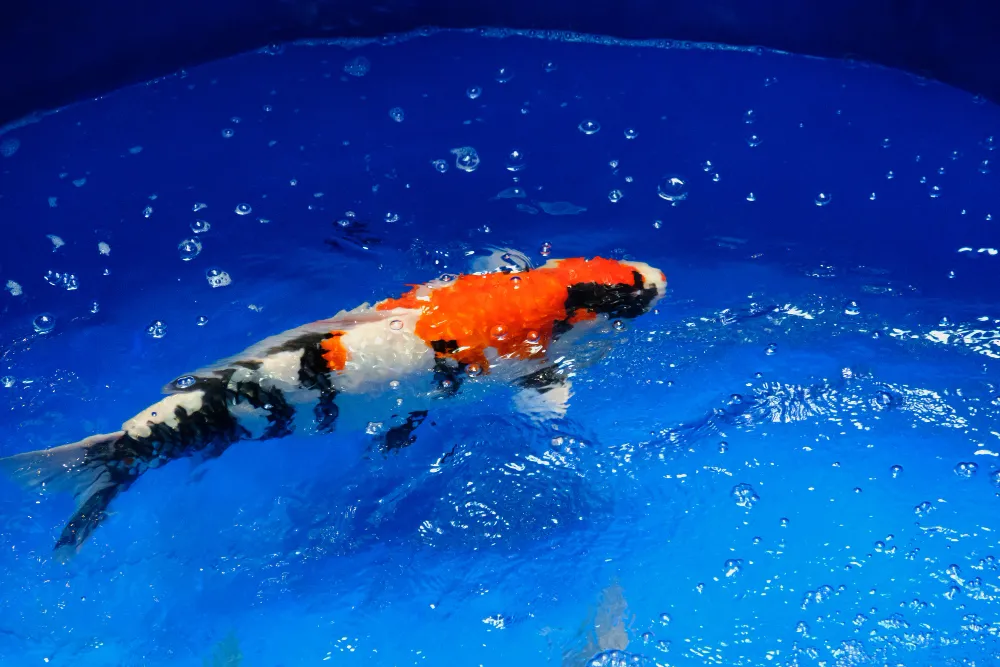
Beyond their visual appeal, the colors of koi fish carry real cultural significance, particularly in Japanese tradition. Certain colors are believed to symbolize good fortune and prosperity — red is often associated with strength and vitality, while white signifies purity and cleanliness. The color of a koi can also change over time as they mature, influenced by diet, water quality, and environmental conditions.
Size and Growth
Koi fish are renowned not only for their beauty but also for their potential size. When maintained in optimal conditions, koi can grow impressively large, with some varieties reaching lengths of up to 36 inches or more. On average, most koi will measure between 24 to 30 inches when fully grown.
Growth rate depends significantly on water temperature, nutrition, and overall pond conditions. Koi are cold-blooded, so warmer water genuinely accelerates growth, while colder temperatures slow development. A balanced diet rich in proteins, vitamins, and minerals is essential for healthy development, and high-quality koi food formulated for growth can meaningfully impact how quickly koi reach full size.
🫧 Pond Bacteria Muck Reducer
Genuinely useful for maintaining the clean, stable water quality that supports healthy koi growth and vibrant coloration.
🛒 Check Price on Amazon →Pond Requirements
Water quality is foundational to koi health. A robust filtration system removes debris and harmful substances, while regular water changes (roughly 10-20% weekly) and beneficial bacteria help maintain a healthy ecosystem.
Koi are social creatures that thrive in groups, so adequate space matters. Plan for roughly 250 gallons per adult koi, with a minimum pond depth of 3-4 feet. Incorporating aquatic plants can also enhance the habitat, providing shade, shelter, and natural water quality support — though koi are known to nibble on and uproot unprotected plants, so proper placement matters. For the full breakdown, see our Plants in a Koi Pond guide.
Conclusion
Koi fish represent a unique blend of natural beauty and cultural significance, making them cherished inhabitants of garden ponds worldwide. Understanding their color variations, the classification system behind them, growth potential, and habitat requirements is essential for any prospective koi owner looking to provide genuinely excellent care.
FAQs
How long do koi fish typically live?
Koi typically live 20-35 years with good care. The most famous claimed exception, a koi named Hanako said to have lived over 200 years, is an exceptional and disputed claim rather than a typical lifespan.
What should I feed my koi fish?
A balanced diet of high-quality koi pellets, supplemented with fresh vegetables, fruits, and occasional treats, adjusted based on season and water temperature.
What are the main koi classification categories?
Koi are organized into groups including Hikari Muji (solid metallic), Hikari Moyo (metallic with patterns), Kawarimono (miscellaneous non-metallic), and Tancho (single red head spot), among others.
What size pond is best for koi?
Plan for roughly 250 gallons per adult koi, with a minimum depth of 3-4 feet.
You may also like

Passionate about fish keeping since elementary school in the 1980s, Giovanni Carlo has dedicated countless hours to collecting and breeding a diverse array of ornamental freshwater fish. From vibrant guppies and majestic koi to striking bettas and classic goldfish, he continues to explore the fascinating world of aquatics, sharing knowledge and enthusiasm with fellow fish enthusiasts.