


Quick Answer
A trapal pond uses heavy-duty tarpaulin as a budget pond liner instead of a purpose-made EPDM or HDPE liner — the go-to option for hobbyist koi keepers and breeders in the Philippines who want a pond without the cost of proper liner material. It won’t last as long as a real pond liner, but with the right setup (buried rather than raised, shaded from direct sun, and folded properly at the edges) it can hold up for years.

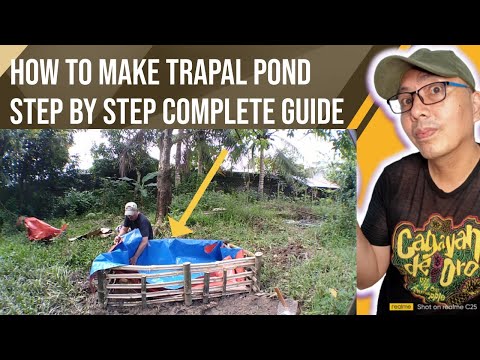
What Is a Trapal Pond?
“Trapal” is the Filipino word for tarpaulin, and a trapal pond is exactly what it sounds like — a pond lined with heavy-duty tarp instead of a purpose-made pond liner. It’s genuinely the favorite option for budget-conscious koi keepers and breeders across the Philippines, since a proper EPDM or HDPE liner can cost several times more. It’s easy to build and, done right, will hold up for years — it just needs more upkeep and won’t match a real liner’s 20-plus-year lifespan.

Choosing the Right Tarpaulin
Not all tarp is equal, and the choice here genuinely determines how long your pond lasts. A few things worth checking before you buy:
- Thickness — tarpaulin used for fish farming typically runs 0.5mm to 1.0mm. Thicker holds up better against punctures and stretching but costs more; for a first pond, don’t go below the lower end of that range.
- UV-resistant / UV-stabilized rating — this matters more than almost anything else. Tarp without UV protection breaks down and turns brittle fast under direct sun exposure; UV-stabilized tarp is worth the extra cost.
- Material — most fish-farming tarpaulin is HDPE (high-density polyethylene) or reinforced PVC, both reasonably safe for fish when sold specifically as pond or fish-farming liner rather than generic construction tarp.
Pro Tip: Making Your Trapal Pond Last Longer
The single biggest factor in how long a trapal pond lasts is UV exposure — this checks out against how real pond liner materials are engineered too. A few practical steps that make a real difference:
- Avoid direct sunlight on the exposed tarp. Install a roof or cover using clear plastic sheeting so sunlight can still reach the pond (your koi need it) without hitting the tarp itself at full intensity.
- Dig it into the ground rather than building a raised frame. A buried trapal pond is shielded from sun exposure and temperature swings on most sides, both of which speed up tarp breakdown — this is worth prioritizing over a raised design if you have the option.
- Keep the water level at the very top of the pond. Water itself blocks UV rays, so the section of tarp above the waterline — the part most exposed to sun and air — is where deterioration starts first. Keeping the pond full minimizes how much tarp is ever exposed.

How to Build a Trapal Pond, Step by Step
- Decide on frame vs. dug hole. Bamboo or wood frames work, but digging the pond into the ground is the better long-term choice for tarp lifespan, for the sun/temperature reasons above.
- Check and clear the ground. Before laying the tarp, inspect for sharp stones, nails, or exposed tree roots that could puncture it. Add a protective layer — flattened cardboard or newspaper works — between the ground and the tarp.
- Lay out and fold the tarpaulin. Fit the tarp into the frame or hole and fold each edge carefully so there’s no stretching or loose hanging material — a sloppy fold is one of the most common causes of early tarp failure.

- Secure the edges. Use U-nails if you’re working with a bamboo or wood frame, or weigh down each edge with stones if you’ve dug the pond directly into the ground.
- Fill and install filtration. Add water, then set up your filtration system — an airlift filter is a good match for a trapal pond specifically, since it’s cheap to run, carries no electrical shock risk in the water, and doesn’t clog the way a submersible pump can.
- Cycle before adding fish. Run the filtration system for at least a week before introducing any koi, to let it establish before your fish depend on it.
Here’s a demo of how to fold the edges cleanly so there’s nothing loose or stretching along the sides:

And here’s a simple demonstration of how an airlift filtration system works — a good option if you want to see one running before committing to build your own:

Frequently Asked Questions
How long does a trapal pond last?
It varies a lot depending on tarp quality and how well it’s protected from sun exposure, but a well-built, properly shaded trapal pond can realistically last several years — nowhere near a purpose-made EPDM or HDPE liner’s 20-plus-year lifespan, but perfectly workable as a budget option in the meantime.
What thickness of tarpaulin is best for a fish pond?
Fish-farming tarpaulin typically runs 0.5mm to 1.0mm thick. Thicker tarp resists punctures and stretching better, at a higher cost — for a first pond, aim for the higher end of that range rather than the cheapest option available.
Why does my trapal pond deteriorate so fast?
UV exposure is almost always the main culprit. Tarp without UV protection breaks down and turns brittle quickly under direct sunlight — shading the pond, burying it rather than raising it, and keeping the water level high all reduce how much tarp is actually exposed to sun.
What filtration system works best for a trapal pond?
An airlift filtration system is a common choice — it’s inexpensive to run, carries no electrical shock risk in the water, and doesn’t clog the way a submersible pump can, which pairs well with a budget setup like a trapal pond.
You may also like


Passionate about fish keeping since elementary school in the 1980s, Giovanni Carlo has dedicated countless hours to collecting and breeding a diverse array of ornamental freshwater fish. From vibrant guppies and majestic koi to striking bettas and classic goldfish, he continues to explore the fascinating world of aquatics, sharing knowledge and enthusiasm with fellow fish enthusiasts.

Passionate about fish keeping since elementary school in the 1980s, Giovanni Carlo has dedicated countless hours to collecting and breeding a diverse array of ornamental freshwater fish. From vibrant guppies and majestic koi to striking bettas and classic goldfish, he continues to explore the fascinating world of aquatics, sharing knowledge and enthusiasm with fellow fish enthusiasts.