Quick Answer
Winning at a koi show comes down to two things: raising a koi that meets judging standards for body conformation, skin quality, color, and pattern, and following a disciplined prep timeline — starting a color-enhancing diet 4 months out, stopping all medications 2 months out, and stopping feeding entirely 3-4 days before the show to keep the fish calm and clean for transport.
Koi competitions are cultural celebrations as much as contests — a chance for enthusiasts, breeders, and hobbyists to showcase their finest fish and connect with the wider community. But plenty of genuinely excellent koi lose points simply because the exhibitor didn’t follow a clear prep timeline. This guide covers what judges actually look for, exactly when to adjust feeding and water quality before a show, how to handle your koi without injuring it, and what to bring on the day.
Table of Contents
- What Are Koi Competitions?
- Koi Show Prep Timeline at a Glance
- What Do Judges Look For at a Koi Show?
- How Do You Select a Koi for Competition?
- What Should You Feed Koi Before a Show?
- How Do You Get Water Quality Show-Ready?
- Grooming and Health Checks Before a Show
- How Do You Transport Koi Safely to a Show?
- How Do You Handle Koi During Judging Without Injuring Them?
- What Should You Bring to a Koi Show?
- What Should You Do After the Show?
- FAQs
What Are Koi Competitions?
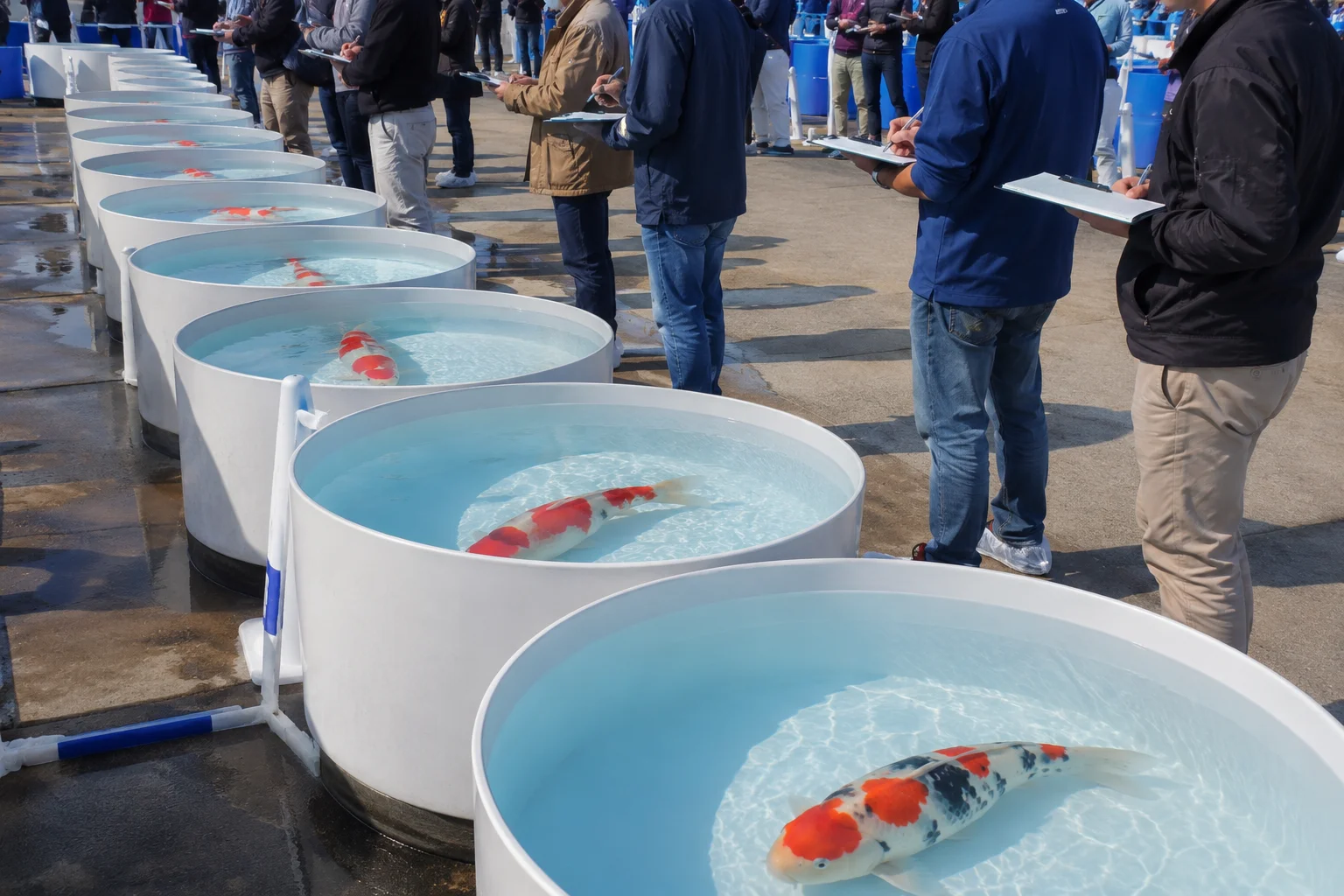
Koi competitions, or koi shows, are events where enthusiasts, breeders, and hobbyists present their finest koi fish for recognition and awards. Judges evaluate entries on body conformation, skin quality, color, and pattern. The tradition began in Japan over 200 years ago and has since grown into a global hobby, with regional and national shows, dealer shows, shows focused on specific varieties like Kohaku or Showa, and a growing number of virtual shows that let owners compete using photos and video.
Koi Show Prep Timeline at a Glance
| Timing | What to Do |
|---|---|
| 4 months before | Start a high-protein diet; introduce spirulina or a color-enhancing food |
| 2 months before | Stop all medications and treatments; increase water changes and filter maintenance; finalize your entry list |
| 2-3 weeks before | Reduce feeding frequency by roughly half; stop color enhancers |
| 3-4 days before | Stop feeding entirely to reduce waste and ammonia risk during transport |
| Day before | Begin gradual temperature acclimation if transport water will differ from pond temperature |
| Show day | Net carefully, transport in stable-temperature water, bring paperwork and equipment |
What Do Judges Look For at a Koi Show?
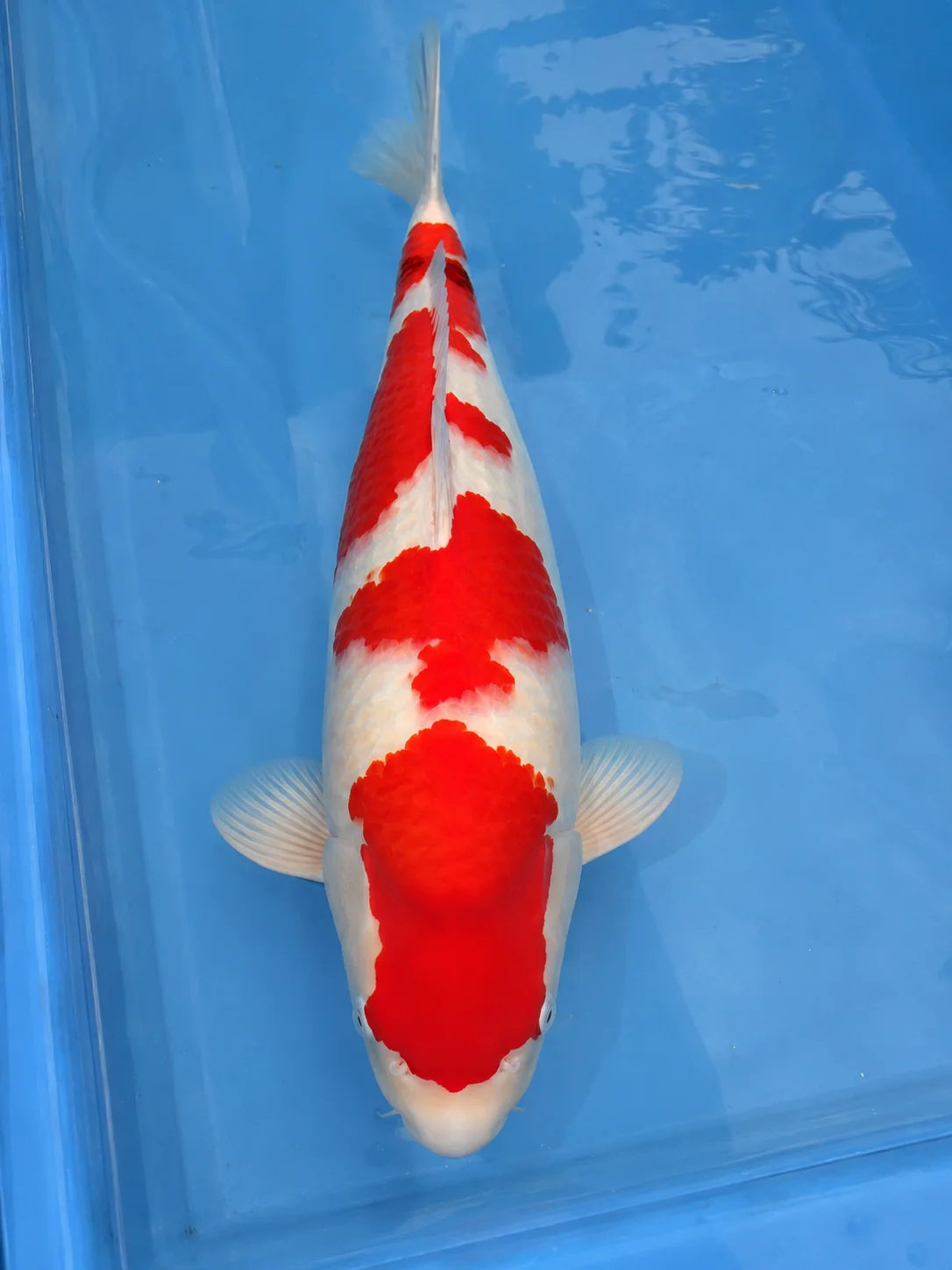
Understanding judging criteria is the foundation of any prep strategy. Judges assess five core areas:
| Criterion | What Judges Look For |
|---|---|
| Body Conformation | Symmetry, proportion, a strong tapered shape with muscular development |
| Skin Quality | Radiant, translucent skin reflecting good nutrition and care — no dullness or blemishes |
| Color | Deep, uniform pigmentation with no fading or inconsistency |
| Pattern | Balance and symmetry appropriate to the variety being judged |
| Overall Impression | Confidence and grace in movement, general vitality |
How Do You Select a Koi for Competition?
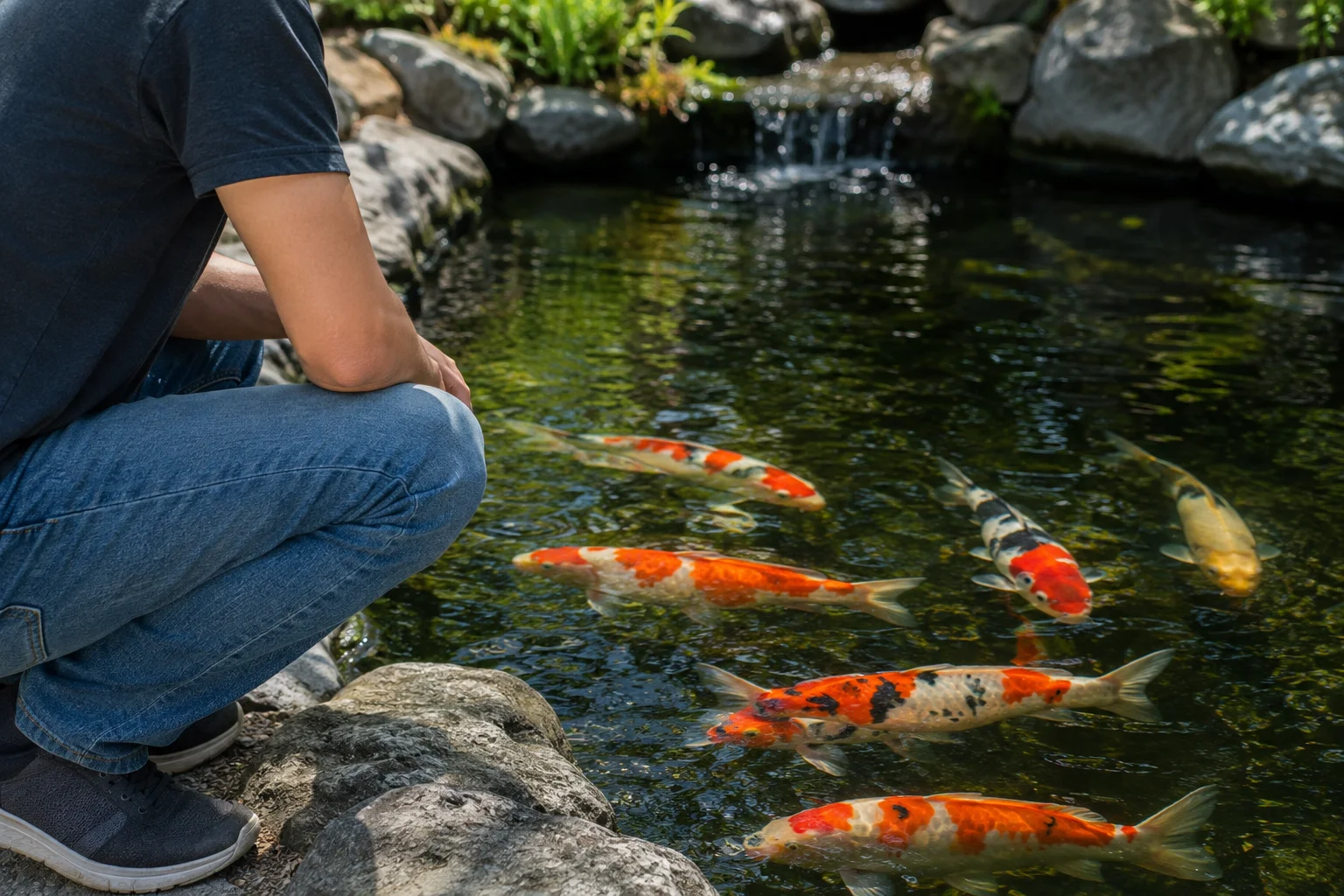
Prioritize strong lineage, since genetics set the ceiling for a koi’s potential. Younger koi in the 1-3 year range are often favored for the growth and improvement potential judges look to reward. Before deciding on your final entries, run through this checklist:
- Examine the body for deformities or irregularities
- Assess pattern and color distribution for clarity and balance
- Watch the fish’s swimming style and behavior as a health indicator
What Should You Feed Koi Before a Show?
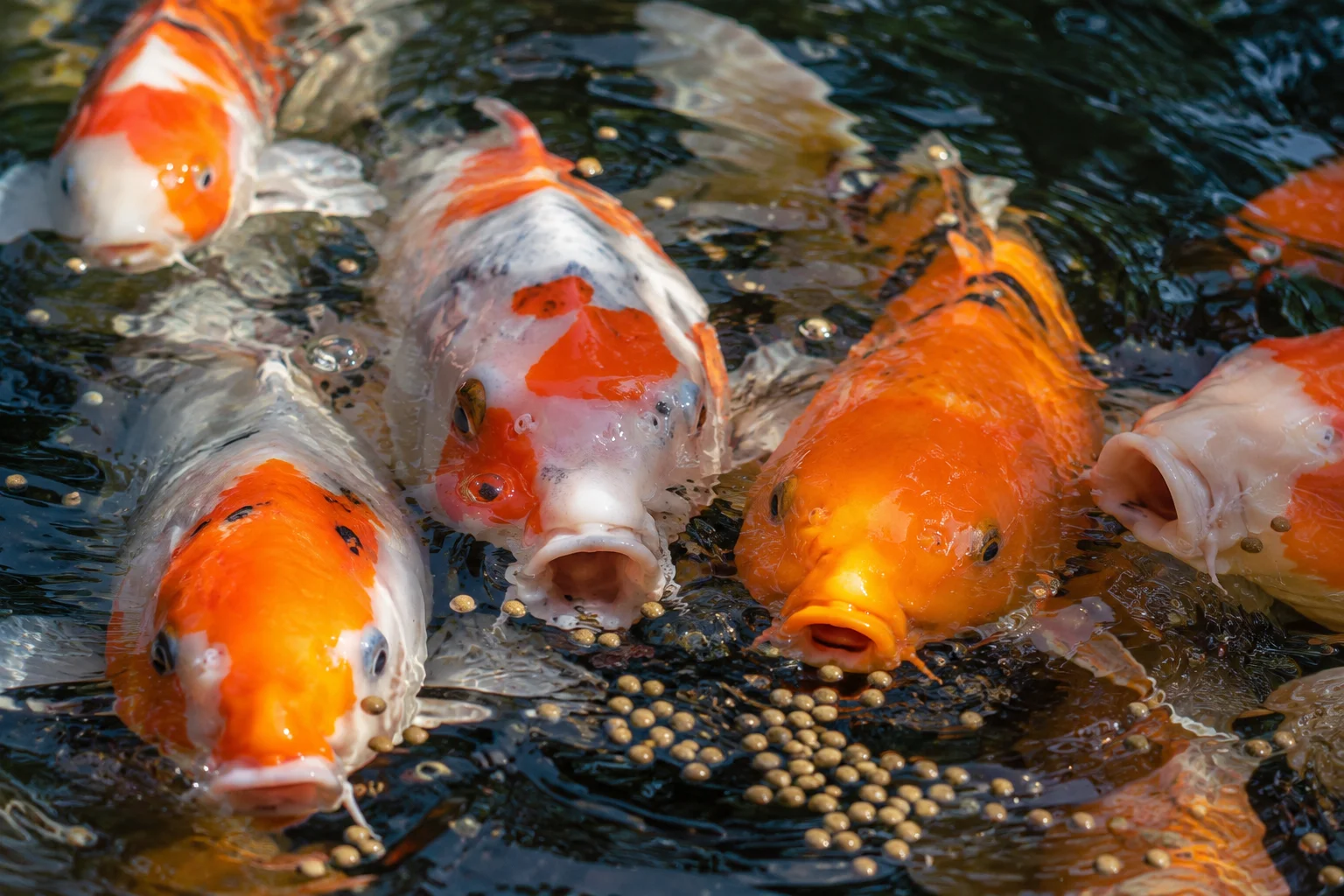
Preparatory feeding typically starts around 4 months before the show date. Switch to a high-protein diet during this window to support growth and body conformation, and introduce a spirulina-based food to intensify red and black pigmentation.
Around 2-3 weeks out, cut feeding frequency roughly in half and stop any color-enhancing additives — sudden dietary changes too close to the show can dull color rather than sharpen it. Stop feeding entirely 3-4 days before the show. This keeps waste output low during transport and benching, when ammonia can spike fast in a small container.
Spirulina Color-Enhancing Koi Food
A spirulina-based food is the standard choice among exhibitors for intensifying hi (red) and sumi (black) pigmentation ahead of a show, without the harsher additives found in some color-boosting products.
Check Options on Amazon →How Do You Get Water Quality Show-Ready?
Water quality matters more in the two months before a show than at almost any other point in the koi-keeping calendar. Increase water change frequency and stay on top of filter maintenance, since a koi’s skin and color quality directly reflect the water it’s lived in. Test regularly for pH, ammonia, nitrite, and nitrate, and keep water temperature stable.
Grooming and Health Checks Before a Show
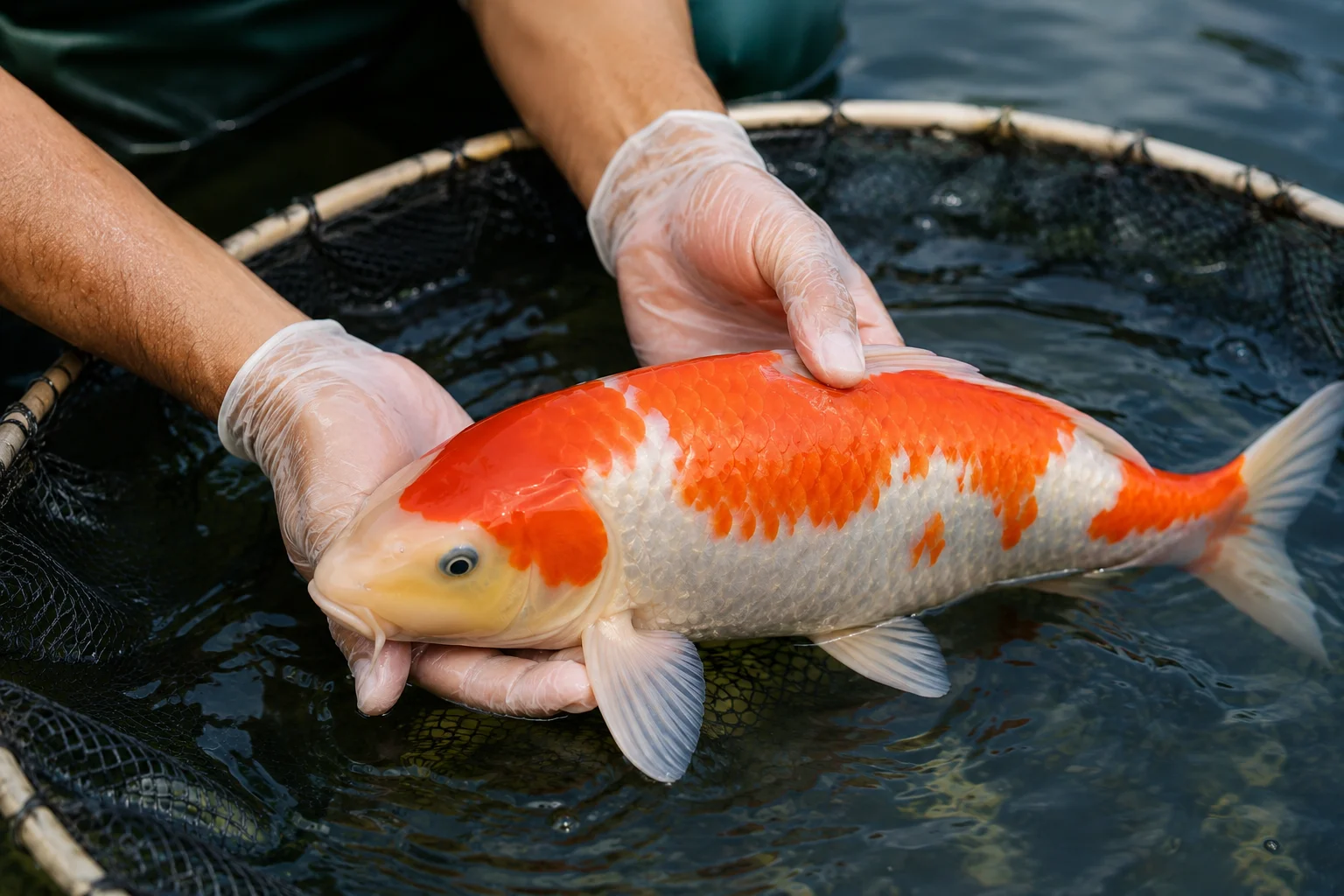
In the final stretch before the show, inspect fins, scales, and skin closely for damage, and gently clean off excess mucus to help color show through clearly. Trim overgrown fins carefully only if needed. If you haven’t already, quarantine any recently acquired koi well ahead of the show to rule out disease or parasites — our quarantine tank setup guide covers exactly what equipment that takes.
How Do You Transport Koi Safely to a Show?
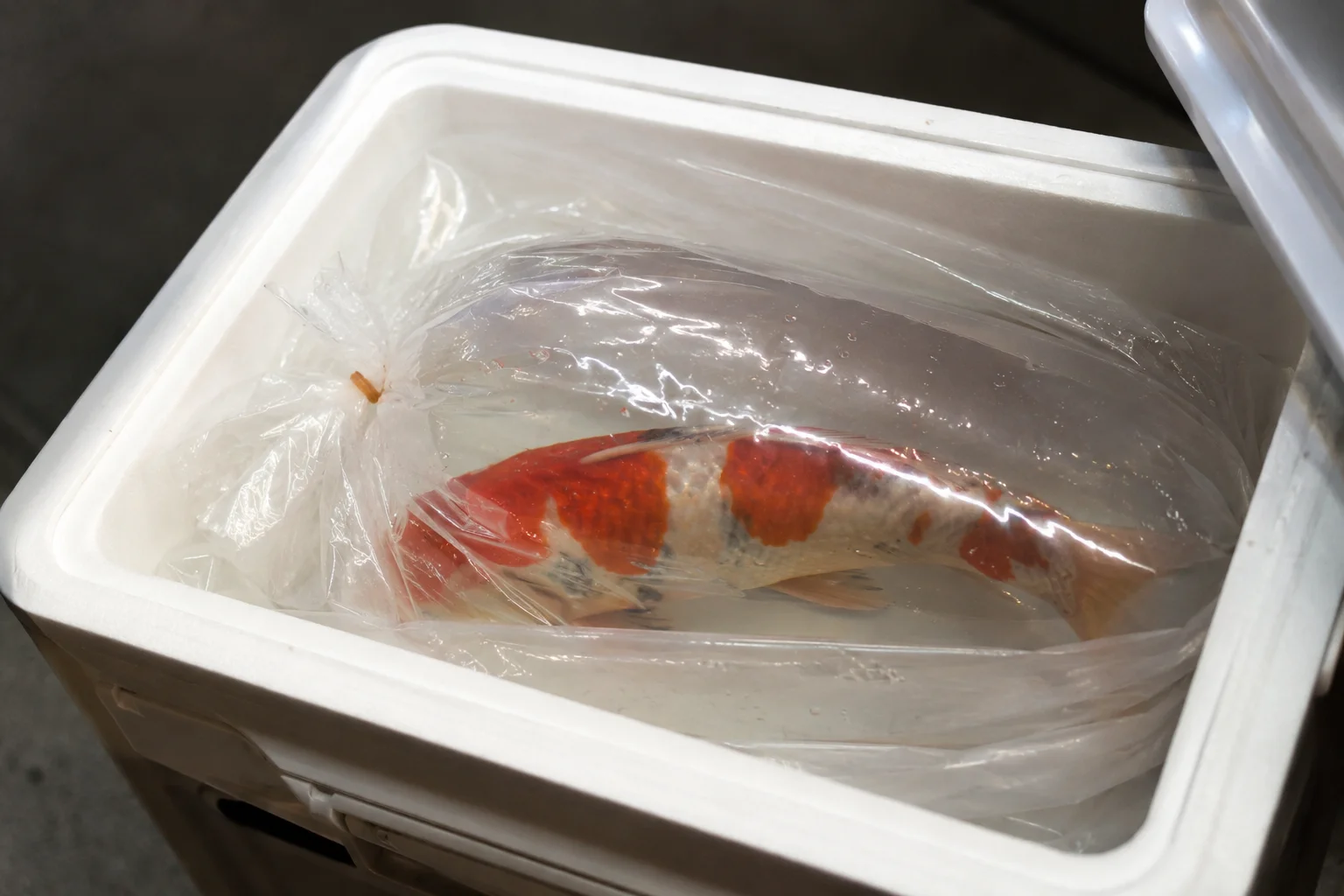
Before transport day, gradually acclimate your koi to the water temperature it will travel in — adjust by just a degree or two per day rather than shocking the fish with a sudden shift right before the trip. Use sturdy, double-bagged transport bags filled roughly one-third with water and two-thirds with oxygen. An insulated container with cool or heat packs as needed keeps temperature stable throughout the drive, and covering bags with a towel limits visual stimuli that can otherwise stress the fish further. Give each koi ample space — don’t overcrowd a bag to save space.
Insulated Fish Transport Container
A dedicated insulated container makes it far easier to hold a consistent temperature than an open bucket or tub, especially on longer drives or in hot climates.
Check Options on Amazon →How Do You Handle Koi During Judging Without Injuring Them?
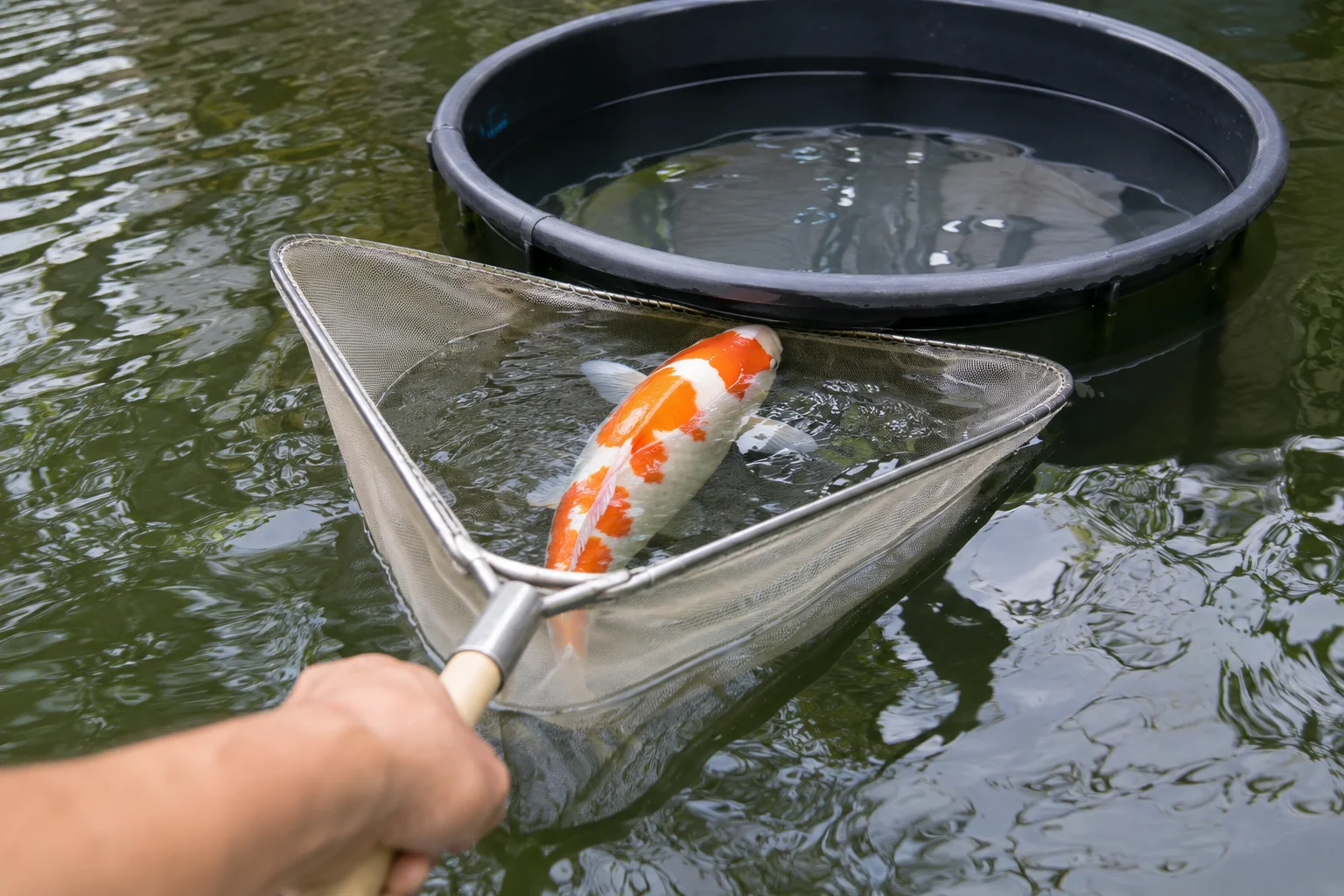
Rough handling is one of the most common ways a genuinely strong show koi loses points — a scraped scale or stressed, faded color right before judging can undo months of conditioning. Use a proper koi net: shallow, with smooth, non-abrasive netting, sized as large as the fish comfortably allows.
- Approach from the front, sliding the net under the koi’s head rather than chasing from behind.
- Guide, don’t scoop — ease the fish into a floating tub or bowl rather than lifting it directly.
- Never grab for an escaping fish. If a koi darts or jumps, let it go and start the approach again slowly.
- Work with a second person when possible — one controls the net, the other steadies the floating tub or bowl.
When engaging with judges, be ready to discuss your koi’s lineage, care regimen, and standout features confidently, and stay attentive without being intrusive to the judging process.
What Should You Bring to a Koi Show?
Arrive on time and be ready with your entry fee and registration paperwork. Most shows require a recent photograph of each fish you’re entering, so have that ready ahead of time rather than scrambling the morning of.
- Entry fee and registration paperwork
- A recent, clear photo of each fish being entered
- Your own smooth-netting koi net
- Bowls or a small tub for handling and photography stations
- A cooler or insulated container for the return trip home
At the show tank itself, choose a clean, appropriately sized and filtered tank, and re-test water parameters upon arrival to make sure pH and ammonia are within safe range after transport.
What Should You Do After the Show?
The show doesn’t end when judging does. Reflect on the judges’ feedback and compare your entry against the fish that placed above it — this is often the fastest way to understand what your next conditioning cycle should focus on. Join koi clubs and forums for access to other exhibitors’ experience and honest feedback that’s harder to get otherwise. If you show regularly, keep a simple record of each fish’s results over time; tracking size, condition, and placement across multiple shows makes it much easier to see whether your prep routine is actually working.
Frequently Asked Questions
How do I choose the best koi for competition?
Selecting the right koi involves examining its genetic lineage, body conformation, color vibrancy, and pattern symmetry. Younger koi with strong potential for growth and improvement are ideal. Ensure the koi is healthy, active, and free from blemishes or deformities.
What are the most common koi varieties featured in competitions?
Popular varieties include Kohaku (red and white), Sanke (white with red and black), Showa (black with red and white), Asagi, and Shusui. Each variety has unique judging criteria based on its colors, patterns, and overall appearance.
How do I prepare my koi for transportation to a show?
Use durable plastic bags filled with roughly one-third water and two-thirds oxygen. Double-bag the koi to prevent leaks, and maintain a stable temperature using insulated containers and cool or heat packs. Minimize stress by handling the koi gently and keeping bags in a darkened environment during transit.
What are the key factors judges focus on during koi shows?
Judges evaluate body conformation, skin quality, color vibrancy, pattern balance, and overall impression — looking for symmetry, health, and how well the fish meets the standards of its variety.
How far in advance should I start preparing my koi for a show?
Start around 4 months out with a high-protein, color-enhancing diet. The most intensive prep — water quality, feeding cutoffs, and handling — concentrates in the final 2 months before the show.
Can I medicate my koi close to a show?
No — avoid all medications and treatments within two months of the show date. Medicated water can dull color, and treatment residue may affect the fish’s appearance or eligibility.
How can I improve my chances of winning at a koi show?
Provide consistent, excellent care year-round, follow a disciplined feeding and water quality timeline in the months before a show, groom carefully, and handle your koi gently during transport and judging. Study past winners and use judges’ feedback to refine your approach for the next show.
Koi keeper and breeder since the 1980s, running a backyard koi and aquaculture operation in Labangan, Zamboanga del Sur. Giovanni writes hands-on care guides based on decades of experience raising koi, goldfish, and other ornamental fish.

Passionate about fish keeping since elementary school in the 1980s, Giovanni Carlo has dedicated countless hours to collecting and breeding a diverse array of ornamental freshwater fish. From vibrant guppies and majestic koi to striking bettas and classic goldfish, he continues to explore the fascinating world of aquatics, sharing knowledge and enthusiasm with fellow fish enthusiasts.