Quick Answer
Koi fry growth and survival depend heavily on four environmental factors: water temperature (65-75°F), pH (7.0-8.0), dissolved oxygen (above 6 mg/L), and a 12-hour light/dark cycle. The difference proper management makes is dramatic and measurable: fry left in a community pond typically see only 15-30% survival, while fry raised in a separate, well-managed rearing tank can achieve 70-90%+ survival — a gap driven almost entirely by reduced predation, competition, and better water control.
Introduction
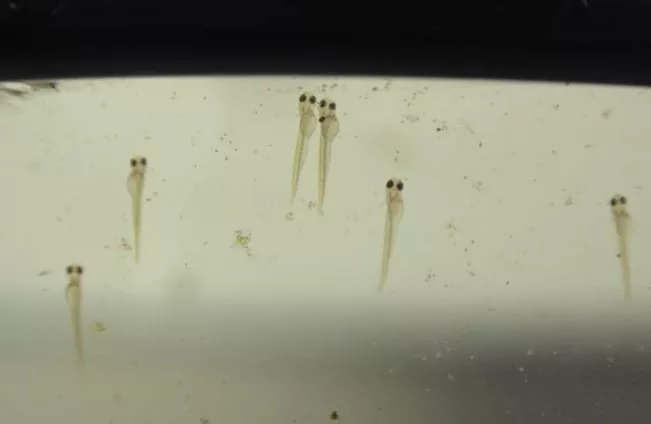
The growth and development of koi fry (young koi fish) is a subject of considerable interest among aquarists and aquaculture enthusiasts. These vibrant fish, prized for their beauty and grace, undergo significant changes from fry to adulthood. Understanding the factors that influence their growth — such as environmental conditions, feeding regimens, and survival rates — can greatly enhance the success of raising koi. This article delves into these aspects, exploring how water temperature, pH levels, oxygen availability, light exposure, and appropriate feeding strategies impact the overall health and development of koi fry.
Environmental Factors
Water Temperature
Water temperature is one of the most critical environmental factors influencing the growth of koi fry. Koi thrive in a temperature range of 65°F to 75°F (18°C to 24°C). Within this range, koi fry exhibit accelerated growth rates and better overall health. Higher temperatures can increase metabolism, leading to faster growth, while temperatures below this range can slow down their development and increase susceptibility to diseases.
Sudden shifts in water temperature can be detrimental to koi fry. Maintaining a stable temperature is paramount — fluctuations can lead to stress, weakened immune responses, and even mortality. Aquarists should employ heaters and thermometers to monitor and regulate water temperature continuously.
🌡️ Submersible Aquarium Heater with Thermostat
Keeps your fry rearing tank within the stable 65-75°F range described above — temperature stability matters more than the exact number.
🛒 Check Price on Amazon →pH Levels
The pH level of the water is another essential factor in the successful growth of koi fry. Koi prefer a slightly alkaline pH level, ideally between 7.0 and 8.0. Values below this range can lead to stress and hinder growth, while overly alkaline conditions can result in health issues. Regular testing of pH levels is necessary to ensure they remain within the optimal range for koi development.
Maintaining appropriate pH levels not only supports the health of the fry but also affects the overall ecosystem of the pond or tank. Implementing buffer systems and using appropriate water conditioners can help stabilize pH levels effectively.
Oxygen Levels
Oxygen levels in the water play a crucial role in the respiration and growth of koi fry. Adequate dissolved oxygen is necessary for their metabolic processes, and a lack of oxygen can lead to stunted growth or even death. Ideally, oxygen levels should be maintained above 6 mg/L for optimal health.
To ensure sufficient oxygen levels, aquarists can use aerators, water movement, and filtration systems. It’s also important to avoid overcrowding the tank or pond, as this directly reduces oxygen availability per fish.
🧪 API Pond Master Test Kit
Tests pH, ammonia, nitrite, and nitrate — the core parameters discussed throughout this guide, in one kit.
🛒 Check Price on Amazon →Light Exposure
Light exposure is often overlooked but plays a significant role in the growth and development of koi fry. Proper lighting not only influences their growth patterns but also affects their behavior and feeding habits. Koi require a cycle of light and dark to mimic natural conditions, which helps regulate their biological rhythms.
Generally, about 12 hours of light followed by 12 hours of darkness is optimal for koi fry. This cycle helps stimulate feeding and promotes healthy growth. Using natural sunlight, when possible, can enhance the fry’s color development, though care should be taken to avoid excessive direct sunlight, which can increase water temperatures and lead to algal blooms.
Feeding Regimens
Types of Feed
The type of feed provided to koi fry significantly influences their growth and development. High-quality feed formulated specifically for fry is essential, as it contains the necessary proteins, fats, vitamins, and minerals that promote healthy growth. Common types include powdered pellets, live food such as daphnia and brine shrimp, and frozen foods.
Incorporating live food sources can stimulate natural hunting instincts and improve fry vitality. However, it’s crucial to ensure any live food provided is clean and free from contaminants to prevent disease transmission.
Feeding Frequency
Young koi require more frequent feedings compared to adult koi due to their high metabolism and rapid growth rates. Generally, koi fry should be fed small amounts four to six times a day. This helps ensure they receive adequate nutrition without overloading their digestive systems.
Gradually transitioning to fewer feedings as they grow helps adapt their metabolism to adult feeding schedules. Monitoring their appetite and adjusting feeding routines accordingly is essential for promoting optimal growth and health.
Impact of Nutritional Quality
The nutritional quality of the feed plays a critical role in the overall health and growth of koi fry. High-quality feed rich in essential nutrients supports optimal growth rates and strengthens the immune system, allowing fry to withstand diseases. Conversely, poor-quality feed lacking essential nutrients can lead to stunted growth and increased vulnerability to illness.
Survival Rates
Impact of Environmental Conditions
The environmental conditions discussed previously — water temperature, pH levels, oxygen availability, and light exposure — have a profound impact on the survival rates of koi fry, and the real numbers behind this are worth knowing specifically. Studies on koi reproduction report hatching rates typically in the 60-77% range, with roughly 60% of fertilized eggs surviving to hatching in well-managed conditions.
The bigger gap, though, is what happens after hatching. Koi fry left in a community pond setting with adult fish and natural predators typically see only 15-30% survival to the juvenile stage, driven mainly by predation (including from adult koi themselves) and competition for food. Fry raised in a dedicated, separate rearing tank — isolated from predators, with controlled water quality and consistent feeding — can achieve 70-90%+ survival, a genuinely dramatic difference that makes a separate rearing setup one of the single highest-impact decisions a breeder can make.
Comparison of Feeding Strategies
Different feeding strategies can lead to varying survival rates among koi fry. Research shows that fry fed multiple small meals throughout the day tend to exhibit better growth rates compared to those provided with larger, less frequent meals.
Competition for food also affects survival rates. In overcrowded conditions, a competitive feeding dynamic may leave some fry with insufficient nutrition, hindering their growth and survival. Balancing feeding strategy with appropriate stocking density is crucial for maximizing survival.
Long-term Growth Outcomes
The long-term growth outcomes of koi fry are heavily influenced by their early environmental conditions and feeding regimens. Fry raised in stable conditions with high-quality nutrition are more likely to develop into healthy adult koi. In contrast, fry that experience environmental fluctuations or subpar feeding may not reach their full growth potential.
The early experiences of koi fry can shape their behavior as adults too. Koi raised in a stress-free, well-monitored environment tend to exhibit more vibrant colors and better social behavior. The investment in proper care during the fry stage genuinely pays dividends in the form of robust, beautiful adult koi.
Conclusion
The growth and development of koi fry are influenced by a multitude of factors, including environmental conditions, feeding regimens, and overall care. Water temperature, pH levels, oxygen availability, and light exposure all play vital roles in ensuring healthy growth and high survival rates — and as the numbers show, the choice between a community pond and a dedicated rearing tank alone can mean the difference between 20% and 80% survival. By understanding and managing these factors, aquarists can foster a thriving environment for koi fry, leading to the successful raising of these beautiful fish. For the practical, step-by-step process of actually setting this up, see our Raising Koi Fry guide.
FAQs
What is the ideal water temperature for koi fry?
The ideal water temperature for koi fry is between 65°F and 75°F (18°C to 24°C). Consistent temperatures within this range promote healthy growth and reduce disease susceptibility.
Why is oxygen important for koi fry?
Adequate dissolved oxygen is essential for the respiration and metabolism of koi fry. Oxygen levels should be maintained above 6 mg/L for optimal health.
What percentage of koi fry actually survive?
It varies dramatically based on setup. Fry in a community pond with adult fish typically see only 15-30% survival, while fry raised in a dedicated, well-managed rearing tank can reach 70-90%+ survival.
How often should koi fry be fed?
Four to six small feedings per day, gradually reducing frequency as they grow and transition toward adult feeding schedules.
You may also like


Passionate about fish keeping since elementary school in the 1980s, Giovanni Carlo has dedicated countless hours to collecting and breeding a diverse array of ornamental freshwater fish. From vibrant guppies and majestic koi to striking bettas and classic goldfish, he continues to explore the fascinating world of aquatics, sharing knowledge and enthusiasm with fellow fish enthusiasts.