Quick Answer
EPDM rubber is the best koi pond liner material — fish-safe, UV-resistant, and flexible enough to last 20-30 years. Look for 45 mil thickness specifically for koi ponds; thinner 20 mil liners (common in budget LDPE/HDPE options) are more vulnerable to punctures from koi’s sharp fins, rocks, and general pond activity over time. Size your liner by adding twice the pond’s depth to its length and width, plus extra for overlap.
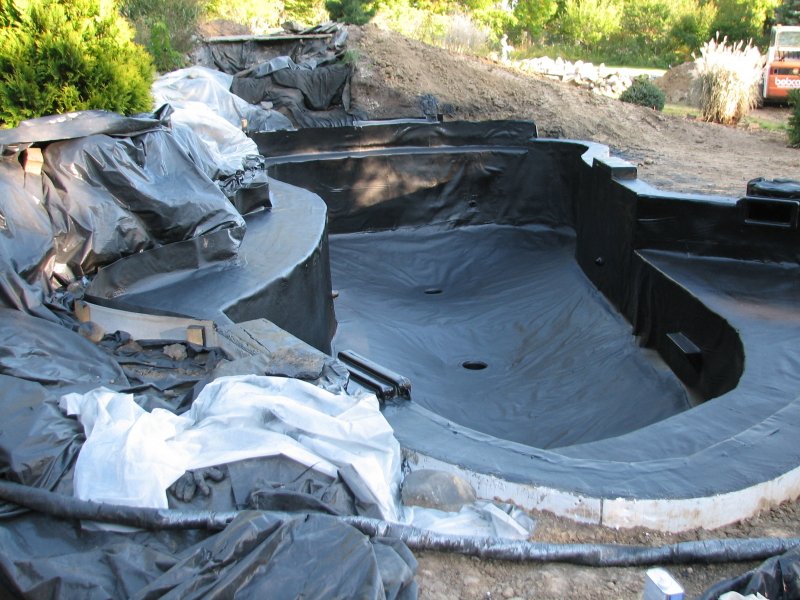
When it comes to crafting a perfect koi pond, every detail counts — from the placement of stones to the type of water plants you choose. But the true hero of your pond, the unsung protector of your aquatic paradise, is the koi pond liner. Let’s dive into why koi pond liners are essential, how to choose the best one, and what considerations can make or break your koi-keeping experience.
What Is a Koi Pond Liner?
A koi pond liner is the foundation of your pond, designed to create a watertight barrier that keeps water from seeping into the ground. Think of it as your pond’s protective shield, ensuring that your precious koi fish have a stable, secure environment to thrive.
Without a liner, your pond could lose water rapidly, become unstable, or even harm your koi due to exposure to harmful soil elements.
Types of Koi Pond Liners
When it comes to selecting the right liner, there are several options to consider:
1. Flexible Pond Liners
Flexible liners are the most popular choice for koi ponds due to their versatility. They can be shaped to fit almost any pond design, whether you’re going for a natural look or a modern geometric style.
Common materials for flexible liners include:
- EPDM (Ethylene Propylene Diene Monomer): Durable, UV-resistant, and fish-safe. It’s a top choice for koi ponds, typically rated 45 mil for genuine puncture resistance.
- PVC (Polyvinyl Chloride): Budget-friendly but less durable than EPDM.
- HDPE/LDPE (High/Low-Density Polyethylene): Lightweight and affordable, but typically sold at a thinner 20 mil rating — a reasonable choice for smaller, decorative ponds, but worth upgrading to EPDM for a genuine koi pond where fish size and activity level are higher.
2. Preformed Pond Liners
Made from rigid materials like plastic or fiberglass, these liners come in pre-molded shapes. They’re perfect for smaller ponds or beginners who want an easy setup. However, they’re less customizable than flexible liners.
3. Concrete Liners
For those seeking a permanent solution, concrete can be used as a liner. While incredibly durable, concrete ponds are labor-intensive to construct and often require a sealant to ensure they are fish-safe.
Mil Thickness: Why It Matters More for Koi Specifically
Not all pond liners are built for the same job. A 20 mil liner works fine for a small decorative pond, but koi are genuinely harder on a liner than most ornamental fish — they’re larger, more active, and their fins can snag against a thin liner over time. 45 mil EPDM is the professional standard specifically for koi ponds, since it offers meaningfully more puncture resistance and typically carries a 20-30 year lifespan versus a thinner liner’s 5-10 years.
The Firestone PondGard 45 Mil EPDM Pond Liner is a trusted, professional-grade option — fish-safe, UV and ozone resistant, with a genuine track record in real koi pond installations.
How to Choose the Best Koi Pond Liner
Selecting the right koi pond liner involves more than just picking the material. Consider the following factors:
1. Pond Size and Depth
Your liner should accommodate the full size and depth of your pond, plus extra material for edging. If you haven’t confirmed your pond’s exact dimensions yet, use our Pond Volume Calculator to get accurate numbers before ordering a liner sized to fit.
2. Durability
Opt for a liner that can withstand weather fluctuations, UV exposure, and potential punctures. EPDM liners are a solid choice for long-term durability.
3. Fish Safety
Make sure the liner is free of harmful chemicals or additives that could harm your koi. Look for liners labeled as “fish-safe.”
4. Ease of Installation
Some liners, like preformed or HDPE options, are easier to install, while flexible liners may require more effort but offer greater customization.

For smaller or more budget-conscious builds, the 10×13 ft 20 Mil LDPE Pond Liner is a workable, affordable option — just keep the durability trade-off above in mind for a genuine koi pond versus a decorative water feature.
Installing a Koi Pond Liner: Step-by-Step
- Prepare the Pond Area — excavate your pond to the desired shape and depth. Remove sharp rocks, roots, and debris that could puncture the liner.
- Add a Protective Underlayment — lay down a pond underlayment to cushion the liner and protect it from damage.
- Position the Liner — gently unfold and position the liner over the pond area. Leave extra material around the edges for adjustments.
- Fill the Pond with Water — slowly fill the pond with water, adjusting the liner as needed to ensure a snug fit.
- Secure the Edges — tuck and anchor the liner edges with stones, soil, or decorative features.
Benefits of Using a Quality Koi Pond Liner
- Water Retention: Prevents leaks and ensures consistent water levels.
- Koi Protection: Creates a safe, toxin-free environment.
- Design Flexibility: Enables unique and creative pond shapes.
- Longevity: A durable liner can last for decades with proper care.
Maintaining Your Koi Pond Liner
To ensure your liner lasts for years:
- Regularly inspect for tears or punctures.
- Clean debris and algae buildup to prevent wear.
- Avoid dragging sharp objects or heavy equipment over the liner.
FAQs About Koi Pond Liners
What is the best material for koi pond liners?
EPDM is often considered the best material due to its durability, UV resistance, and flexibility — specifically at 45 mil thickness for koi ponds.
How long do pond liners last?
A high-quality 45 mil EPDM liner can last 20-30 years with proper maintenance, versus roughly 5-10 years for a thinner 20 mil LDPE or HDPE liner.
Can I install a pond liner myself?
Yes, installing a pond liner is a DIY-friendly project, especially with flexible liners. However, professional help may be needed for larger or more complex ponds.
What size pond liner do I need?
Calculate the liner size by adding twice the pond depth to the length and width of your pond, plus extra material for overlap — our Pond Volume Calculator can help confirm your exact dimensions first.
Are all pond liners fish-safe?
Not all liners are fish-safe. Always check product specifications to ensure the liner is non-toxic and koi-friendly.
You may also like


Passionate about fish keeping since elementary school in the 1980s, Giovanni Carlo has dedicated countless hours to collecting and breeding a diverse array of ornamental freshwater fish. From vibrant guppies and majestic koi to striking bettas and classic goldfish, he continues to explore the fascinating world of aquatics, sharing knowledge and enthusiasm with fellow fish enthusiasts.