Quick Answer
Orange koi symbolize enthusiasm, courage, vitality, and transformation — a warm, energetic color associated with embracing change and pursuing goals fearlessly. In Feng Shui, orange koi are placed to attract vibrant energy and personal growth. Worth knowing: a solid metallic orange koi has an actual name — Orenji Ogon (“orange Ogon”), part of the Hikari Muji class, developed in the 1950s by the Aoki family, the same breeders behind the original golden Yamabuki Ogon.

Photo by energepic.com
Orange Koi Fish Spiritual Meaning: Attract Abundance & Good Fortune
The orange koi fish holds a significant place in the realm of spiritual symbolism. Originating from Eastern Asia, koi fish have captivated individuals worldwide not just for their dazzling colors but also for the deep spiritual connotations associated with them. Among the various hues, the orange koi stands out prominently, signifying distinct qualities and beliefs across different cultures and belief systems.
Solid Orange Koi Has a Name: Orenji Ogon
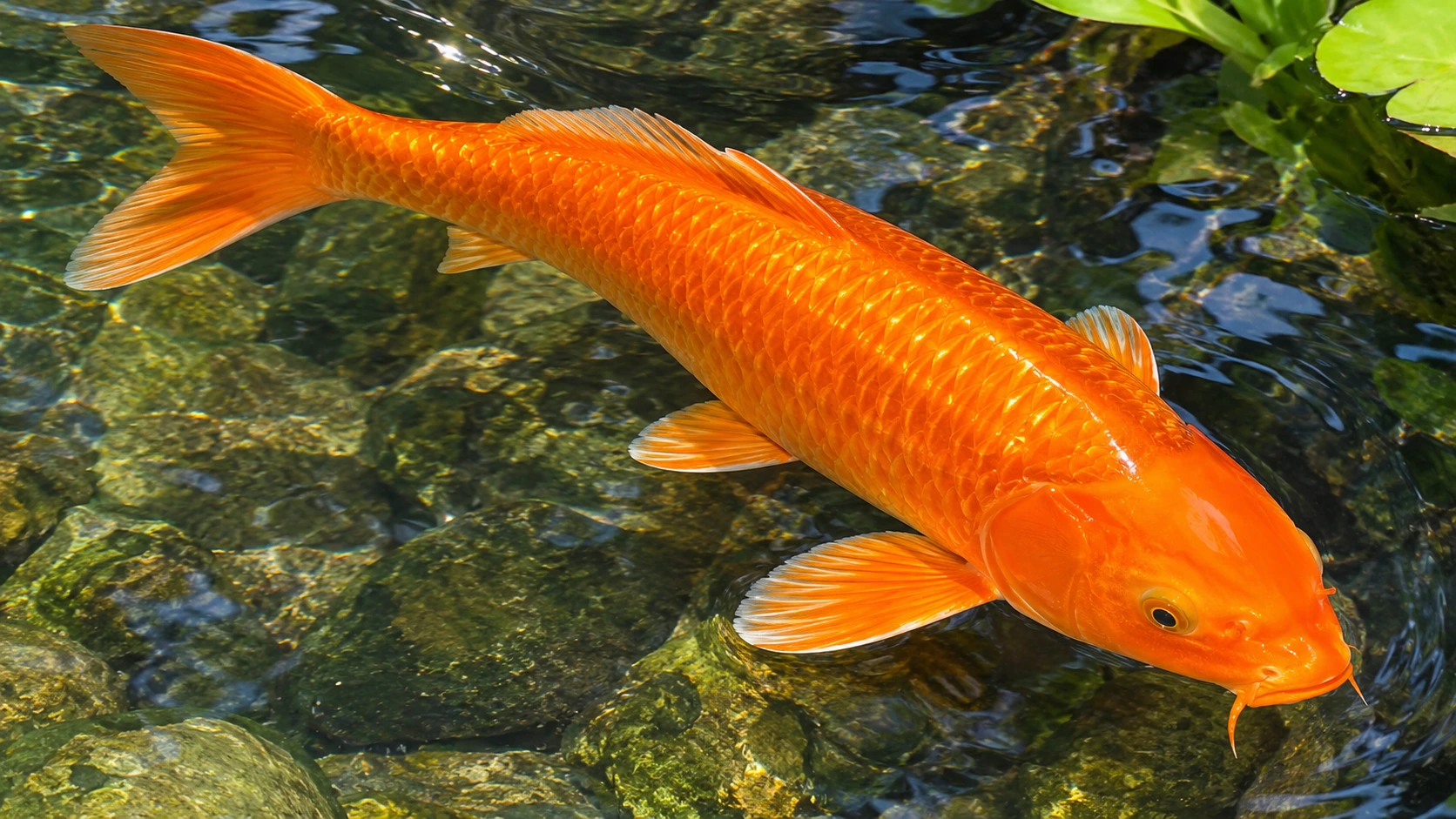
Before getting deeper into symbolism, it’s worth knowing that a solid, metallic orange koi isn’t just “an orange-colored fish” — it’s a specific, officially recognized variety called Orenji Ogon (“Orenji” being the Japanese rendering of “orange”). It belongs to the Hikari Muji class (solid-colored metallic koi), developed in the 1950s by the Aoki family — the same breeders responsible for the original golden Yamabuki Ogon. For the full story of this breeding lineage, see our Yamabuki Ogon guide.
Cultural Significance of Koi Fish
Spiritual Meanings in Different Cultures
In Japanese culture, the koi fish carries a tale of perseverance and determination. Legend has it that koi swimming against the current and reaching the top of a waterfall would transform into a dragon. This story embodies the spirit of perseverance amidst adversity, symbolizing the ability to overcome obstacles. Chinese culture attributes koi fish with success, wealth, and prosperity.
Worth getting precise about one often-repeated claim: the word “koi” (鯉, meaning carp) is a homophone of a separate word, “koi” (恋, meaning romantic love) — they sound identical but are different words with distinct origins and characters, not one directly meaning the other. This coincidence has inspired a genuine, well-known pun in Japanese art and literature that adds emotional depth to the fish’s symbolism, even though “koi” the carp isn’t literally “koi” the word for love.
Symbolism of Orange Koi
Color Symbolism in Koi Fish
The colors of koi fish play a crucial role in their symbolism. Each hue represents specific qualities and emotions. Orange, being a warm and vibrant color, symbolizes enthusiasm, energy, and courage. It represents a zest for life and a bold, adventurous spirit. The orange koi, therefore, embodies these traits, making it a symbol of fervor and vitality.
Specific Symbolism of Orange Koi
The symbolism associated with the orange koi fish goes beyond the general attributes linked with koi in general. It is often seen as a representation of fiery determination in pursuing goals. The vibrant hue signifies courage in taking risks and embracing change. It acts as a reminder to live life with zest and to approach new endeavors with enthusiasm.
📖 Koi: A Complete Guide to their Care and Color Varieties
A genuinely great resource for learning more about Orenji Ogon and other Hikari Muji varieties beyond their symbolism.
🛒 Check Price on Amazon →Interpretations in Spiritual Practices
Spiritual Associations and Interpretations
In various spiritual practices, the presence of an orange koi fish is interpreted as a symbol of transformative energy. The fish’s vibrant color and its associations with courage and vitality indicate an impending change. It encourages individuals to embrace new beginnings with confidence and enthusiasm, signifying a period of personal growth and transformation.
Orange Koi Fish in Feng Shui
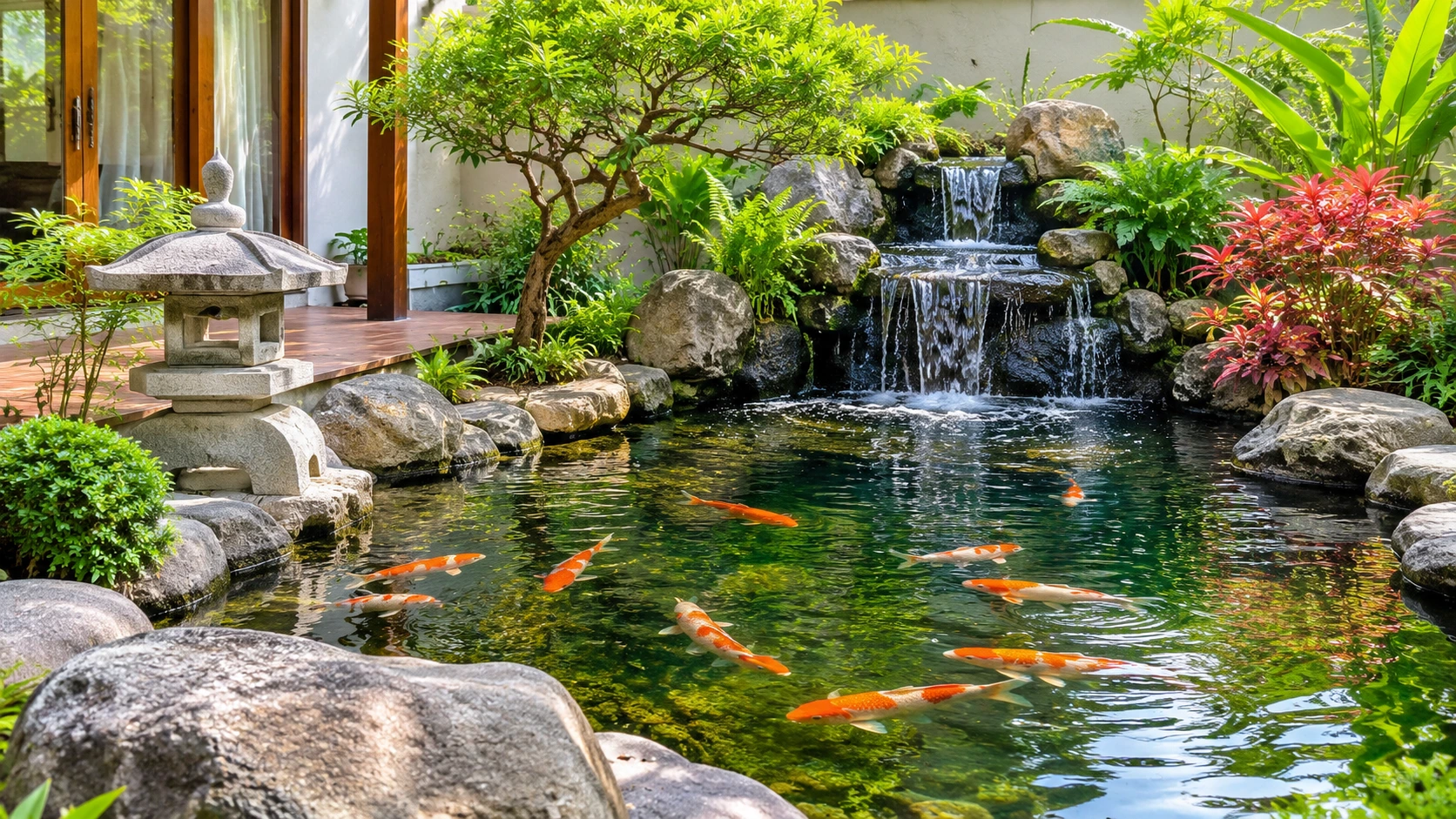
Feng Shui, an ancient Chinese practice focused on harmonizing individuals with their environment, considers the placement of objects for attracting positive energies. In Feng Shui, the orange koi fish is placed strategically to invite vibrant energies associated with enthusiasm, personal growth, and transformation. Positioning an orange koi in specific areas of the home or office is believed to attract positive life changes.
Connection to Personal Growth and Transformation
The symbolism of the orange koi fish serves as a metaphor for personal growth. Its representation of determination, vitality, and courage inspires individuals to navigate life’s challenges with resilience. Embracing the spirit of the orange koi encourages one to accept change, fostering personal development and transformation.
Modern Interpretations and Adaptations
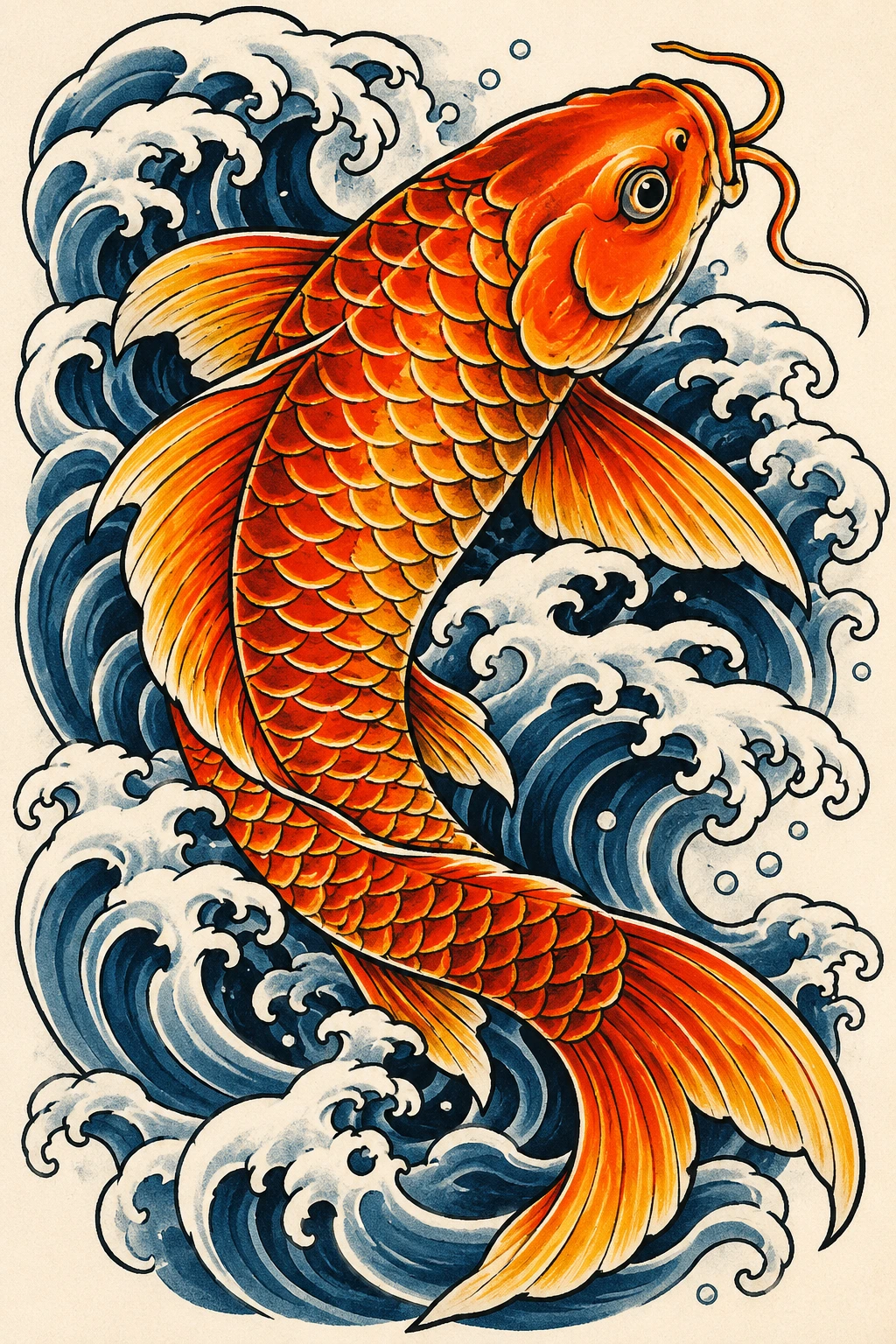
In modern times, the symbolism of the orange koi fish continues to resonate with individuals seeking courage, positivity, and personal evolution. The image of the orange koi is prevalent in various art forms, literature, and tattoos. Its depiction symbolizes an individual’s desire for transformation, courage in facing life’s hurdles, and a quest for personal fulfillment.
Conclusion
The spiritual significance of the orange koi fish extends beyond its vibrant appearance. Beyond the symbolism, this color has its own proper name — Orenji Ogon — and a real breeding lineage tracing back to the Aoki family’s 1950s innovations. It stands as a timeless symbol of courage, transformation, and the enthusiasm to embrace change with resilience and positivity.
FAQs
What is a solid orange koi fish called?
Orenji Ogon — part of the Hikari Muji class, developed in the 1950s by the Aoki family.
What does an orange koi fish symbolize?
Determination, courage, vitality, and embracing change.
What is the significance of koi fish in Feng Shui?
In Feng Shui, koi fish symbolize positivity, personal growth, and attracting vibrant energies.
Does “koi” really mean “love” in Japanese?
Not literally — “koi” (carp) and “koi” (romantic love) are homophones, sounding identical but being separate words with different origins. The coincidence inspired a well-known pun in Japanese culture.
You may also like
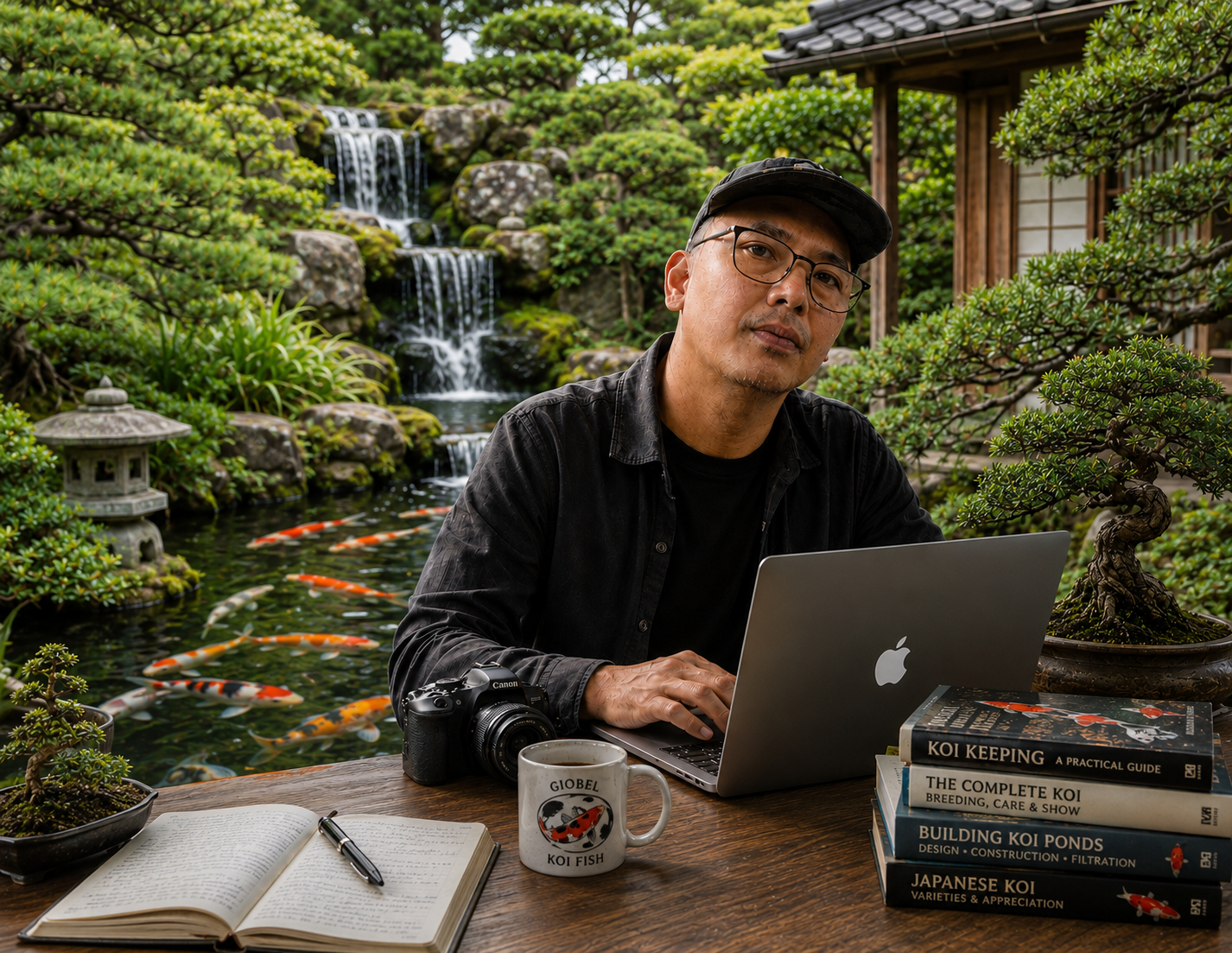

Passionate about fish keeping since elementary school in the 1980s, Giovanni Carlo has dedicated countless hours to collecting and breeding a diverse array of ornamental freshwater fish. From vibrant guppies and majestic koi to striking bettas and classic goldfish, he continues to explore the fascinating world of aquatics, sharing knowledge and enthusiasm with fellow fish enthusiasts.