Quick Answer
No, koi don’t magically shrink or stop growing to match their tank size — but a small tank genuinely does stunt their growth, through a real, well-documented mechanism: koi (like goldfish) release a growth-inhibiting hormone into the water. Frequent water changes dilute this hormone and allow growth to continue; infrequent changes let it build up and suppress growth. The fish’s body isn’t “sensing” the tank size directly — it’s responding to hormone concentration, which happens to correlate with water volume and change frequency. A koi kept in cramped, rarely-changed water can still reach a large size while suffering from genuine stunted development and health problems — it isn’t a safe way to “keep them small.”
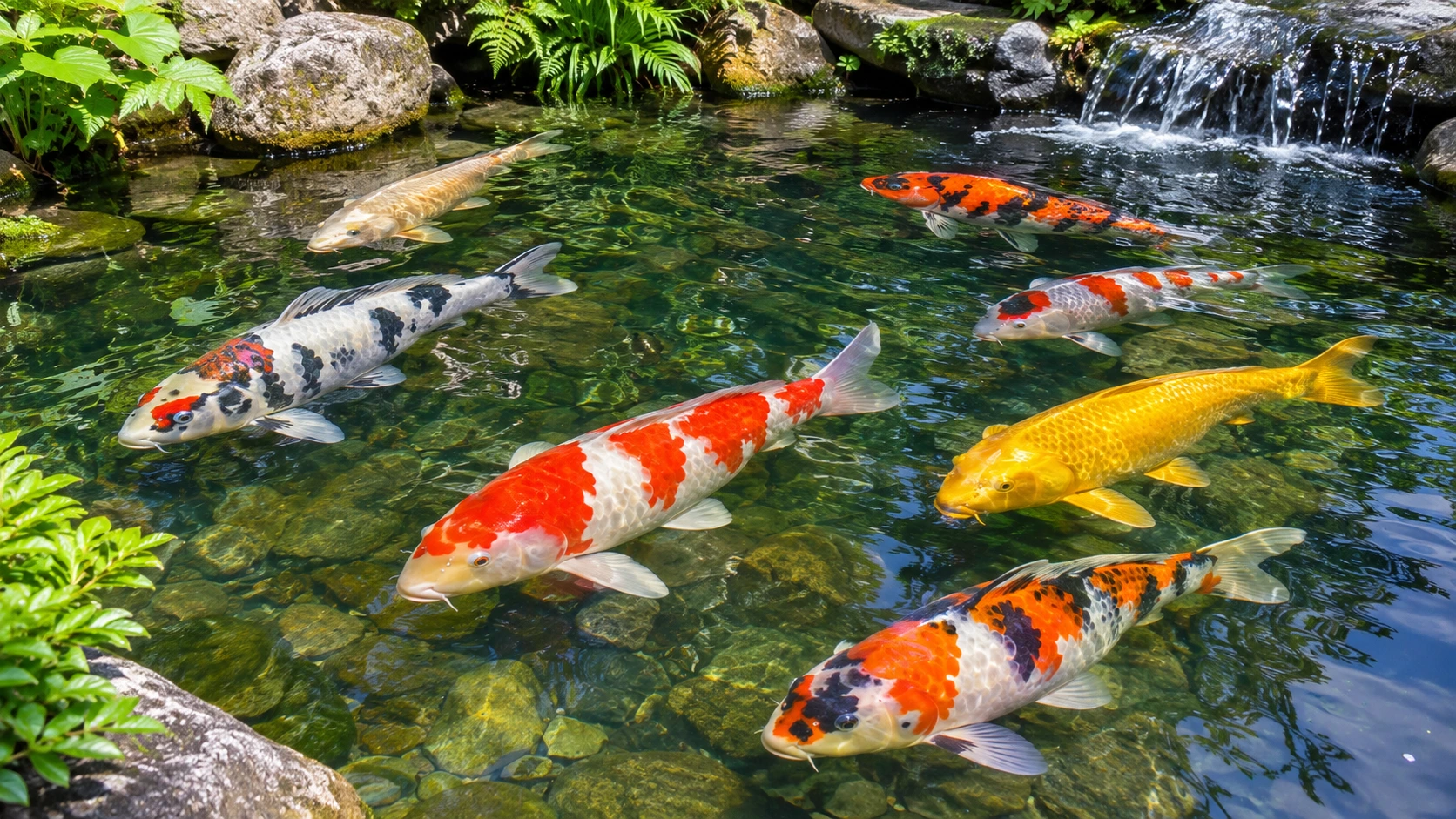
Do Koi Fish Grow to Their Environment? The Truth About Koi Growth
Koi fish are pond fish that require a large amount of water to thrive well. Can they live in a fish tank? Yes and no — let’s find out the real reasons why.
Do Koi Fish Grow to the Size of Their Tank?
Koi are members of the carp family and can tolerate temperature changes and water pollution better than many other fish types, so they will survive in smaller tanks — but with genuinely stunted growth, not by design. Stunted growth doesn’t happen simply because a koi is in a small tank; rather, the koi’s body tries to grow as much as nature intended regardless of space, and the end result can be a larger fish that simply has no room to swim. Koi often survive even in these cramped circumstances, which is exactly why this myth persists — people see a koi “staying small” in a small tank and assume the tank itself is controlling its size, when what’s actually happening is suppressed, unhealthy growth.
The Real Mechanism: Growth-Inhibiting Hormones
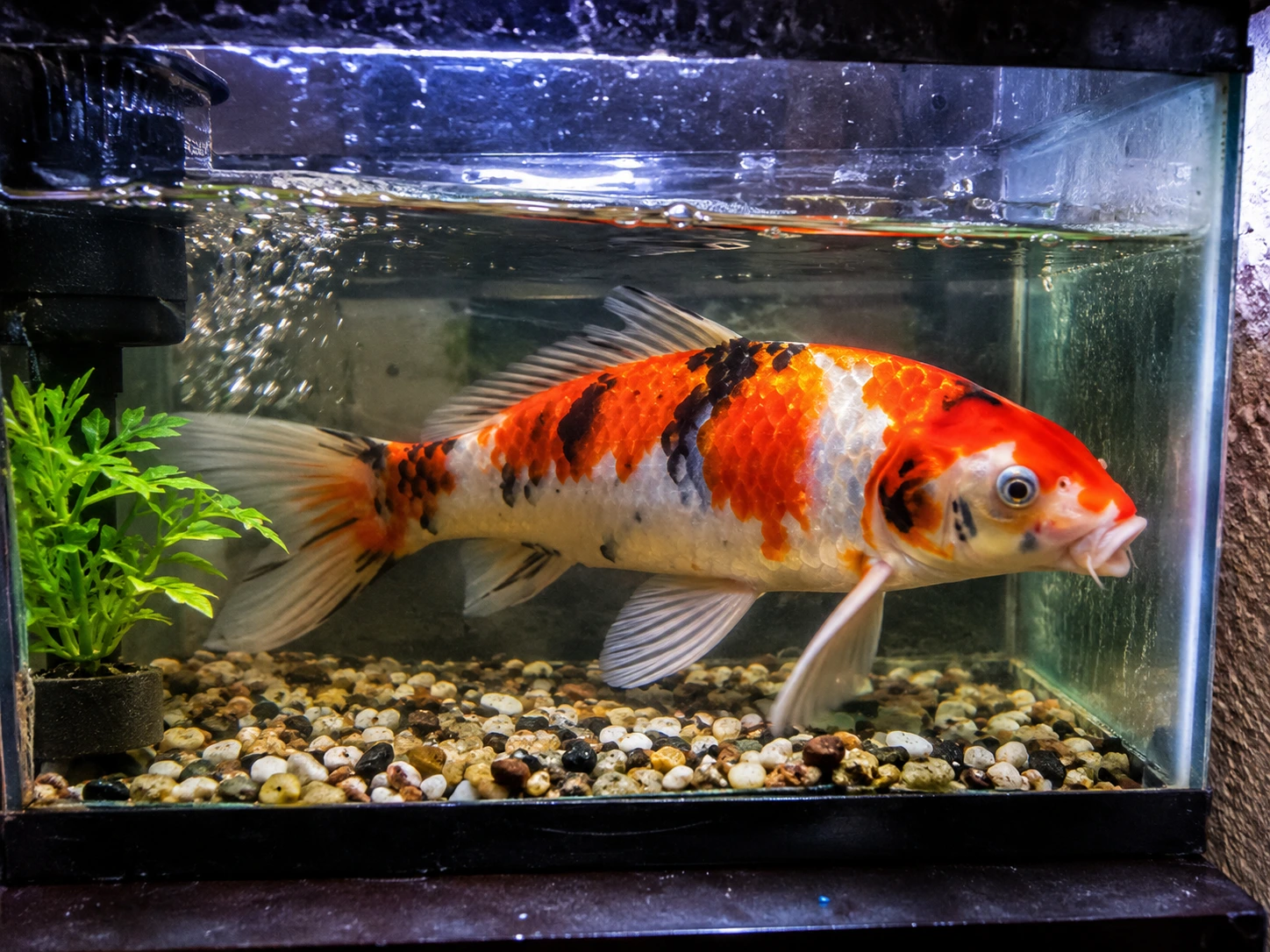
Both goldfish and koi release a hormone into the water that affects their growth rate. The concentration of this hormone in the water determines how much the fish’s body “believes” it’s safe to grow. If water is changed frequently, this hormone concentration stays low, and growth continues. If water is rarely changed, the hormone builds up, and growth is suppressed — not because the tank is too small in a geometric sense, but because of this chemical signal. There are documented cases of koi growing in a tank until they genuinely couldn’t move any further, which is a real animal welfare concern, not a desirable way to limit a koi’s size.
How Large Can Koi Grow With Proper Care?
A koi can grow to an average of 24-36 inches and weigh up to 30 pounds, depending on its environment and care level. Growth speed is affected by pond size, water quality, feeding, and temperature, with most koi reaching their full potential within about 6-10 years. Jumbo koi varieties can exceed 36 inches.
How Long Do Koi Fish Live?
With good care, koi typically live 25-35 years, with some well-documented individuals reaching 50 years or more. Claims of koi living up to 200 years (referring to a specific koi named Hanako) are exceptional and disputed rather than representative of a typical lifespan — most sources, including careful scale-ring age analysis, support the 25-35 year range as realistic for well-cared-for koi, with Japan’s generally more experienced, dedicated keeper culture often producing longer-lived fish than average.
How Fast Do Koi Grow?
Koi typically grow fastest in their first year, often reaching around 8-9 inches by their first birthday, with growth continuing steadily (though more slowly) through their second year and beyond. Growth rate gradually decreases and largely levels off by around 6-10 years of age.
Keeping a koi in a small aquarium long-term isn’t recommended — even with frequent water changes and proper diet (both of which allow growth to continue), koi genuinely need far more swimming space than a standard aquarium provides as they mature.
Tank and Pond Space Requirements
For permanent keeping, plan on roughly 250 gallons per adult koi — a pond with several koi should scale up accordingly (for example, 5 adult koi would need at least 1,250 gallons). If you have koi fry and are planning a permanent pond, they can be kept temporarily in a smaller tank using a rule of thumb of about 1 inch of fish per 10 gallons of water, but this is a temporary arrangement, not a long-term solution. For the full pond vs. tank breakdown, see our Koi Fish Tank Size guide.
🧪 API Pond Master Test Kit
Tests pH, ammonia, nitrite, and nitrate — essential for ensuring the water quality conditions that support genuine, healthy koi growth.
🛒 Check Price on Amazon →The Impact of Overcrowding
Overcrowding leads to increased stress among koi, a significant factor contributing to stunted growth and weakened immune response. When fish are confined in close quarters, territorial disputes and chronic stress make them more susceptible to disease, independent of the hormone mechanism discussed above. Stunted koi may also develop disproportionate body shapes, with shortened bodies and smaller fins — genuine physical consequences, not just a size difference.
Other Factors Affecting Growth
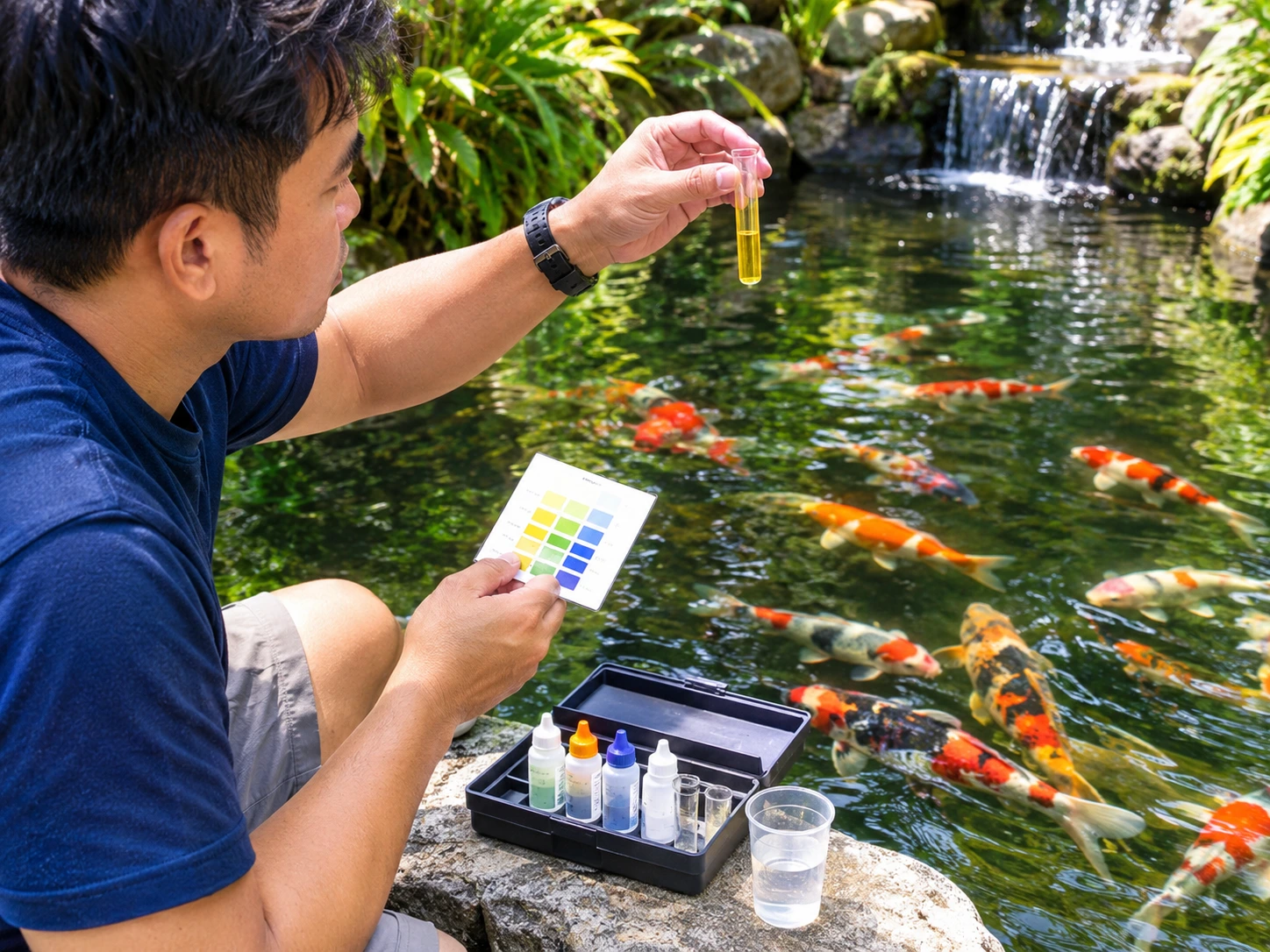
Beyond tank size and water changes, genuine growth depends on:
- Water quality: Ammonia and nitrite should read 0 ppm, with stable pH and adequate filtration.
- Diet: A varied, high-quality diet combining koi pellets with occasional treats supports healthy growth.
- Oxygenation: Adequate aeration supports metabolism and overall growth.
- Genetics: Some bloodlines are simply predisposed to grow larger or faster than others, independent of environment.
Conclusion
Koi don’t literally “grow to their environment” in a magical, size-sensing way — but a cramped, rarely-changed tank genuinely does suppress their growth through a real hormonal mechanism, not a tape-measure relationship with the tank’s dimensions. Understanding this distinction matters: deliberately keeping a koi small through neglectful water changes isn’t a safe size-management technique, it’s a genuine welfare concern. For healthy growth and a long, full lifespan, koi need real space, clean water, and proper care — not a small tank used as an intentional growth limiter.
FAQs
Do koi fish really grow to the size of their tank?
Not directly — it’s a myth with a kernel of truth. A growth-inhibiting hormone that builds up in rarely-changed water suppresses growth, not the tank’s physical size itself.
How long do koi fish actually live?
Typically 25-35 years with good care, with some reaching 50+. Claims of 200-year lifespans are exceptional and disputed, not typical.
What size tank or pond does a koi fish need?
Roughly 250 gallons per adult koi for permanent keeping. Temporary tanks for fry can use a rule of thumb of 1 inch of fish per 10 gallons.
Can frequent water changes make my koi grow too fast?
Frequent water changes support healthy, natural growth rather than “too fast” growth — the real risk is on the other side, where infrequent changes cause unhealthy stunting.
You may also like

Passionate about fish keeping since elementary school in the 1980s, Giovanni Carlo has dedicated countless hours to collecting and breeding a diverse array of ornamental freshwater fish. From vibrant guppies and majestic koi to striking bettas and classic goldfish, he continues to explore the fascinating world of aquatics, sharing knowledge and enthusiasm with fellow fish enthusiasts.