


Quick Answer
Pond filter maintenance means checking water flow daily, rinsing filter media weekly (always in pond water, never tap water), and doing a full seasonal clean in spring and before winter. Just as important as cleaning schedule: your filter needs to actually be sized to your pond’s volume — an undersized filter can’t be “maintained” into working properly no matter how often you clean it.

This koi pond vacuum makes routine sludge removal from the pond floor genuinely easier, reducing how much debris ever reaches your filter in the first place.
Understanding Pond Filter Maintenance
Maintaining your pond filter is essential for keeping your pond healthy, clear, and beautiful. A properly functioning filter not only enhances the aesthetics of your pond but also supports a balanced ecosystem.
Why Pond Filter Maintenance Is Crucial
The Role of a Pond Filter in Maintaining Balance
Your pond filter works tirelessly to remove debris, promote the growth of beneficial bacteria, and maintain the delicate balance of your pond’s ecosystem. Without proper maintenance, the filter’s efficiency decreases, leading to murky water and unhealthy aquatic life.
Preventing Algae Growth and Water Pollution
A neglected filter allows nutrients and organic waste to accumulate, creating the perfect breeding ground for algae. Regular maintenance helps prevent these issues, ensuring clear water and a vibrant pond environment.
Sizing Your Filter First
Before any maintenance schedule matters, your filter needs to actually match your pond. As a general rule, size your filter to handle at least 1.5 times your pond’s total water volume — an undersized filter will fall behind on waste no matter how diligently you clean it. If you’re not sure how many gallons you’re working with, use our Pond Volume Calculator before comparing filter specs.
Types of Pond Filters

Mechanical Filters
Mechanical filters physically trap debris like leaves, dirt, and uneaten fish food, using media like filter brushes, sponges, or filter pads. They’re crucial for preventing clogs and ensuring smooth water circulation.
Biological Filters
Biological filters encourage the growth of beneficial bacteria that break down harmful substances like ammonia and nitrites into less toxic nitrates. Common biological media includes bio-balls and K1 media, both designed to maximize surface area for bacteria to colonize.
UV Clarifiers
UV clarifiers target microscopic algae and other pathogens, sterilizing them with ultraviolet light. They’re especially helpful for ponds prone to green water issues.
The TotalPond UV Pond Clarifier is a straightforward, widely-used option for tackling green water without adding chemicals to your pond.
Regular Pond Filter Maintenance Tasks
Daily Maintenance
- Inspect water flow — any reduction may signal blockages or pump issues.
- Monitor clarity — address any sudden changes in water clarity right away.
Weekly Maintenance
- Clean filter media — rinse filter pads and media using pond water to preserve beneficial bacteria. Avoid tap water, since chlorine kills these helpful microbes.
- Check for obstructions — inspect the filter and pipes for blockages and remove any debris.
Seasonal Maintenance
- Winter preparation — in colder regions, clean and store the filter indoors to prevent freezing damage.
- Spring restart — as the weather warms, thoroughly clean the filter and replace any worn components before increased seasonal use.
Step-by-Step Guide to Cleaning Your Pond Filter


- Turn off the pump. Isolate the filter to prevent water flow during cleaning.
- Remove and rinse the media. Rinse in a bucket of pond water to preserve beneficial bacteria while removing debris.
- Clean the filter housing. Use a soft brush or sponge to remove accumulated sludge or algae.
- Reassemble and test. Turn on the pump and check for proper functioning, with no leaks or unusual noises.
Extending the Life of Your Pond Filter
- Use high-quality filter media designed for your specific pond type and size.
- Follow manufacturer installation guidelines — a correctly installed filter operates more efficiently with fewer issues.
- Schedule annual professional inspections to catch potential problems before they escalate.
Troubleshooting Common Pond Filter Issues
- Reduced water flow — usually caused by clogs in the filter or pump; clean components and check pipes for blockages.
- Unpleasant odors — typically from accumulated organic waste; regular cleaning and media replacement resolves this.
- Excessive noise — may indicate loose components or a misaligned pump; tighten fittings and check alignment.
Eco-Friendly Tips for Pond Filter Maintenance
- Reuse filter waste — the organic waste your filter collects is nutrient-rich and works well as natural garden fertilizer.
- Minimize water waste — clean filter media in a separate container of pond water rather than letting tap water run continuously.
Conclusion
Pond filter maintenance is the cornerstone of a healthy, thriving pond. With consistent care — and a filter that’s actually sized correctly in the first place — your system will perform optimally, providing clean water and a balanced ecosystem for years to come.
Frequently Asked Questions
How often should I clean my pond filter?
Every 1–2 weeks during active seasons, less frequently during colder months when biological activity slows down.
Can I use tap water to clean my filter media?
No — use pond water instead, since chlorine in tap water kills the beneficial bacteria living in the filter media.
What is the best time of year to replace filter media?
Spring is ideal, since it aligns with the pond’s active growth season heading into summer.
How do I know if my filter needs professional servicing?
Persistent issues like reduced flow, leaks, or excessive noise that don’t resolve with basic cleaning may require professional attention.
Are UV clarifiers necessary for all ponds?
Not essential for every pond, but highly effective specifically for combating green water and algae problems.
You may also like
- Koi Pond Equipment and Supplies
- Lucky Number of Koi Fish in a Pond
- Koi Pond Liners
- How to Get Crystal Clear Koi Pond Water

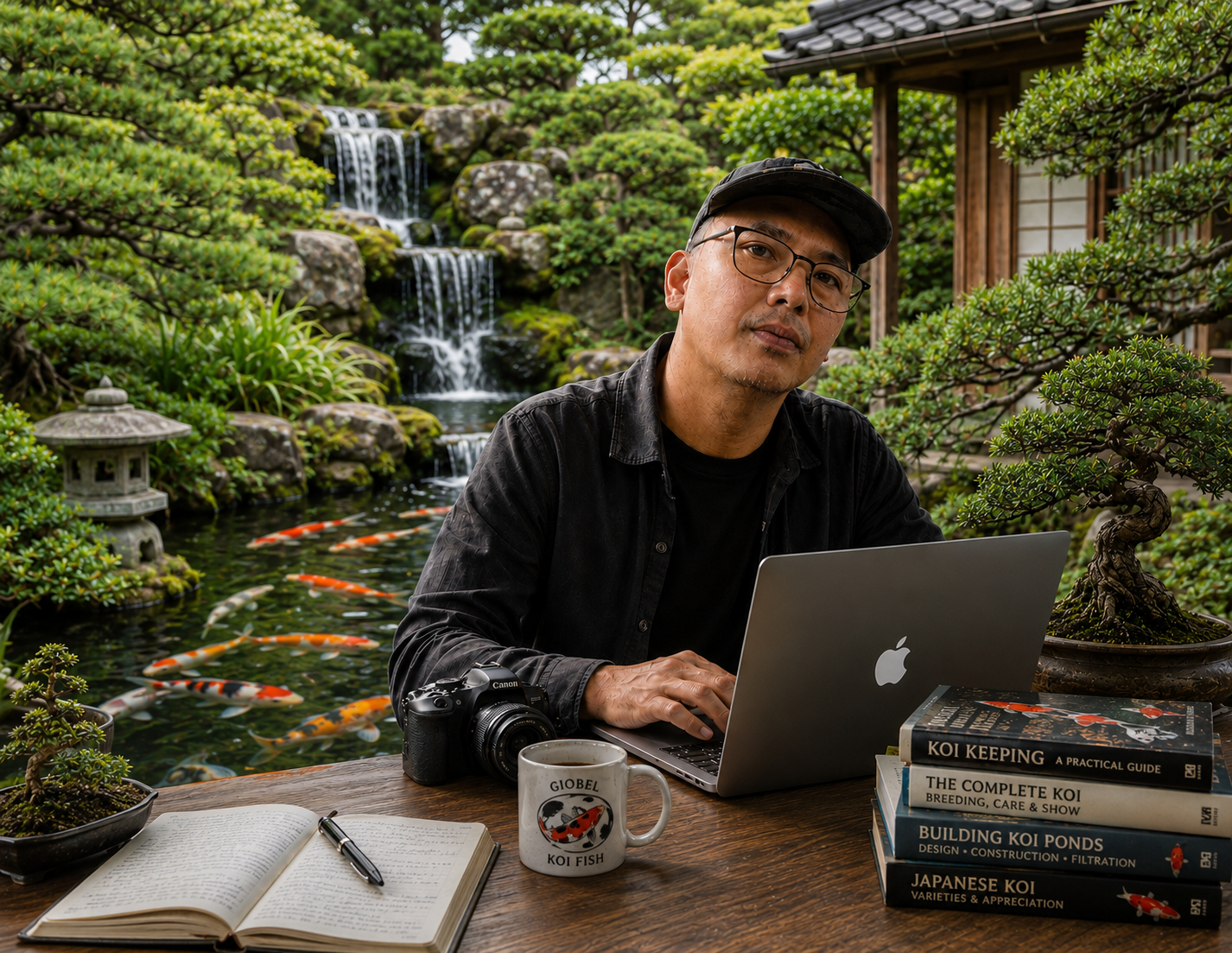
Passionate about fish keeping since elementary school in the 1980s, Giovanni Carlo has dedicated countless hours to collecting and breeding a diverse array of ornamental freshwater fish. From vibrant guppies and majestic koi to striking bettas and classic goldfish, he continues to explore the fascinating world of aquatics, sharing knowledge and enthusiasm with fellow fish enthusiasts.

Passionate about fish keeping since elementary school in the 1980s, Giovanni Carlo has dedicated countless hours to collecting and breeding a diverse array of ornamental freshwater fish. From vibrant guppies and majestic koi to striking bettas and classic goldfish, he continues to explore the fascinating world of aquatics, sharing knowledge and enthusiasm with fellow fish enthusiasts.