November 2026

Why Koi Fish Swim in Japan’s Street Gutters!

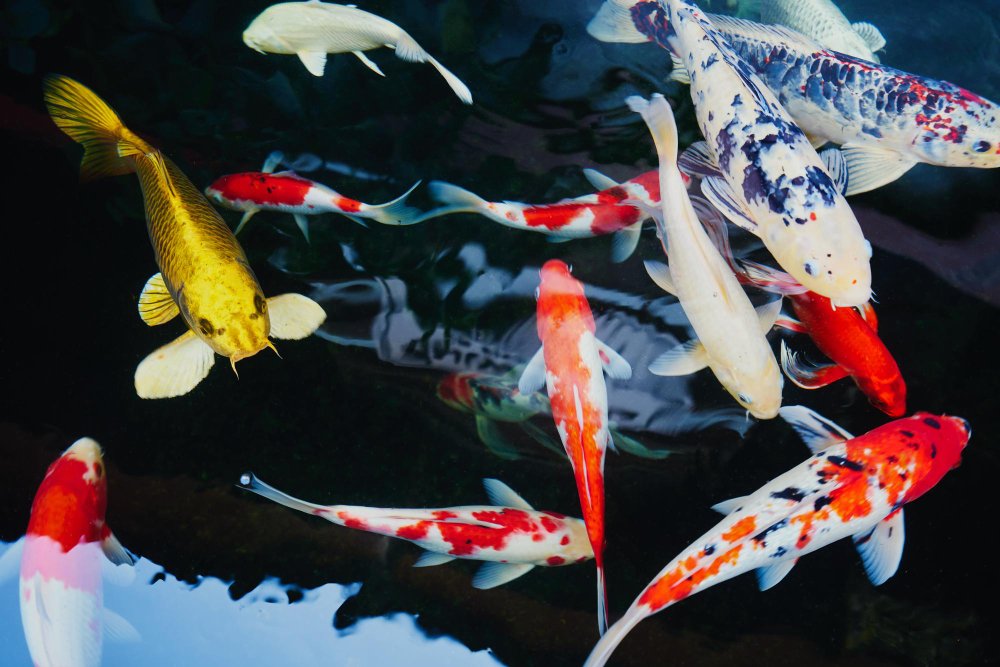
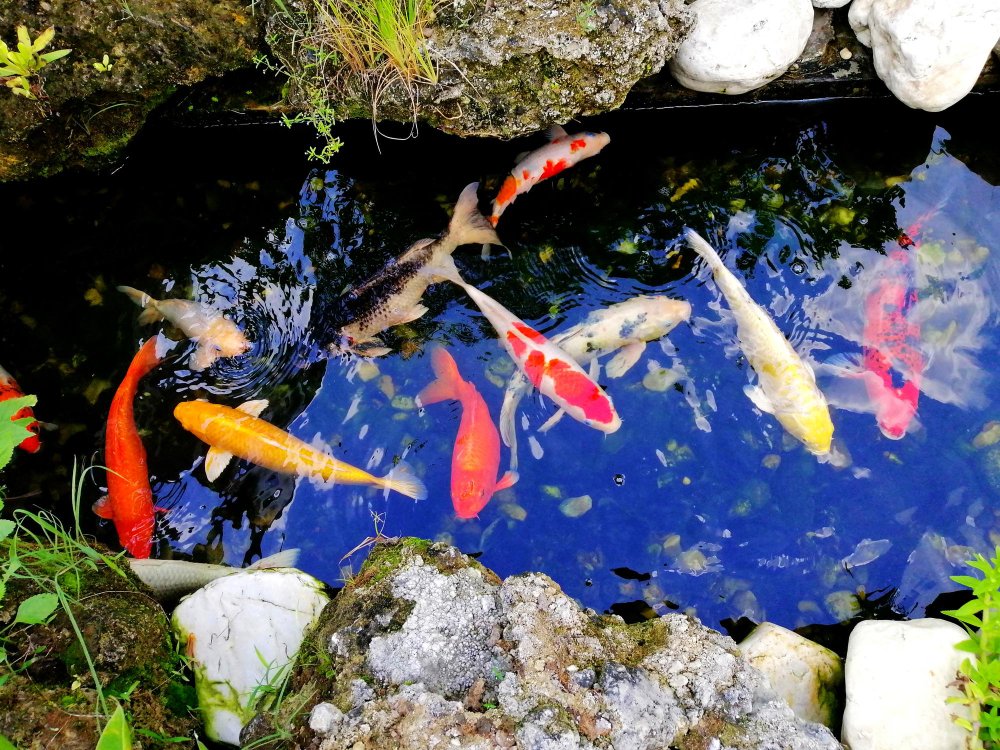
Quick Answer Koi swim in the street canals of Shimabara, Japan, because the water isn’t wastewater at all — it’s clean spring water. In 1792, the Unzen-Mayuyama disaster (Japan’s deadliest volcanic catastrophe, killing roughly 15,000 people) fractured the ground and created over 60 natural springs throughout the city. Nearly two centuries later, in 1978, residents
Why Koi Fish Swim in Japan’s Street Gutters! Read More »

Are Koi Fish Invasive? The Real Environmental Impact

Quick Answer Koi kept in your own backyard pond aren’t invasive — but released koi are a genuine, documented, worldwide invasive species problem. States like Minnesota and provinces like Alberta officially classify koi as regulated invasive species, with real legal penalties for release. Koi are extremely hardy, reproduce rapidly (a single female can lay 5,000

Are Koi Fish Invasive? The Real Environmental Impact Read More »

Can Koi Recognize Their Owners? Koi Senses and Intelligence Explained

Quick Answer Koi genuinely can learn to recognize the people who feed them — not through facial recognition exactly, but through a combination of visual cues, sound vibrations, and routine. Koi hear through an internal structure called the Weberian ossicles, see color well (though they’re actually quite short-sighted, with sharp vision only within 1-2 meters),

Can Koi Recognize Their Owners? Koi Senses and Intelligence Explained Read More »

Is the Koi Hobby Dying? What the Data Actually Shows in 2026

Quick Answer No — the data points the other way. According to Japan’s own Ministry of Finance trade statistics, nishikigoi (ornamental koi) export value genuinely doubled from ¥2.9 billion in 2013 to ¥5.9 billion in 2021, with the Japanese government targeting ¥9.7 billion by 2025. China resumed koi imports from Japan in October 2024 after

Is the Koi Hobby Dying? What the Data Actually Shows in 2026 Read More »

Coy Fish vs Koi Fish: Why Everyone Misspells It (And the Real Story)

Quick Answer “Coy fish” isn’t a real variety — it’s simply a phonetic misspelling of “koi fish.” The confusion makes sense: “koi” is pronounced “koy” in English, and “coy” is already a common English word (meaning shy or reserved), so the ear naturally reaches for the familiar spelling. Ironically, koi are the opposite of coy

Coy Fish vs Koi Fish: Why Everyone Misspells It (And the Real Story) Read More »

Koi Fish Swimming Up and Down Meaning: Health Warning Signs and Symbolism

Quick Answer Check your koi’s health first, before considering symbolism. Occasional playful jumping or gentle vertical movement is normal. But frantic, repeated darting to the surface and back down is a well-documented warning sign — usually low dissolved oxygen, high ammonia, parasites, or (less commonly) swim bladder disorder. Test your water immediately if this behavior

Koi Fish Swimming Up and Down Meaning: Health Warning Signs and Symbolism Read More »

Koi Fish Swimming in Circle Meaning: Health Warning Signs and Symbolism

Quick Answer Check your koi’s health first, before considering symbolism. Calm, social circling among several healthy fish is normal — often tied to schooling behavior or mating. But frantic, erratic circling (especially in a single isolated fish) can signal a genuine emergency: ammonia or nitrite poisoning, parasites, swim bladder disorder, or in rare cases, a

Koi Fish Swimming in Circle Meaning: Health Warning Signs and Symbolism Read More »