Quick Answer
The 5 most common koi keeping mistakes: overfeeding (feed only what’s eaten in 5 minutes), ignoring water quality (test pH, ammonia, and nitrate regularly), overcrowding (budget roughly 250 gallons per adult koi), skipping quarantine for new fish (2 weeks minimum), and failing to provide shelter from predators and sun.
Koi fish are a beautiful and fascinating addition to any pond or water garden, but as with any pet, it’s important to take good care of them. Unfortunately, there are some common mistakes that koi keepers make that can harm their fish and even lead to illness or death. In this article, we’ll discuss five of the most common mistakes koi keepers make, the real warning signs that you’ve made them, and how to avoid them.
Mistake #1: Overfeeding
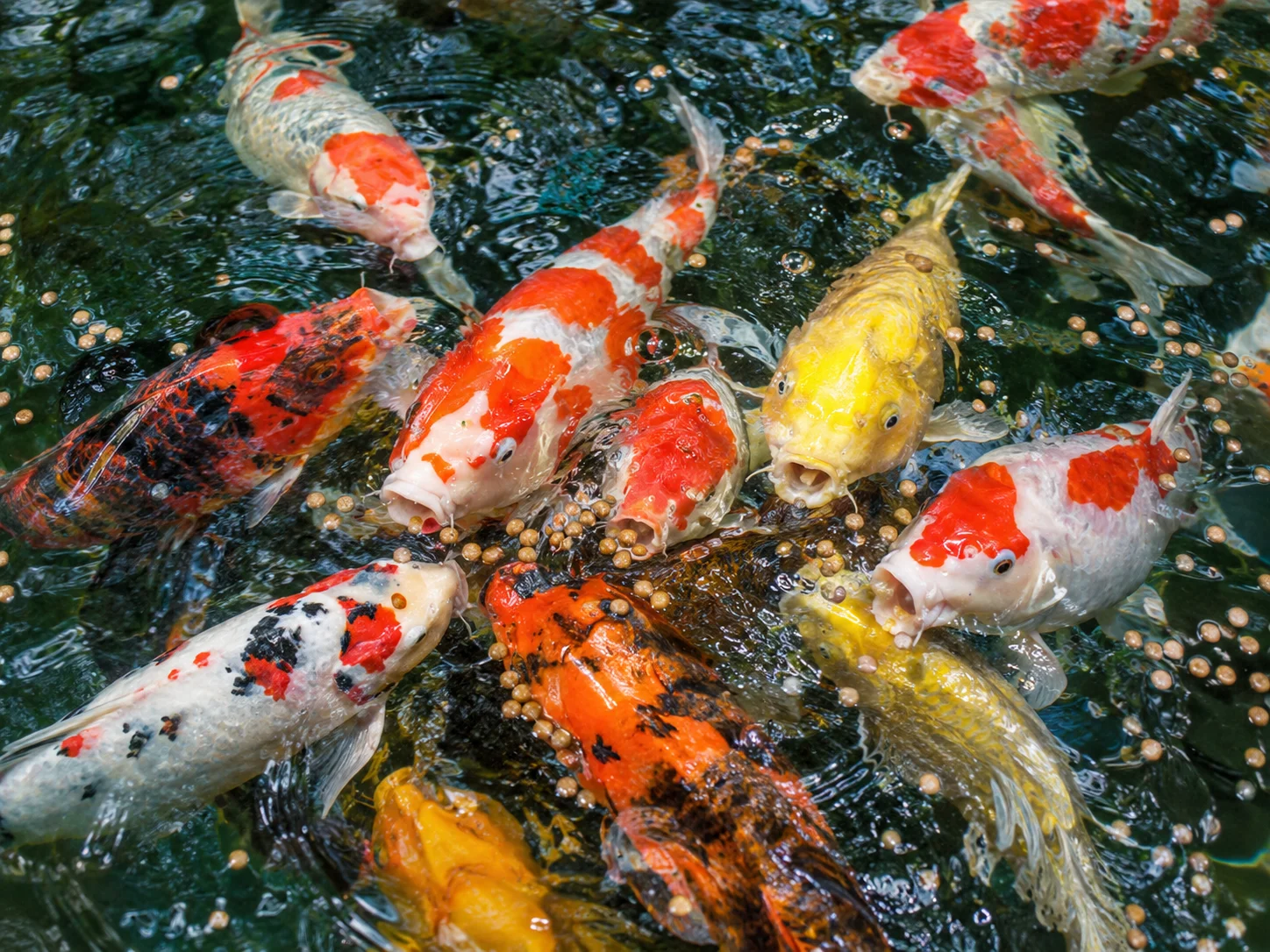
One of the biggest mistakes koi keepers make is overfeeding their fish. Koi are opportunistic eaters and will continue to eat as long as there is food available. This can lead to obesity, which can cause health problems such as organ failure and poor immune system function.
To avoid overfeeding your koi, it’s important to feed them the correct amount of food. A good rule of thumb is to feed your koi a portion of food that they can consume in five minutes or less. Additionally, make sure to choose a high-quality koi food that is appropriate for their dietary needs.
Warning signs you’re overfeeding: leftover food floating or sinking uneaten after 5 minutes, cloudy water shortly after feeding, and visibly rounder or bloated-looking fish.
Hikari Staple Floating Pellets for Koi and Pond Fish — a trusted, well-established daily diet that supports proper nutrition without encouraging overfeeding habits.
Mistake #2: Ignoring Water Quality
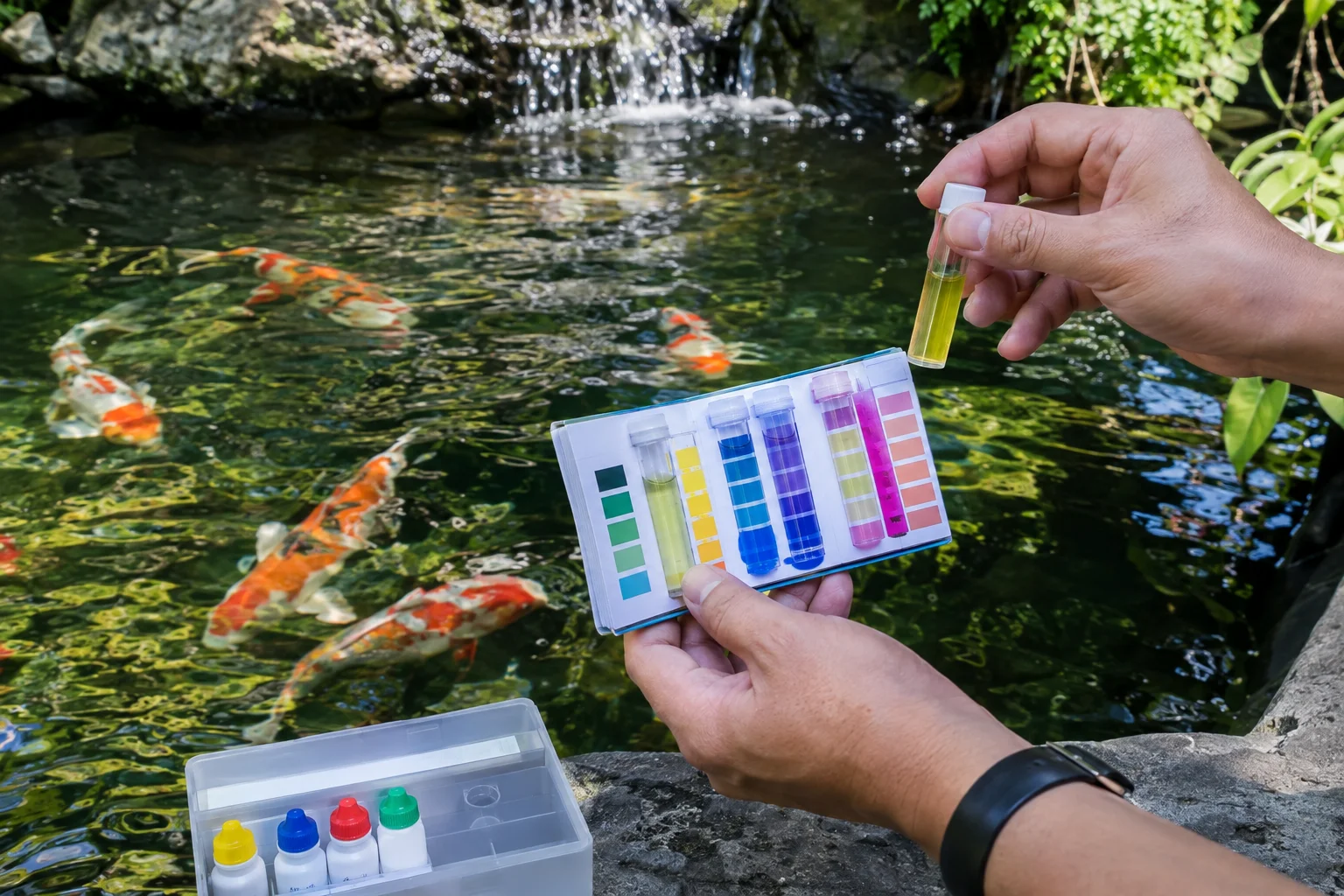
Koi fish are sensitive to changes in water quality, so it’s important to keep your pond water clean and balanced. Neglecting water quality can lead to a host of problems, including ammonia toxicity, algae blooms, and bacterial infections.
To avoid these issues, test your pond water regularly and make adjustments as needed. Keep an eye on the pH, ammonia, and nitrate levels, and make sure to perform regular water changes to keep the water fresh.
Warning signs of poor water quality: fish gasping at the surface, unusual lethargy, red or inflamed gills, or a sudden ammonia smell from the pond.
API Pond Master Test Kit — tests the key parameters (pH, ammonia, nitrite, nitrate) that actually matter for catching problems before they become visible.
Mistake #3: Overcrowding
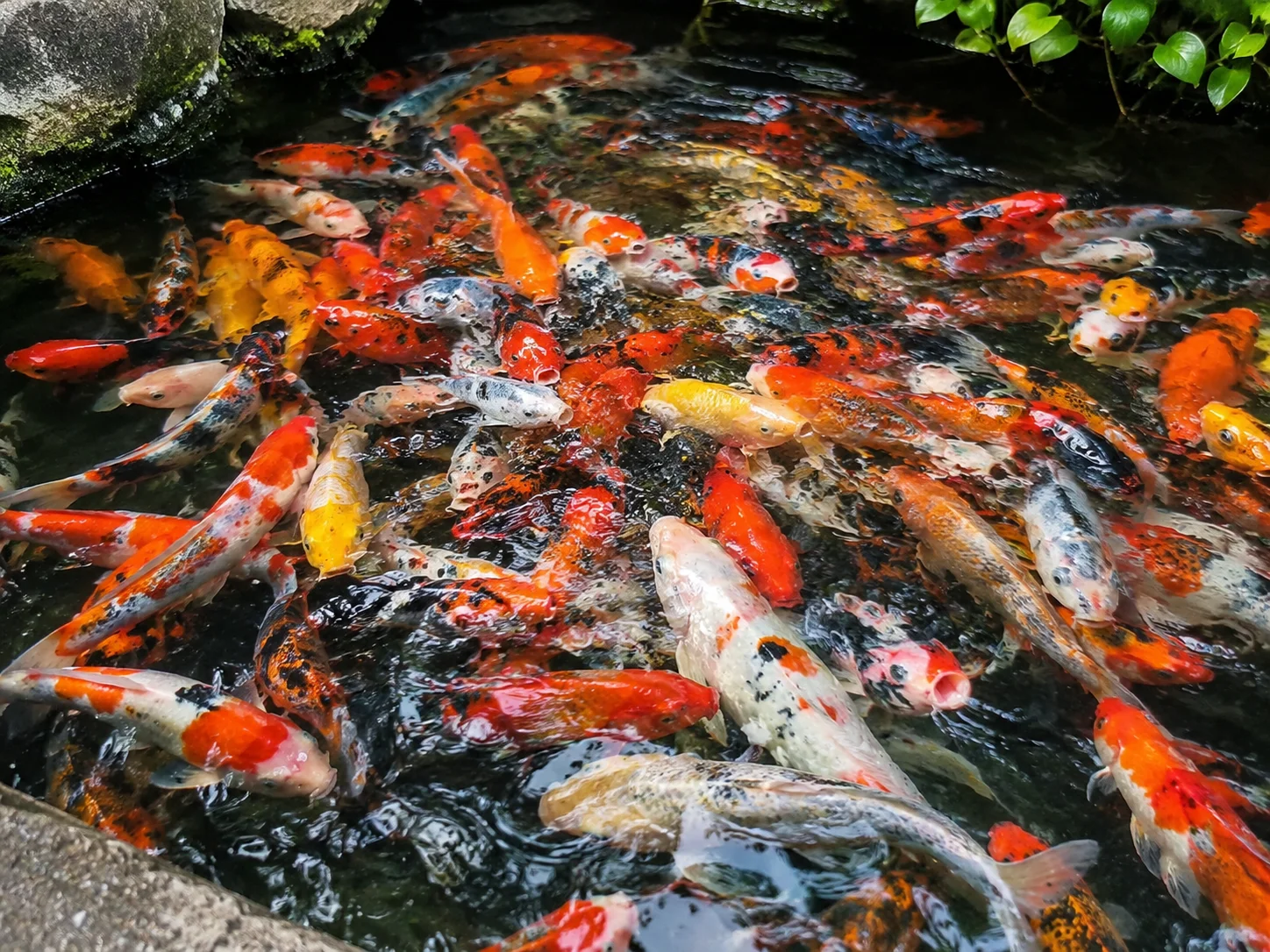
Koi fish are social creatures, but they also need plenty of space to swim and thrive. Overcrowding your pond can lead to stress, poor water quality, and disease outbreaks.
To avoid overcrowding, make sure to only add as many koi to your pond as it can comfortably accommodate. A good rule of thumb is to provide at least 250 gallons of water for every adult koi fish. If you’re not sure how many gallons your pond actually holds, use our Pond Volume Calculator before adding more fish.
Warning signs of overcrowding: fish constantly at the surface gasping, faster-than-expected ammonia spikes after water changes, and visible aggression or fin-nipping between fish.
Mistake #4: Neglecting to Quarantine New Fish
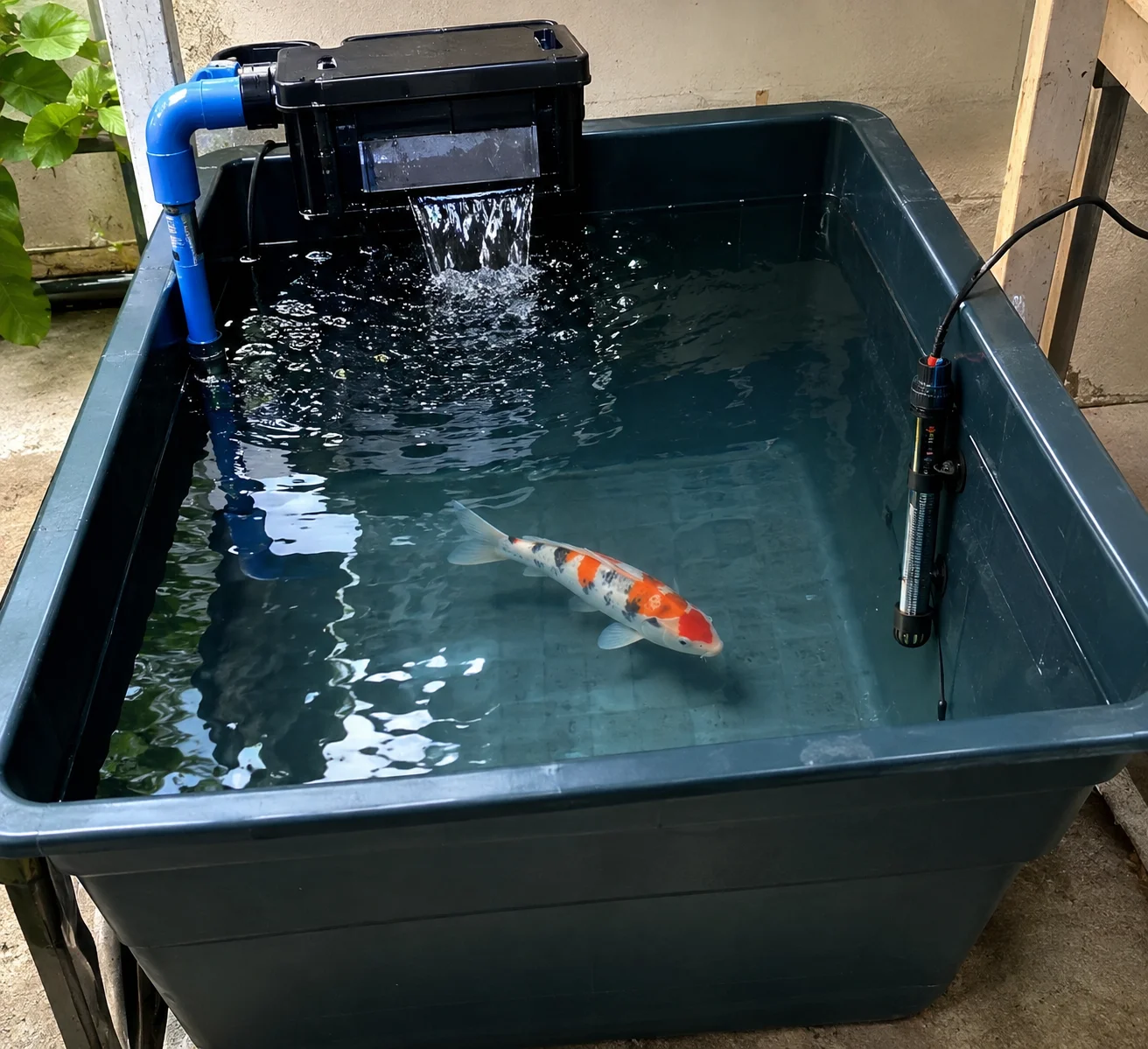
When adding new koi to your pond, it’s important to quarantine them for at least two weeks before introducing them to your other fish. Neglecting to quarantine new fish can introduce diseases and parasites to your pond, which can quickly spread to your other fish.
To avoid this, set up a separate quarantine tank for new fish and monitor them closely for signs of illness. Once they have been cleared by a veterinarian or fish expert, they can be safely introduced to your pond. For a full walkthrough of this process, see our guide to introducing new koi safely.
Warning signs to watch during quarantine: visible spots, flashing (rubbing against surfaces), clamped fins, or refusal to eat — any of these warrant extending the quarantine period and consulting a fish health expert before introducing the fish to your main pond.
Mistake #5: Failing to Provide Adequate Shelter
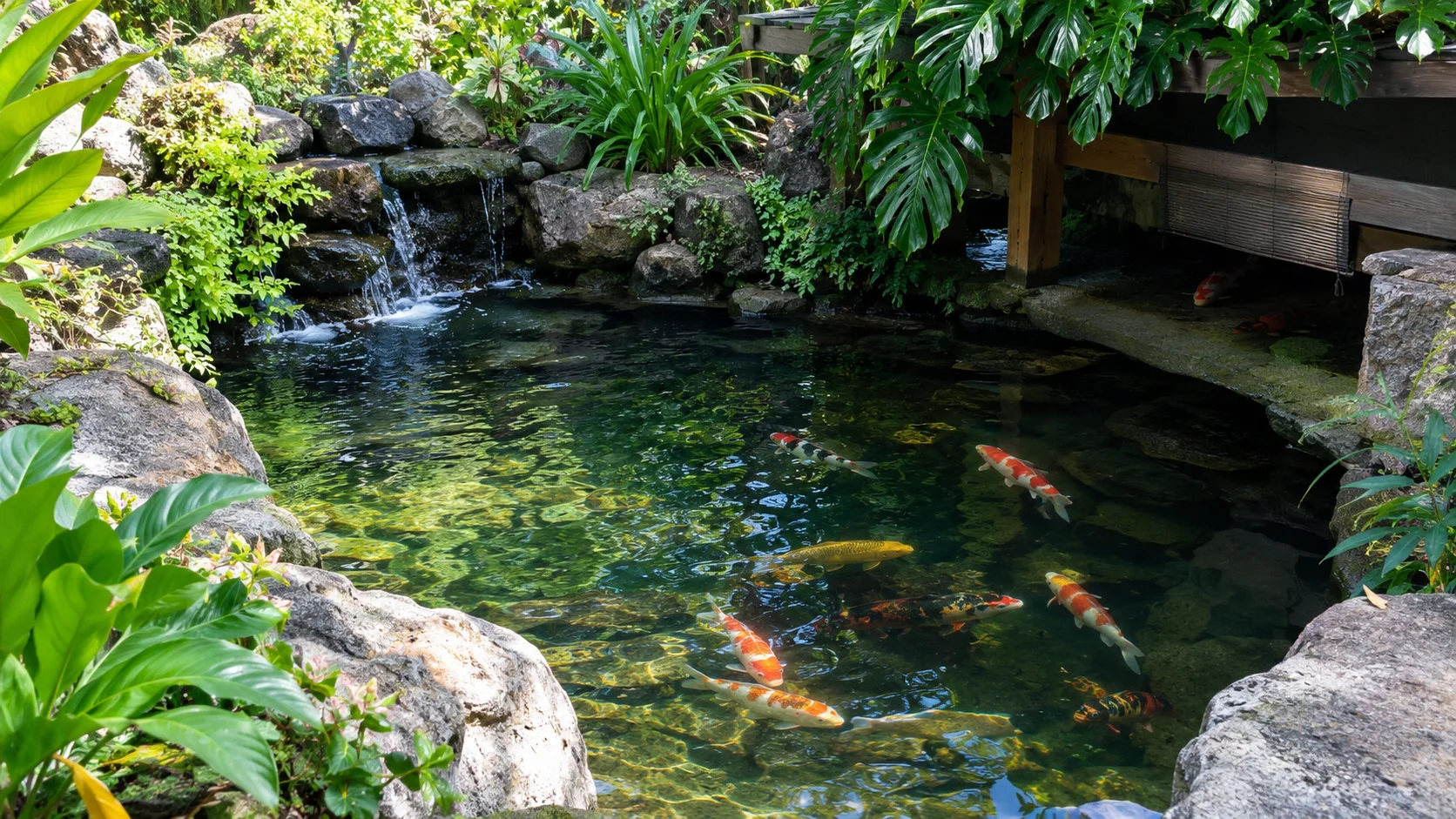
Koi fish need a variety of hiding places and shelter to feel safe and secure in their environment. Failing to provide adequate shelter can lead to stress and vulnerability to predators.
To avoid this, provide your koi with plenty of hiding places such as rocks, plants, and artificial caves. Make sure to also provide adequate water depth and aeration to ensure your fish can breathe and swim comfortably. For specific predator-deterrent strategies (herons, raccoons, cats), see our guide to protecting koi fish from predators.
Warning signs of inadequate shelter: fish hiding constantly rather than swimming normally, visible stress coloring, or sudden unexplained losses that may indicate predator access.
Conclusion
Taking care of koi fish requires diligence and attention to detail. By avoiding these common mistakes — and recognizing the real warning signs when something’s already going wrong — you can help ensure that your koi thrive in a healthy and happy environment. Remember to feed your koi the correct amount of food, monitor water quality, avoid overcrowding, quarantine new fish, and provide adequate shelter, and your koi will reward you with years of enjoyment and beauty.
FAQs
How much should I feed my koi?
Feed only what your koi can finish in 5 minutes or less, once or twice daily depending on water temperature and season.
How many koi can I keep per gallon?
Plan for roughly 250 gallons of water per adult koi, since they grow significantly larger than most pond fish.
How long should I quarantine new koi?
A minimum of two weeks, extended further if you notice any signs of illness during that period.
What water parameters should I test regularly?
pH, ammonia, nitrite, and nitrate are the core parameters — test weekly during active season, and immediately after any major change like new fish or heavy rain.
You may also like
- Koi Pond Volume Calculator
- How to Introduce New Koi to Your Pond
- How to Protect Koi Fish from Predators
- The Ultimate Guide to Koi Fish Food

Passionate about fish keeping since elementary school in the 1980s, Giovanni Carlo has dedicated countless hours to collecting and breeding a diverse array of ornamental freshwater fish. From vibrant guppies and majestic koi to striking bettas and classic goldfish, he continues to explore the fascinating world of aquatics, sharing knowledge and enthusiasm with fellow fish enthusiasts.