Giovanni Carlo

Passionate about fish keeping since elementary school in the 1980s, Giovanni Carlo has dedicated countless hours to collecting and breeding a diverse array of ornamental freshwater fish. From vibrant guppies and majestic koi to striking bettas and classic goldfish, he continues to explore the fascinating world of aquatics, sharing knowledge and enthusiasm with fellow fish enthusiasts.

Koi and Lotus Meaning: Why This Symbol Pairing Tells a Complete Story

Quick Answer Koi and lotus together symbolize the journey from struggle to enlightenment: the lotus represents purity and spiritual awakening (growing from muddy water into a pristine flower), while the koi represents perseverance and transformation (swimming upstream to become a dragon). Combined, they’re one of the most popular tattoo and jewelry pairings in East Asian

Koi and Lotus Meaning: Why This Symbol Pairing Tells a Complete Story Read More »

Koi Fish Lucky: The History, Symbolism, and Meaning Behind the Legend

Quick Answer Koi fish are considered lucky in Japanese and Chinese culture, symbolizing perseverance, prosperity, and transformation — rooted in the legend of koi swimming upstream to become dragons. Color matters too: Kohaku (red/white) represents success, Yamabuki (yellow) wealth, and Asagi (blue) serenity. A well-placed koi pond near a home or business entrance, or koi-themed

Koi Fish Lucky: The History, Symbolism, and Meaning Behind the Legend Read More »

koi fish judging quality elegance

Koi Fish Judging Standards: The Complete 6-Criteria Breakdown

Quick Answer Modern koi judging scores six criteria: Figure (30 points), Color (20), Pattern (20), Quality (10), Elegance (10), and Imposing Appearance (10). This replaced the older 50/50/20 system (figure/color/pattern only), reflecting a shift from purely subtracting demerits toward recognizing a koi’s genuine merits — a fish with real charm can still win despite minor

Koi Fish Judging Standards: The Complete 6-Criteria Breakdown Read More »

5 Common Mistakes Koi Keepers Make and How to Avoid Them

Quick Answer The 5 most common koi keeping mistakes: overfeeding (feed only what’s eaten in 5 minutes), ignoring water quality (test pH, ammonia, and nitrate regularly), overcrowding (budget roughly 250 gallons per adult koi), skipping quarantine for new fish (2 weeks minimum), and failing to provide shelter from predators and sun. Koi fish are a

5 Common Mistakes Koi Keepers Make and How to Avoid Them Read More »

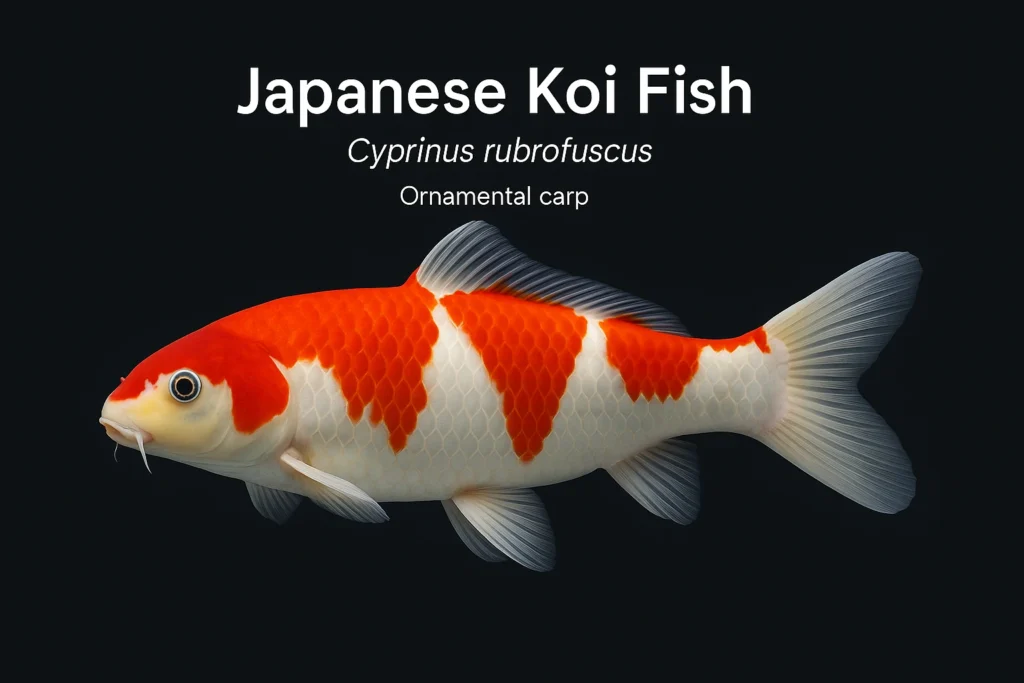
What Is a Japanese Koi Fish? A Beginner’s Guide

What Is a Japanese Koi Fish? A Beginner’s Guide

Quick Answer A Japanese koi fish is a high-quality ornamental carp selectively bred in Japan (originating in Niigata Prefecture in the early 1800s) for vibrant color, balanced pattern, strong body shape, and established bloodlines. “Japanese koi” and “regular koi” are the same species — the difference is generations of selective breeding, which shows up in

What Is a Japanese Koi Fish? A Beginner’s Guide Read More »

koi fish craft water color painting

Unleash the Beauty of Koi Fish Craft: A Guide to Adding Japanese Culture to Your Decor

Quick Answer Koi fish craft spans jewelry, paintings, origami, and pottery, with cardboard koi fish being one of the most popular kid-friendly DIY projects — rolled paper tubes, cut cardboard fins, and acrylic paint come together into a simple 3D fish sculpture. A genuinely good watercolor option for koi-themed art specifically is Sakura’s “Koi” watercolor

Unleash the Beauty of Koi Fish Craft: A Guide to Adding Japanese Culture to Your Decor Read More »

Koi Fish Sculptures: From Bronze to Stone, Exploring the Medium

Quick Answer Koi fish sculptures come in several mediums, each with real trade-offs: bronze is the most durable and widely available outdoor option, genuine stone pieces are typically artisan-commissioned rather than mass-market, and resin or ceramic alternatives offer a budget-friendly, weather-resistant middle ground. Choice of material should match where the piece will actually live —

Koi Fish Sculptures: From Bronze to Stone, Exploring the Medium Read More »