


Quick Answer
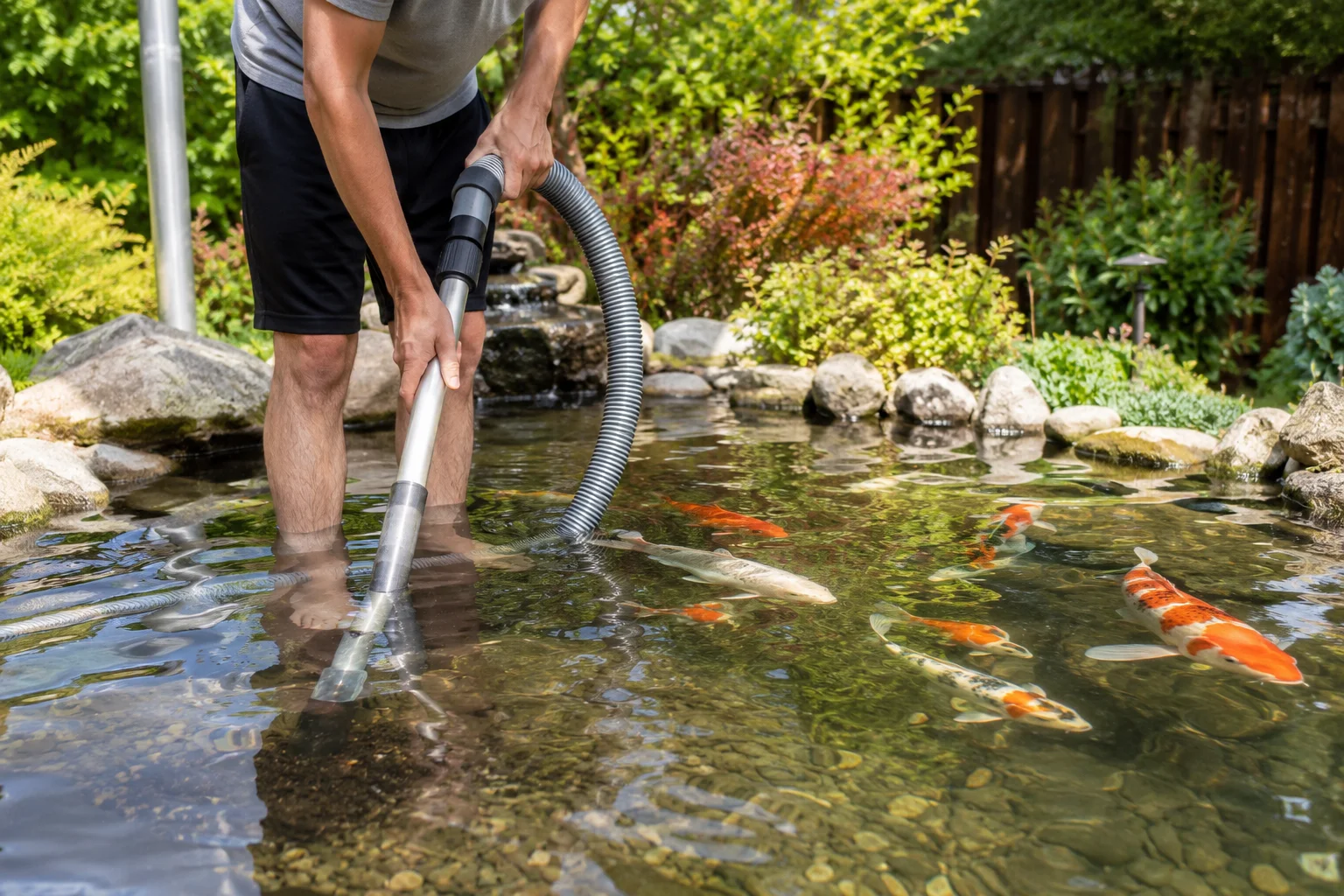
The fastest way to remove pond sludge is a dedicated pond vacuum, which physically pulls muck, fish waste, and decaying debris off the bottom without draining the pond. For ongoing maintenance between vacuum sessions, a bacteria-based sludge remover breaks down waste continuously so it never builds up as thick. Most experienced koi keepers use both together rather than relying on just one method.
Sludge is one of those problems that sneaks up on you. It doesn’t happen overnight — it builds up quietly at the bottom of the pond from fish waste, uneaten food, and decaying plant matter until one day the water looks duller than it used to and you can’t remember the last time you saw the bottom clearly. I’ve been keeping koi since the 1980s, and if there’s one maintenance task that gets skipped more than any other, it’s this one — mostly because people don’t realize there’s equipment built specifically for it.
This guide breaks down when to use a pond vacuum versus a bacterial sludge remover, which models actually hold up, and how to keep sludge from becoming a recurring problem in the first place.
Table of Contents
- Why Does Sludge Build Up in Koi Ponds?
- Pond Vacuum vs. Bacterial Sludge Remover: Which Do You Need?
- What’s the Best Pond Vacuum for Koi Ponds?
- Vacuum & Sludge Remover Comparison Table
- What’s the Best Bacterial Sludge Remover?
- How Do You Vacuum a Koi Pond Without Stressing Your Fish?
- How Do You Prevent Sludge From Building Up Again?
- FAQs
Why Does Sludge Build Up in Koi Ponds?

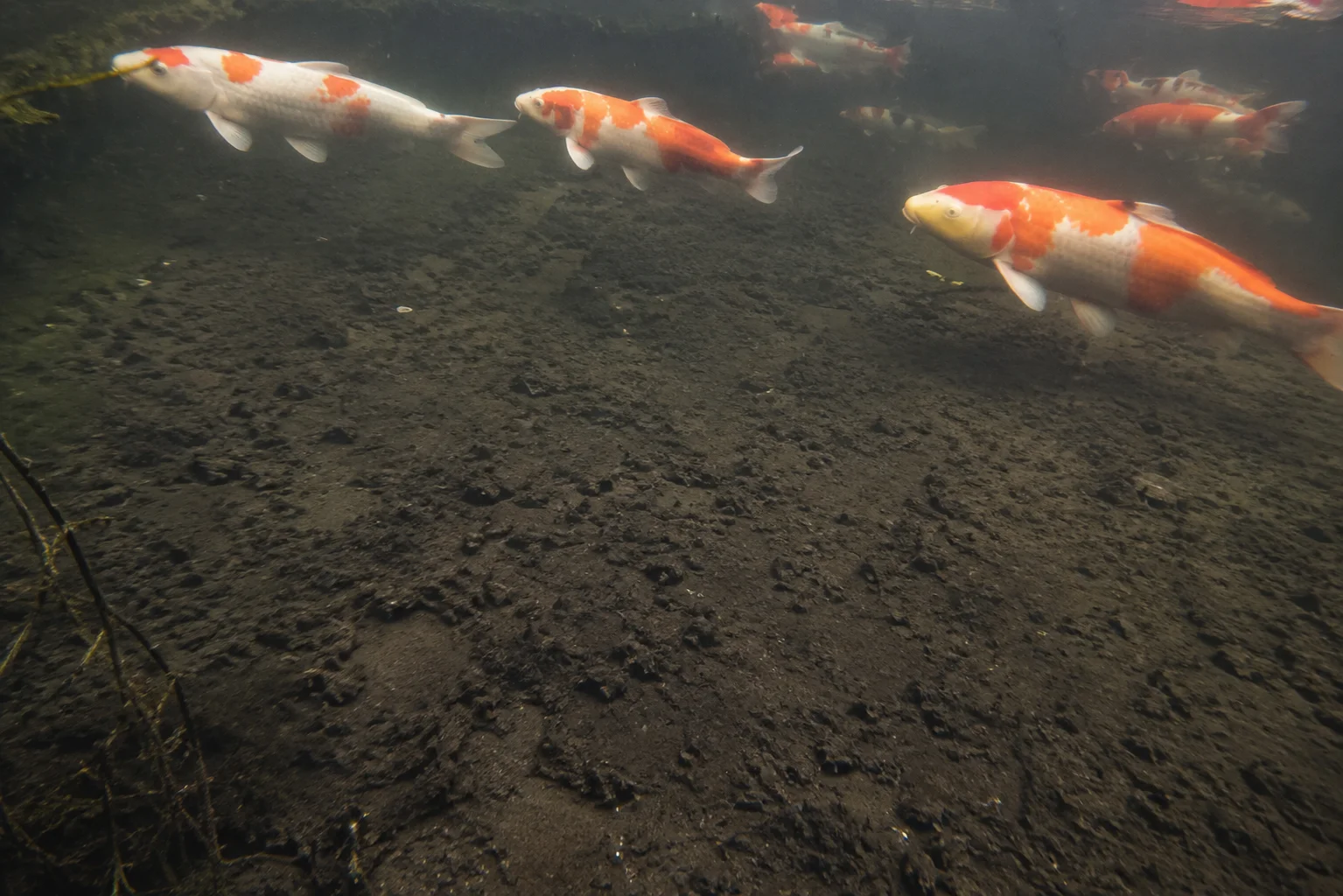
Koi are messy eaters and even messier digesters — a well-stocked pond produces a steady stream of solid waste every day. Combine that with uneaten food, dead algae, and leaves that slip past your netting, and you get a layer of organic muck settling on the pond floor. Even ponds with strong filtration accumulate sludge over time, because filters are designed to handle suspended particles in the water column, not material that’s already settled on the bottom.
Pond Vacuum vs. Bacterial Sludge Remover: Which Do You Need?
These two tools solve the same problem in different ways, and most ponds benefit from both:
- Pond vacuums physically remove sludge in one session — ideal for a pond that’s already visibly thick with muck, or for a seasonal deep clean in spring and fall.
- Bacterial sludge removers work continuously, breaking waste down at the molecular level so it never has the chance to accumulate as heavily between cleanings.
If your pond has a rock or gravel bottom, bacterial treatment matters even more, since vacuuming around rocks is far less effective than vacuuming a flat liner bottom.
What’s the Best Pond Vacuum for Koi Ponds?
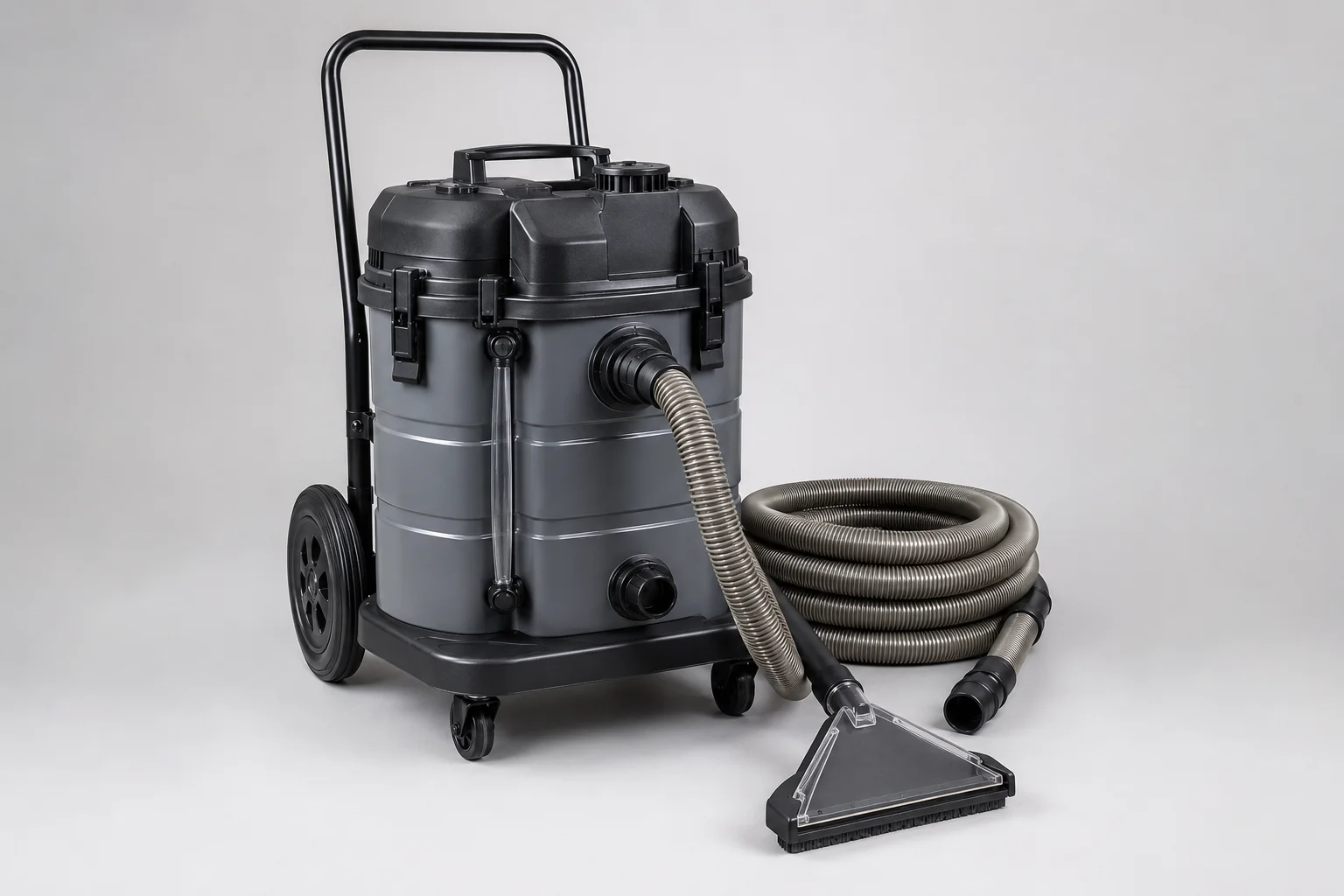
Look for a dual-chamber design, since it lets the vacuum fill and empty in alternating cycles for continuous suction instead of stopping every few minutes to drain. Motor wattage and maximum suction depth are the two specs that matter most — the higher the wattage, the more suction power at greater depths.
OASE PondoVac 4 Pond Vacuum Cleaner
The most powerful option on this list and a favorite among serious koi keepers with larger ponds. The dual-chamber system means you’re not constantly waiting for it to drain, and the motor has enough power to pull thick, settled sludge without clogging.
Check Price on Amazon →OASE PondoVac 3 Pond Vacuum Cleaner
Slightly less powerful than the PondoVac 4 but still a dual-chamber, continuous-operation unit — a good balance of price and performance for mid-size koi ponds.
Check Price on Amazon →OASE PondoVac Classic Pond Vacuum Cleaner
A reliable entry point if you’re vacuuming a smaller pond or don’t need continuous non-stop suction. It cycles between filling and draining rather than running continuously, which means slower overall cleaning but a noticeably lower price.
Check Price on Amazon →The Pond Guy ClearVac Pond Vacuum
A solid non-OASE alternative built specifically with koi safety in mind — the manufacturer designed it as a controlled cleaning tool rather than a repurposed shop vacuum, which matters when you’re working around live fish.
Check Price on Amazon →Vacuum & Sludge Remover Comparison Table
| Product | Type | Best For | Key Spec | |
|---|---|---|---|---|
| OASE PondoVac 4 | Vacuum | Larger ponds, heavy sludge | 1800W, dual-chamber | View |
| OASE PondoVac 3 | Vacuum | Mid-size ponds | 1600W, dual-chamber | View |
| OASE PondoVac Classic | Vacuum | Small ponds, tight budgets | 1400W, single-chamber | View |
| The Pond Guy ClearVac | Vacuum | Koi-specific controlled cleaning | 1600W, dual-chamber | View |
| API Pond-Zyme Sludge Destroyer | Bacterial treatment | Ongoing maintenance between cleanings | 1 lb container, treats up to 16,000 gal | View |
What’s the Best Bacterial Sludge Remover?

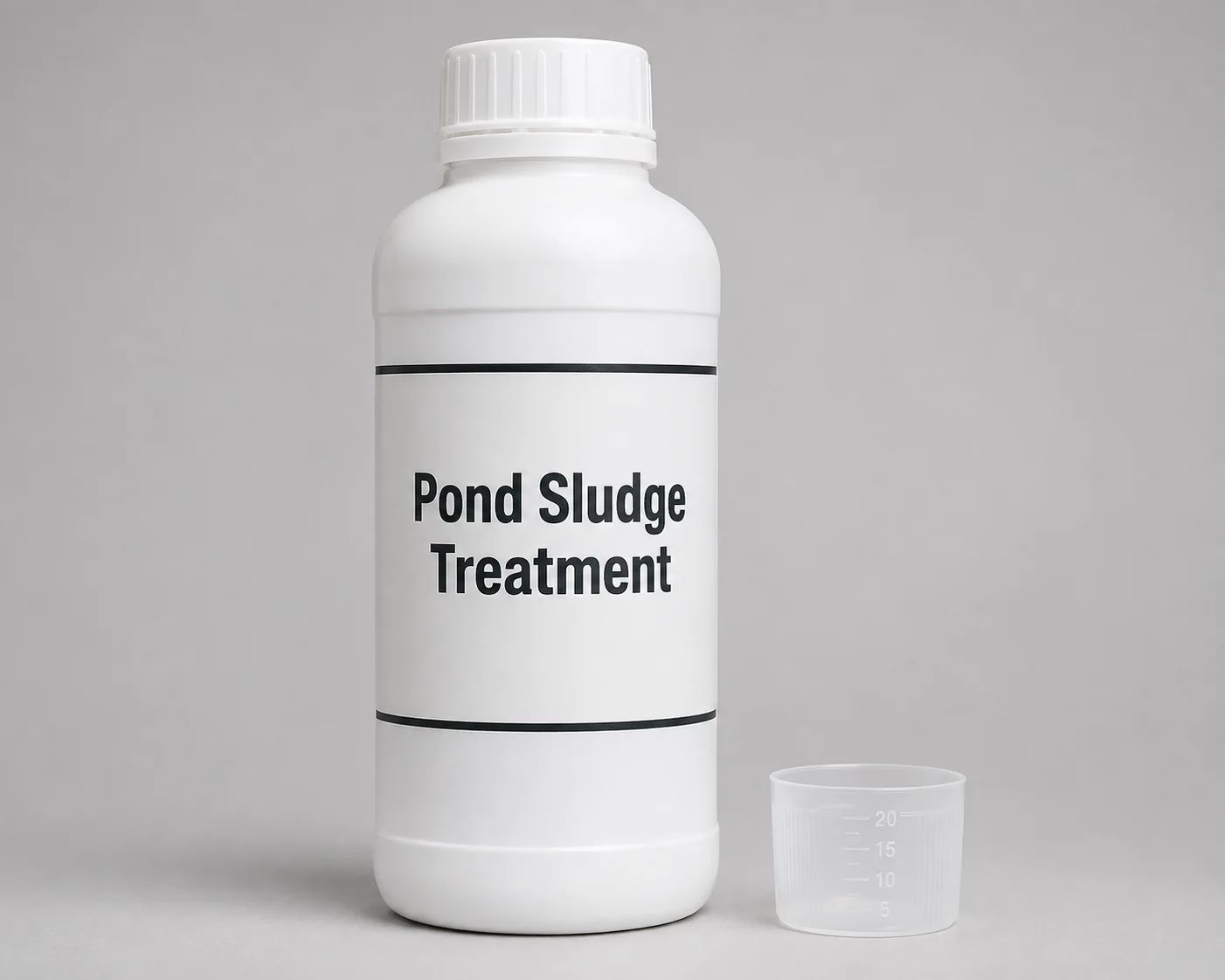
Bacterial treatments won’t replace a vacuum for an already-thick sludge layer, but they’re essential for keeping things from getting that bad again. Look for a product with natural bacterial strains that specifically target fish waste and decaying organic matter, not just water clarifiers that only address suspended particles.
API Pond-Zyme Sludge Destroyer, 1-Pound Container
A well-established, widely used bacterial cleaner that breaks down fish waste and dead algae continuously. Apply twice a week for the first two weeks during pond start-up, then drop to every other week for regular maintenance.
Check Price on Amazon →How Do You Vacuum a Koi Pond Without Stressing Your Fish?
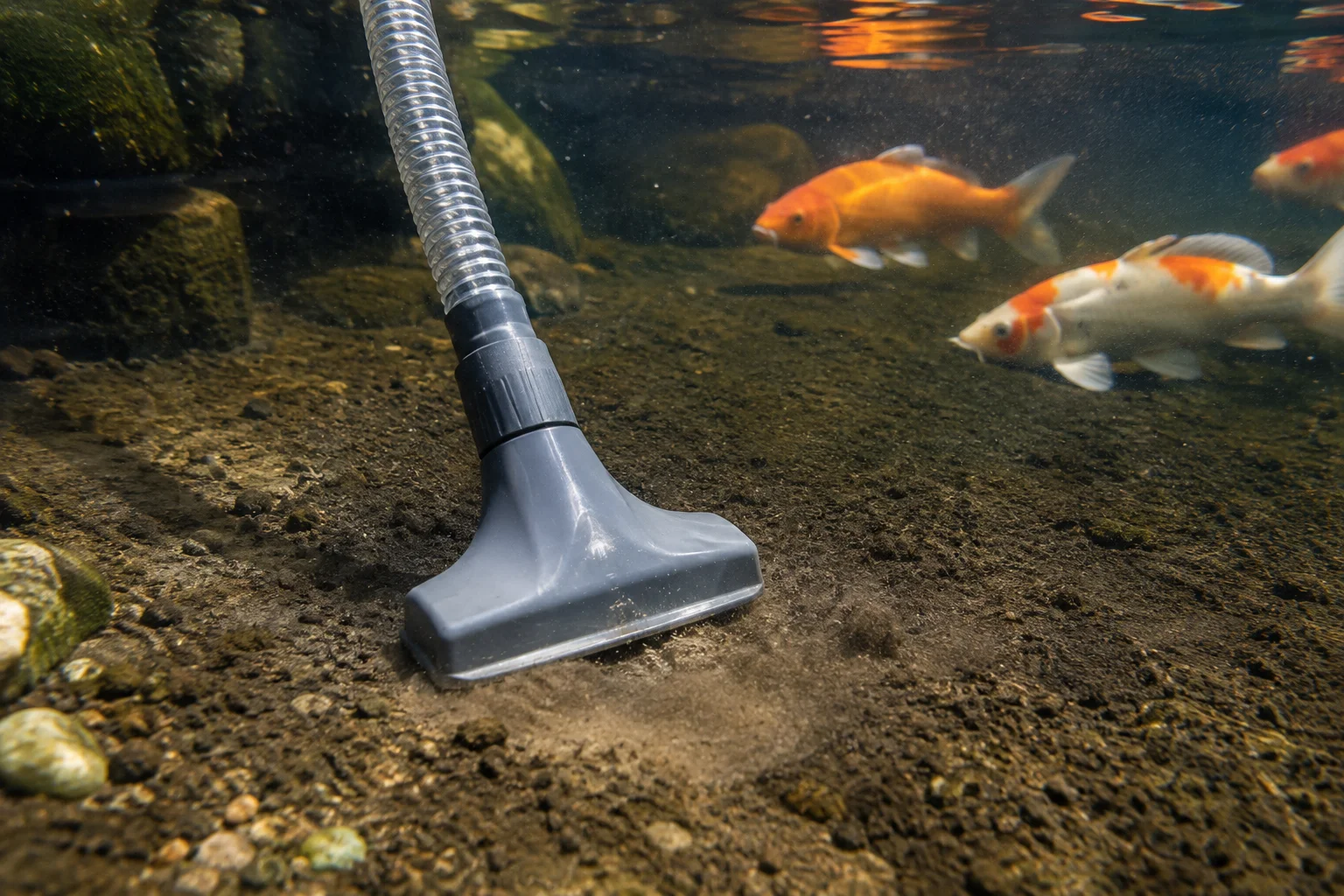
- Net your koi into a holding tub first if your pond is small enough — vacuuming around active fish increases the chance of accidentally stressing or injuring them.
- Move the intake hose slowly and evenly across the bottom rather than jabbing at concentrated sludge spots, which stirs up more debris than it removes.
- Keep the vacuum at water level rather than elevated, since most pond vacuums are designed for optimal suction at that height.
- Don’t vacuum 100% of the sludge in one session on an established pond — a thin layer supports beneficial bacteria colonies. Aim for a deep clean, not a sterile bottom.
How Do You Prevent Sludge From Building Up Again?
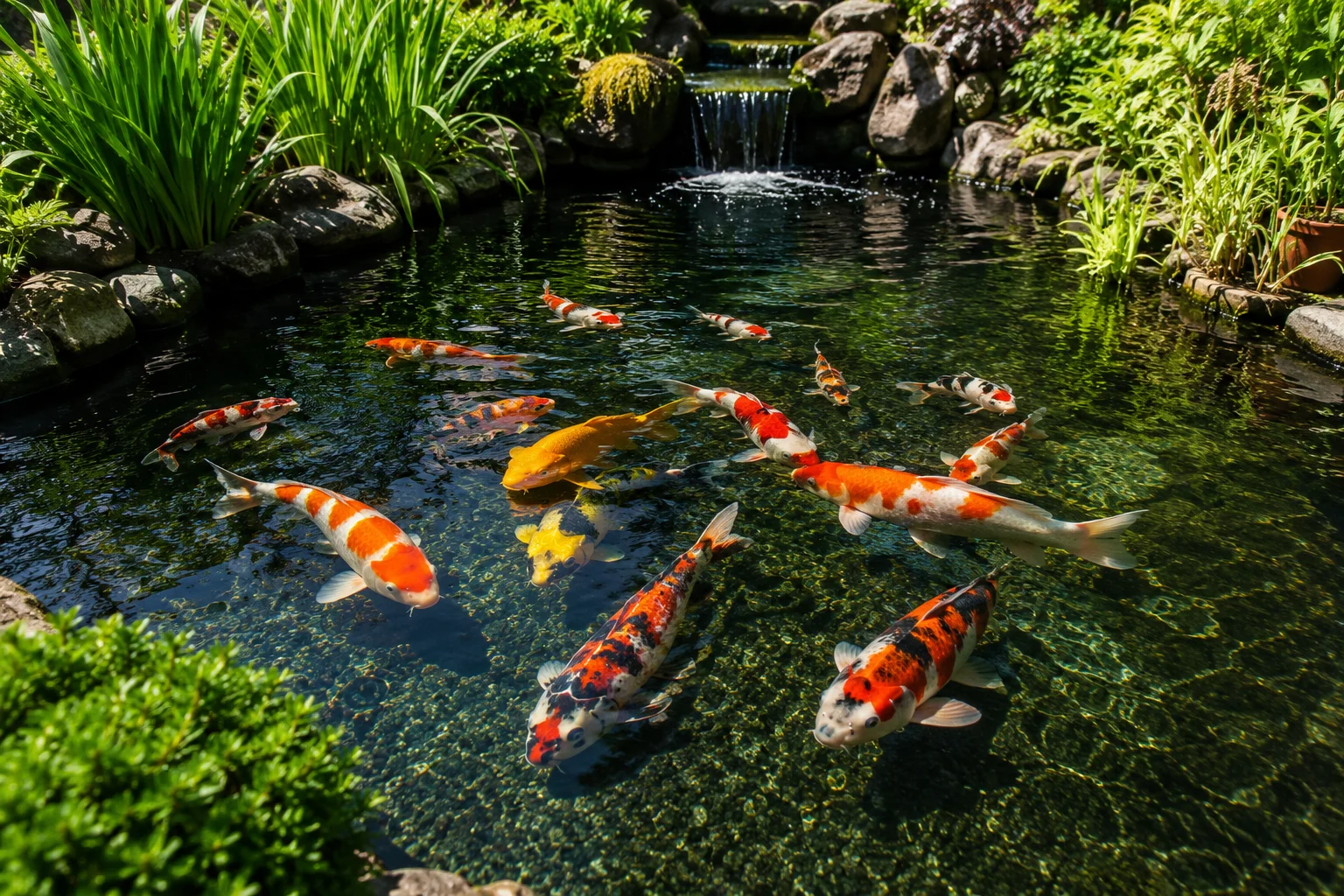
The most effective long-term strategy combines all three habits: feed only what your koi can finish in a few minutes to reduce uneaten food waste, keep leaf netting in place during autumn to stop organic debris from entering the water, and dose a bacterial sludge remover on a regular schedule rather than waiting until the pond already looks murky. Vacuuming then becomes an occasional deep-clean rather than a rescue mission.
Frequently Asked Questions
How often should I vacuum my koi pond?
Most koi keepers vacuum twice a year — once in spring to clear out winter buildup and once in fall before temperatures drop. Heavily stocked ponds or ponds without a bacterial treatment routine may need it more often.
Can I vacuum my pond with koi still in it?
It’s possible in larger ponds if you work carefully and keep the intake hose away from the fish, but for smaller ponds it’s safer to net your koi into a holding tub for the duration of the cleaning.
Do bacterial sludge removers actually work?
Yes — natural bacterial strains genuinely break down organic waste at the molecular level. They work more slowly than a vacuum, though, so they’re better suited to ongoing maintenance than to an already heavily sludged pond.
Will a pond vacuum hurt my koi if it accidentally gets close?
Purpose-built pond vacuums are designed with koi safety in mind and use a controlled suction depth, unlike a household shop vacuum. Even so, it’s best practice to keep the intake hose away from fish rather than relying on the equipment alone.
Do I need both a vacuum and a bacterial treatment?
For most established ponds, yes. The vacuum handles the sludge that’s already accumulated, while the bacterial treatment keeps new waste from building up as quickly between cleanings.

Koi keeper and breeder since the 1980s, running a backyard koi and aquaculture operation in Labangan, Zamboanga del Sur. Giovanni writes hands-on care guides based on decades of experience raising koi, goldfish, and other ornamental fish.


Passionate about fish keeping since elementary school in the 1980s, Giovanni Carlo has dedicated countless hours to collecting and breeding a diverse array of ornamental freshwater fish. From vibrant guppies and majestic koi to striking bettas and classic goldfish, he continues to explore the fascinating world of aquatics, sharing knowledge and enthusiasm with fellow fish enthusiasts.