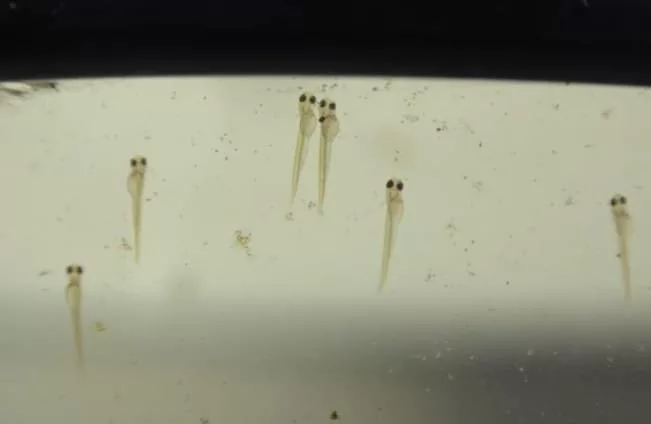
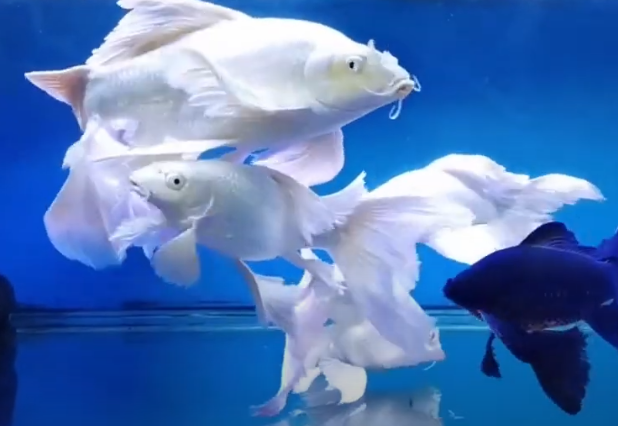
koi fish

koi fish facts and information specifically was known as Nishikigoi
are colored varieties of common carp (Cyprinus carpio) that are
kept for decorative purposes in outdoor, outdoor koi pond and
water gardens throughout the world learn more about the koi fish
here like koi fish care and koi fish breeding

oil paintings for sale oil paintings for sale 9 koi fish feng shui with lotus flower

Ki Utsuri Koi: The Complete Guide to the Rarest Utsuri

Quick Answer Ki Utsuri is the oldest and rarest of the three Utsurimono koi varieties, pairing a deep black (sumi) base with bright yellow (ki) markings. It was the first Utsuri type developed, but its yellow pigment is notoriously hard to breed consistently — which is why it’s rarer today than the later Hi Utsuri

Ki Utsuri Koi: The Complete Guide to the Rarest Utsuri Read More »

Hi Utsuri Koi: The Complete Guide to Kiwa, Care & Price

Quick Answer Hi Utsuri is a Japanese koi variety with a jet-black (sumi) base overlaid with bold red (hi) markings. It’s part of the Utsurimono family alongside Shiro Utsuri (white) and Ki Utsuri (yellow), and is prized for sharp kiwa (the edge where red meets black) and clean, unbroken sumi that wraps the body rather

Hi Utsuri Koi: The Complete Guide to Kiwa, Care & Price Read More »

types of koi kohaku koi

Kohaku Koi: History, Judging Terms & Every Pattern Type Explained

Quick Answer Kohaku is a koi variety with a white body (Shiroji) and red markings (Hi), and it’s the founding member of the “Gosanke” — the three most prized koi varieties alongside Sanke and Showa. Quality is judged on the whiteness of the skin, the depth and evenness of the red, sharp clean edges between

Kohaku Koi: History, Judging Terms & Every Pattern Type Explained Read More »

Koi Pond Maintenance Schedule: Daily, Weekly, Monthly & Seasonal Checklist

Quick Answer Koi pond maintenance breaks down into four cadences: daily (remove debris, check fish behavior), weekly (test pH/ammonia/nitrite, clean skimmer basket), monthly (deep-clean filter media, inspect equipment), and seasonal (spring startup, fall shutdown prep). Feeding and testing frequency should also shift with water temperature — stop feeding below 50°F, switch to wheat-germ food between

Koi Pond Maintenance Schedule: Daily, Weekly, Monthly & Seasonal Checklist Read More »

Lotus flower

Best Plants for Koi Ponds: 7 Species by Category (+ What Koi Won’t Eat)

Quick Answer The best koi pond plants fall into four categories: submerged/oxygenating (hornwort, eelgrass), floating (water hyacinth, water lettuce, water lily), marginal (scouring rush, water smartweed), and bog plants for the pond’s damp edges. Koi will nibble roots and leaves on some species (hyacinth, lily, lettuce) but generally avoid others (lotus, horsetail, eelgrass). A balanced

Best Plants for Koi Ponds: 7 Species by Category (+ What Koi Won’t Eat) Read More »

How to Make DIY Koi Food: Recipes, Protein Targets & Seasonal Feeding

Quick Answer Homemade koi food should hit 35–40% protein from sources like shrimp, krill, or fish, bound together with unflavored gelatin (about 20g per 500g of wet mix), then frozen in small portions. Feeding needs change with water temperature: high-protein growth food in summer, light wheat-germ-based food in spring and fall, and little to none

How to Make DIY Koi Food: Recipes, Protein Targets & Seasonal Feeding Read More »

Buying Koi Fish: Price Guide, Grading & What to Look For

Quick Answer Koi fish range from $10–$50 for domestic juveniles to $1,000–$50,000+ for champion-grade imported Japanese koi — the record sale was $1.8 million. Price is driven by four grading factors: body conformation, color depth, pattern quality, and skin clarity. When buying, check for clear eyes, smooth undamaged scales, active swimming, and buy only from

Buying Koi Fish: Price Guide, Grading & What to Look For Read More »

Koi Pond Filter Guide: How to Size, Choose & Install the Right System

Quick Answer Your koi pond filter needs to circulate your entire pond volume every 1–2 hours (GPH). The formula: Pond Volume × Turnover Multiplier = Required GPH. Light stocking uses a 1x multiplier, moderate stocking 1.25–1.5x, and heavily stocked ponds need 1.5–2x. A good system combines mechanical filtration (traps debris) with biological filtration (beneficial bacteria

Koi Pond Filter Guide: How to Size, Choose & Install the Right System Read More »