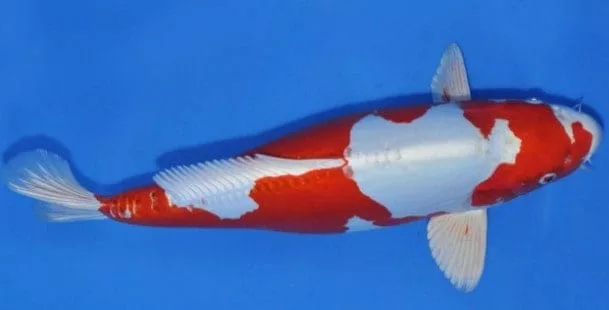
koi fish

koi fish facts and information specifically was known as Nishikigoi
are colored varieties of common carp (Cyprinus carpio) that are
kept for decorative purposes in outdoor, outdoor koi pond and
water gardens throughout the world learn more about the koi fish
here like koi fish care and koi fish breeding

oil paintings for sale oil paintings for sale 9 koi fish feng shui with lotus flower

The Red Koi and Love: A Symbol of Eternal Romance in Japan

Quick Answer In Japan, red koi symbolize love, passion, and enduring romance — a tradition tied to the color red’s association with strong emotion in Japanese culture. Couples visiting koi ponds together, matching red koi tattoos, and red koi motifs in wedding decor all reflect this belief that watching red koi together strengthens a relationship’s

The Red Koi and Love: A Symbol of Eternal Romance in Japan Read More »

The White Koi and Purity: Symbolism and Real Varieties

Quick Answer White koi symbolize purity, clarity, and new beginnings in Japanese culture — a clean slate compared to the more complex meanings layered onto multi-colored patterns. “White koi” actually covers several distinct varieties: Shiro Bekko (black spots on white), Shiro Muji (solid matte white with no pattern), Platinum Ogon (solid metallic white), and Shiro

The White Koi and Purity: Symbolism and Real Varieties Read More »

Koi Fish Meaning of Love: Two Koi, Colors, and Symbolism

Quick Answer Koi symbolize love and romance in Japanese culture, with two koi swimming together specifically representing a couple’s partnership, loyalty, and enduring bond — a popular image for weddings and anniversaries. Color adds a second layer: red for passion, white for pure or young love, and black for a relationship that’s overcome real adversity.

Koi Fish Meaning of Love: Two Koi, Colors, and Symbolism Read More »

Japanese Koi vs. Local Koi: What Actually Makes the Difference

Quick Answer There’s no genetic wall separating “Japanese” koi from domestic or local koi — many domestic breeders use imported Japanese parent stock (oyagoi) themselves. The real quality gap comes from breeding practice: Japanese breeders typically cull far more rigorously, select parent fish more carefully, and specialize in fewer varieties across generations of accumulated knowledge.

Japanese Koi vs. Local Koi: What Actually Makes the Difference Read More »

metronidazole for fish

Metronidazole for Fish: Dosage, Uses, and Safety Guide

Quick Answer Metronidazole treats internal flagellate parasites (Hexamita/Spironucleus, the cause of hole-in-the-head disease and bloat) and some anaerobic bacterial infections in fish. It doesn’t treat fungus, external parasites, worms, or external bacterial issues like fin rot. Medicated food works best if the fish is still eating (Hexamita lives in the gut); a water bath treatment

Metronidazole for Fish: Dosage, Uses, and Safety Guide Read More »

10 Fun Facts About Koi Fish You Probably Didn’t Know

Quick Answer Koi were originally bred as food fish in China over 2,000 years ago before Japanese breeders turned them ornamental in the 1800s. They can recognize individual people, grow up to 3 feet long, live for decades (one famous fish reportedly for over two centuries), and a single show-quality specimen has sold for roughly

10 Fun Facts About Koi Fish You Probably Didn’t Know Read More »