Quick Answer
Catching koi safely requires a fine-mesh koi net or sock (not a standard garden net), calm and slow movements, wet hands to protect their slime coat, and minimizing air exposure during transfer. Avoid chasing the fish, catch during early morning or evening when koi are less active, and only catch when genuinely necessary — health checks, relocation, or breeding.
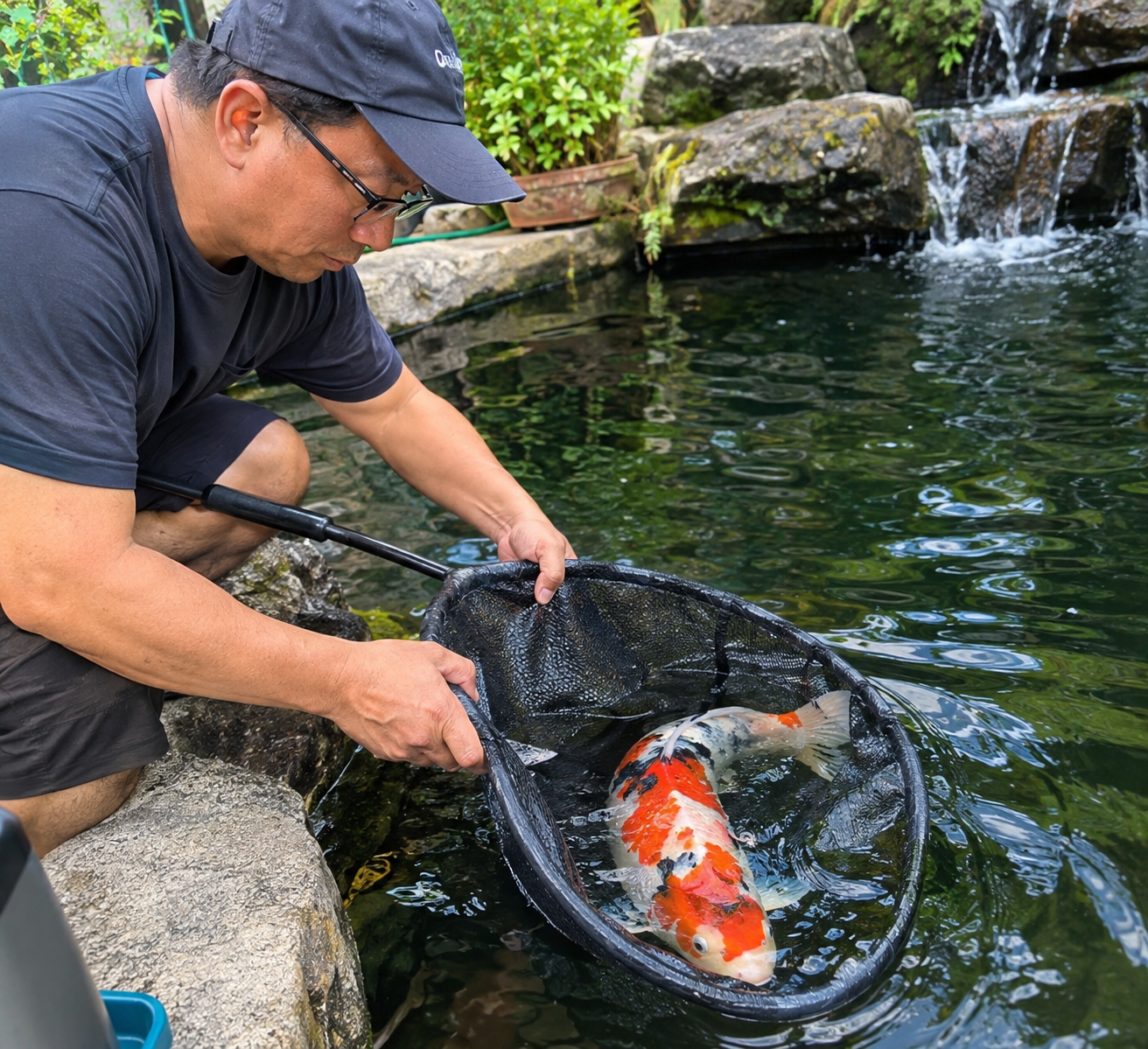
How to Catch Koi: A Comprehensive Guide
The mesmerizing dance of koi fish, with their vibrant colors and graceful movements, has captivated hearts for centuries. But what if you desire to bring these living jewels closer, perhaps for inspection, relocation, or simply the thrill of the catch? While seemingly serene, catching koi requires skill, patience, and respect for their well-being. This guide delves into the intricacies of koi capture, equipping you with the knowledge to approach this endeavor ethically and effectively.
Before the Plunge: Essential Preparations
- Know the why: Clearly define your purpose for catching the koi. Is it for health checks, relocation, or breeding? This dictates the method and equipment chosen.
- Respectful approach: Koi are not merely objects of amusement. Handle them with utmost care, minimizing stress and harm. Ensure water quality is optimal and weather conditions are suitable.
- Gather the gear: A fine-mesh koi net suitable for the pond size is crucial. Choose a net with a deep bag to minimize handling. Other essentials include a holding container, gloves, and a sock net for gentle transfers.

🎣 Aquascape Koi Sock Net for Pond Fish
Soft, coarse black mesh specifically designed to prevent damage to fins and scales during transfer — exactly the gentle handling approach this guide recommends.
🛒 Check Price on Amazon →Conquering the Vastness: Catching Koi in a Big Pond
Large ponds present additional challenges. Patience and planning are key:
- Strategic positioning: Choose a calm area away from distractions like waterfalls or filters. Observe the koi’s swimming patterns and anticipate their movements.
- Lure with caution: Bait can be tempting, but use sparingly. Natural options like peas, bloodworms, or silkworm pupae minimize water pollution. Avoid bread, which is harmful to koi health.
- Silent stalk: Move slowly and deliberately, avoiding sudden gestures that spook the fish. Gently guide them towards a shallow area or corner.
- The netting maneuver: Scoop the net swiftly yet smoothly beneath the koi, ensuring its entire body is submerged. Avoid chasing, as this can stress the fish.
- Calm transfer: Gently lift the net and transfer the koi to a pre-filled holding container with adequate water volume and aeration. Minimize air exposure.
🎣 United Aquatics Koi Net Sock with Handle
A heavy-duty net with a solid aluminum handle, built specifically to keep stress and scale damage to a minimum during the netting maneuver.
🛒 Check Price on Amazon →Baiting the Beauty: What Entices Koi?
While not always necessary, bait can be a helpful tool:
- Natural choices: Opt for foods koi are accustomed to, like high-quality fish food pellets, chopped earthworms, or bloodworms. These are readily available and minimize water quality concerns.
- Sweet seduction: Boiled peas, sweet corn kernels, or melon chunks can be tempting, but use sparingly due to potential water pollution.
- Homemade delights: Create dough balls using fish food, flour, and water. This keeps the bait together and avoids introducing harmful ingredients.
Beyond the Hook: Alternative Catching Methods
For specific situations, alternative methods might be suitable:
- Trapping: Consider humane traps baited with food. However, ensure they are escape-proof and monitored regularly to prevent prolonged confinement.
- Angling: While uncommon, using specialized koi hooks and bait can work in controlled settings. Release koi gently and unharmed after inspection.
- Professional assistance: For large ponds or delicate situations, seeking help from experienced koi handlers is recommended.
Extracting Elegance: Getting Koi Out of a Pond Safely
Once netted, handle the koi with reverence:
- Wet hands: Always keep your hands wet to protect the koi’s delicate slime coat.
- Minimize handling: Transfer the koi swiftly from the net to the holding container. Avoid prolonged air exposure.
- Support and stability: Cradle the koi gently in your cupped hands, supporting its entire body weight.
- Quick release: If releasing the koi back into the pond, submerge the holding container slowly, allowing it to acclimate to the water temperature.
🎒 KoiMaster Heavy Duty Live Koi Fish Transport Bags
USDA/FDA food-contact grade, leak-resistant bags — the right holding container if you need to transport koi somewhere beyond your own pond, such as to a vet or a show.
🛒 Check Price on Amazon →Remember
- Never chase koi. This can cause undue stress and injury.
- Handle koi with utmost care. Avoid squeezing or grabbing them.
- Use nets specifically designed for koi. Avoid rough materials that can damage their scales.
- Maintain water quality during the process.
- Only catch koi if absolutely necessary. Admire their beauty from afar whenever possible.
Bonus Tips
- Catch koi early morning or late evening when they are less active.
- Use a net larger than the koi to avoid injuring it during capture.
- If transporting koi, ensure the container is well-oxygenated and large enough for them to move freely.
- Acclimate koi to their new environment slowly to avoid temperature shock.
Conclusion: A Rewarding Pursuit, Undertaken with Responsibility
Catching koi can be a captivating experience, offering a closer look at these mesmerizing fish. However, remember, it’s a privilege, not a right. By prioritizing their well-being throughout the process, you ensure a positive outcome for both the koi and yourself. Approach this task with patience, respect, and the knowledge gleaned from this guide, and you’ll be well on your way to a successful and responsible capture.
FAQs
Is it legal to catch koi in my pond?
Yes, catching koi in your own private pond is legal — these guidelines are about doing so safely and with minimal stress to the fish, not about legality.
How often can I catch koi?
Avoid frequent capture, as it can stress the fish. Limit it to necessary situations like health checks, relocation, or breeding under controlled conditions.
Can I use a fishing rod to catch koi?
In specific circumstances, using specialized koi hooks and gentle handling can be an option. However, this method requires expertise and is generally not recommended for beginners.
What should I do if I injure a koi during capture?
Seek immediate veterinary assistance from a specialist familiar with koi health.
Where can I buy koi-specific nets and equipment?
Many pet stores and online retailers offer koi nets, sock nets, holding containers, and other specialized equipment designed to minimize stress during handling.
You may also like


Passionate about fish keeping since elementary school in the 1980s, Giovanni Carlo has dedicated countless hours to collecting and breeding a diverse array of ornamental freshwater fish. From vibrant guppies and majestic koi to striking bettas and classic goldfish, he continues to explore the fascinating world of aquatics, sharing knowledge and enthusiasm with fellow fish enthusiasts.