


Quick Answer
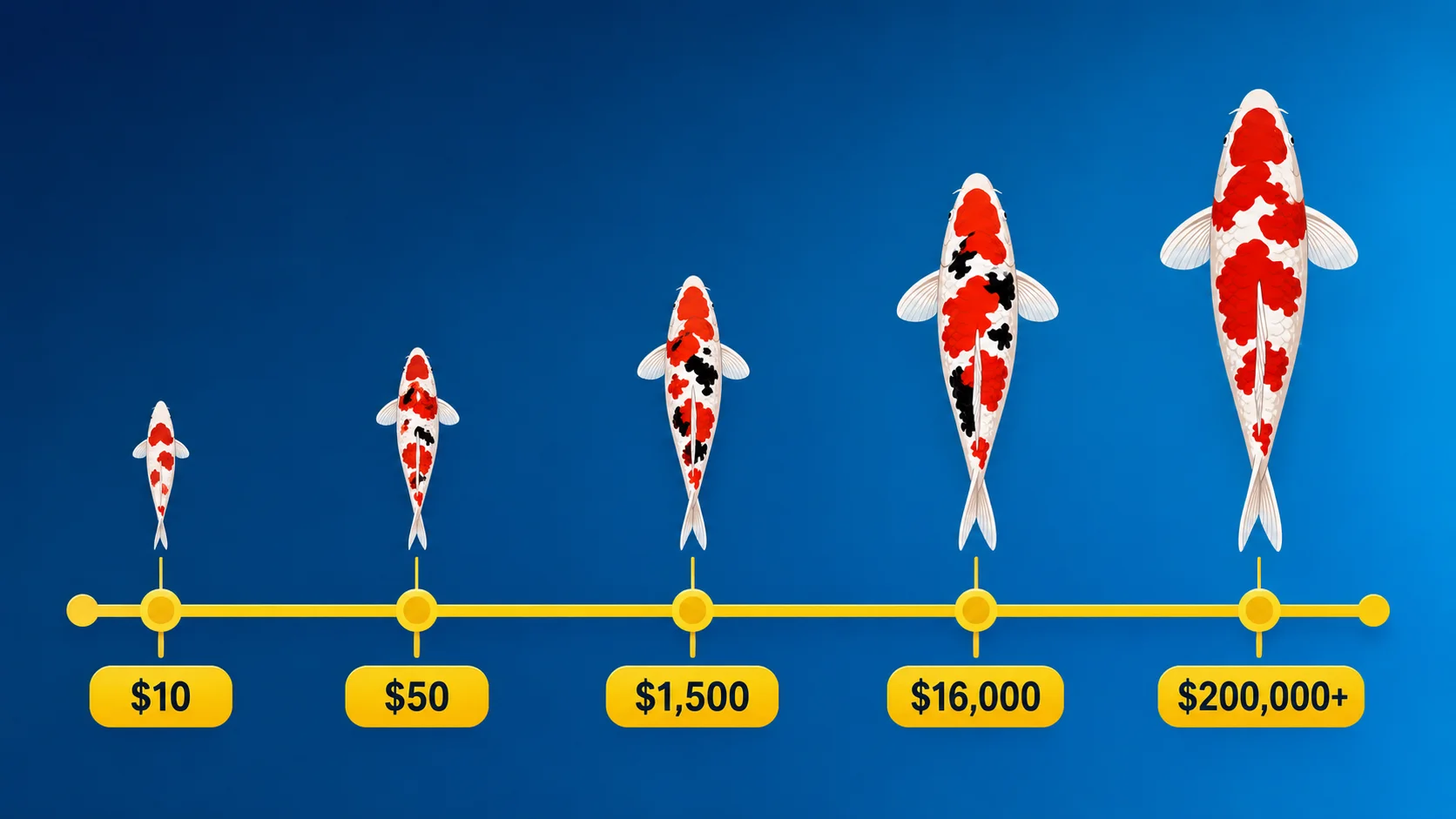
Koi fish range from $10–$50 for domestic juveniles to $1,000–$50,000+ for champion-grade imported Japanese koi — the record sale was $1.8 million. Price is driven by four grading factors: body conformation, color depth, pattern quality, and skin clarity. When buying, check for clear eyes, smooth undamaged scales, active swimming, and buy only from a reputable breeder or seller who can show you the fish’s health history.


Introduction
Koi fish (Cyprinus carpio) are ornamental carp selectively bred for their vibrant colors and patterns, originating in Japan over two centuries ago. Buying koi isn’t like buying any other pet fish — price, quality, and lineage vary enormously, and knowing what actually drives that variation is the difference between a healthy $50 pond koi and an expensive mistake.
How Much Does a Koi Fish Cost?
This is the number-one thing missing from most buying guides — a real breakdown by source and grade:
| Source / Grade | Typical Price | Notes |
|---|---|---|
| Domestic pet store koi | $10–$50 | Grade-A, usually 2–5 inches |
| Butterfly koi (imported, farm-raised) | $35–$650 | Often sourced from Israel or similar farms |
| US-farmed large/extra-large koi | $350–$2,500 | Advanced quarantine facilities |
| Imported Japanese koi (standard) | $100–$1,500 | Average quality, established bloodlines |
| Top Japanese farm, grade-AAA | $16,000–$200,000+ (auction bids) | Large to jumbo, grand champion contenders |
| Record sale | $1.8 million | A Kohaku named “S Legend,” sold in Japan |
Most backyard hobbyists never need to spend beyond the first three tiers — but understanding the full range explains why two koi that look similar in a photo can be priced 100x apart.
How Koi Are Graded: The 4 Factors That Set the Price
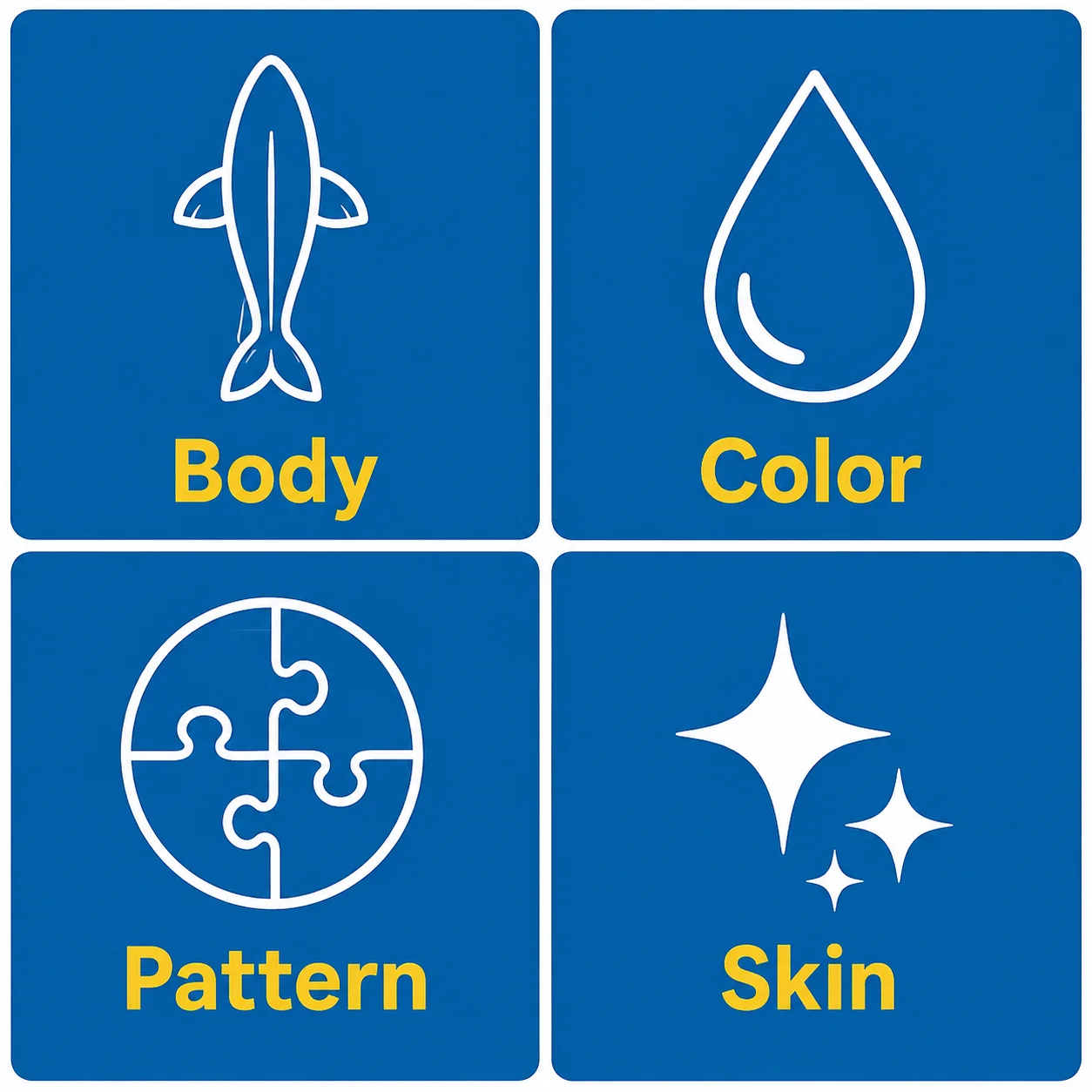
Breeders and judges evaluate koi on four criteria. Understanding these lets you judge quality yourself instead of relying entirely on a seller’s word:

| Factor | What to Look For |
|---|---|
| Body | Balanced, streamlined, symmetrical shape — no crooked spine, pinched body, or uneven fins |
| Color | Deep, consistent pigment (not just surface-level) — vivid reds, pure milky whites, dense blacks |
| Pattern | Crisp, clean edges between colors, no blurring or “dirty” blemishes near the head or nostrils |
| Skin | Smooth, glossy quality that makes the color underneath look luminous rather than flat |

Gosanke: The Most Valuable Class
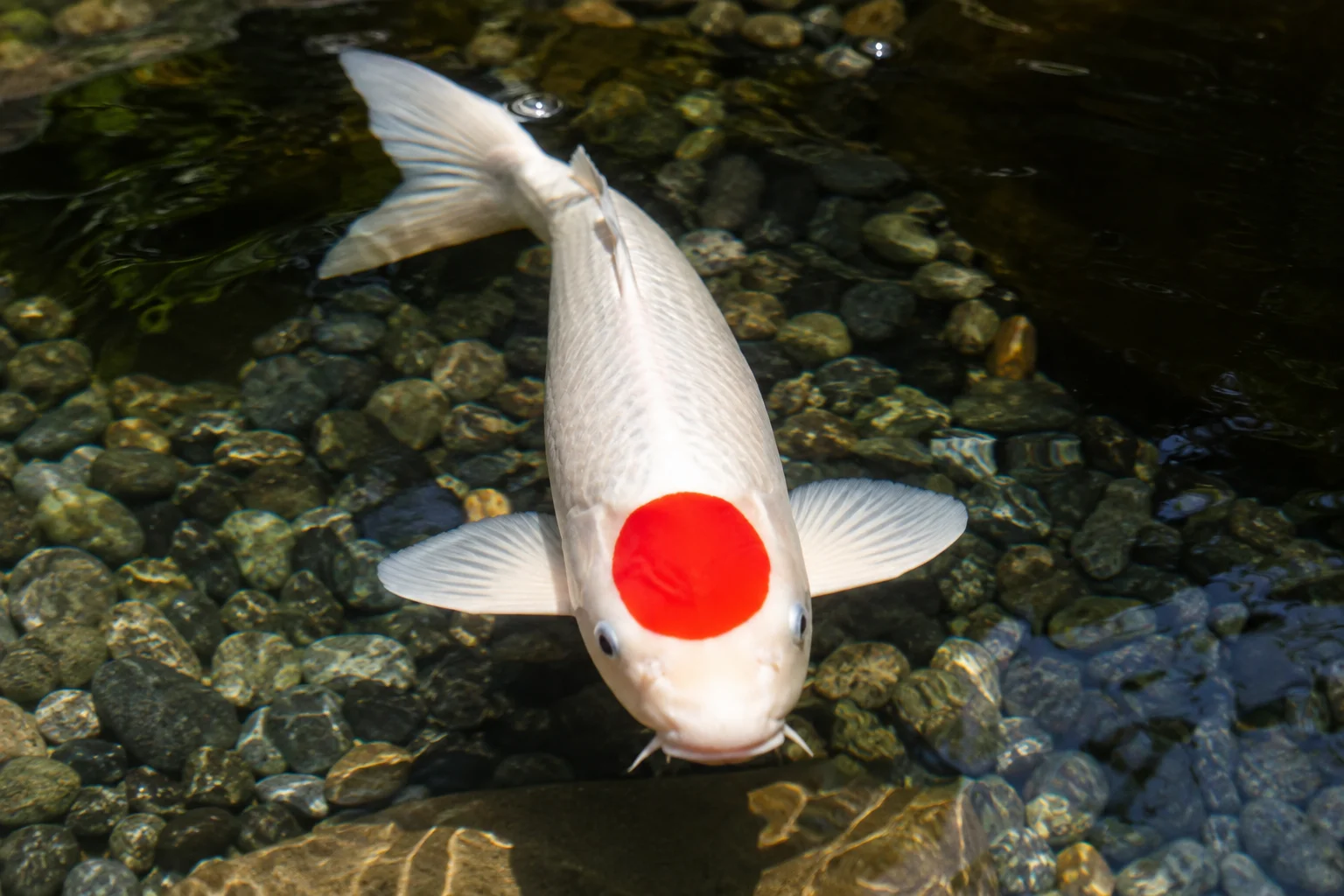
The three varieties considered the gold standard of koi breeding — collectively called Gosanke — are Kohaku (red and white), Sanke (red, white, and black), and Showa (black-based with red and white). These bloodlines dominate koi shows and typically command the highest prices at every quality tier.
Preparing for Koi Fish: Setting Up the Perfect Environment
Before buying koi fish, the pond needs to be ready. A minimum pond size of 1,000 gallons and a depth of at least 3 feet protects koi from predators and temperature swings. Target a pH between 7.0 and 8.6, and test ammonia, nitrite, and nitrate regularly with a reliable kit. A combined mechanical and biological filtration system, plus aeration from a pump, fountain, or waterfall, rounds out a koi-ready pond. For the full build process, see our koi pond building guide and use the Pond Volume Calculator to confirm your gallons before buying fish.
What to Look for When Buying Koi Fish
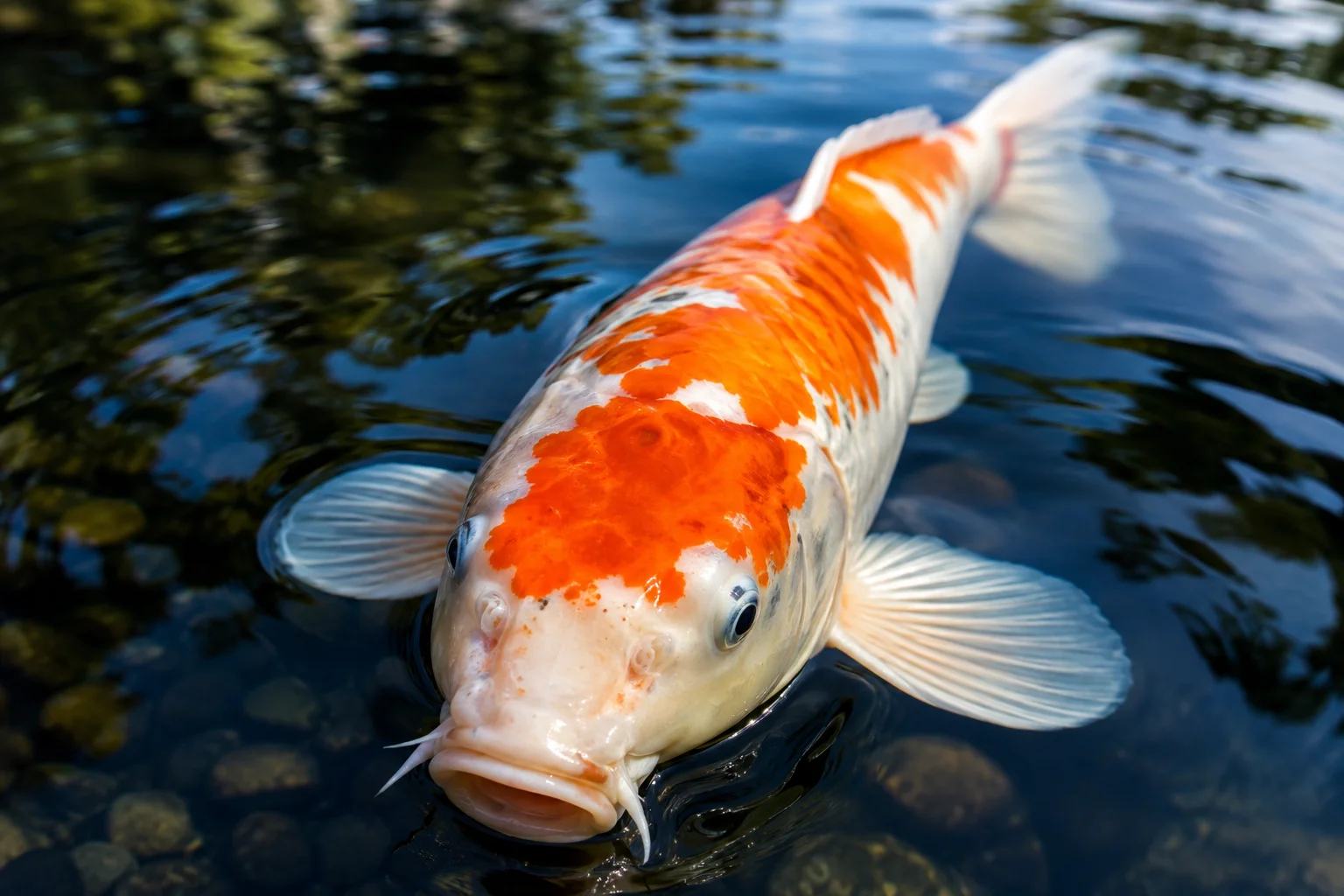
- Health signs: clear eyes, smooth and shiny scales, intact fins with no fraying, active confident swimming
- Red flags: white spots or redness on the skin (possible parasites), lethargy, unusual swimming patterns, visible sores or deformities
- Variety and pattern: know what you’re looking at — see our koi color and pattern guide to identify Kohaku, Showa, Sanke, and other common varieties
- Age and size: young “tosai” koi are smaller, cheaper, and still developing their color; older “nisai” or “sansai” koi are pricier but have already finished their pattern
- Seller reputation: a trustworthy breeder or dealer provides the fish’s health history, care requirements, and any quarantine documentation
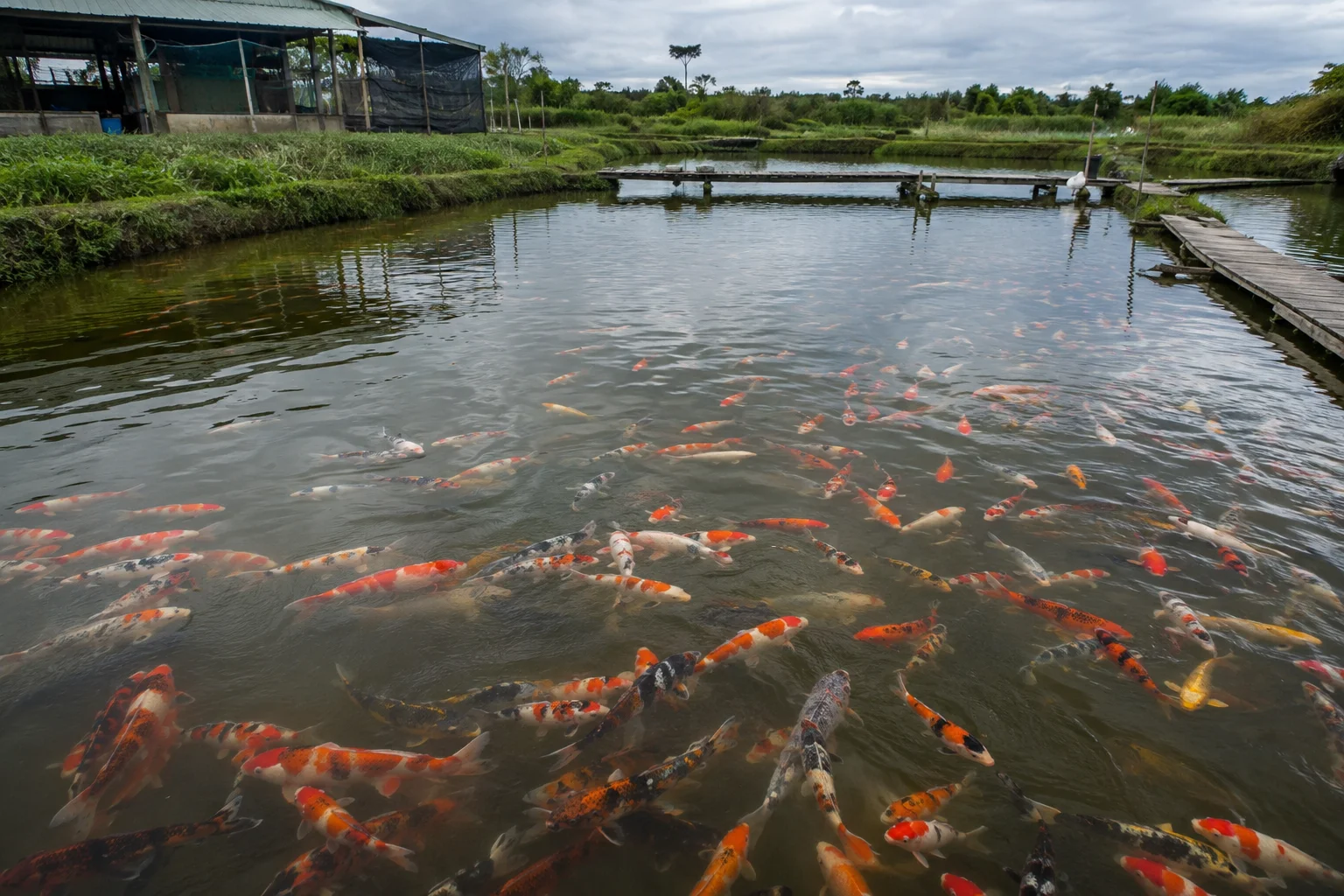
Where to Buy Koi Fish: Finding Reputable Sellers
| Source | Pros | Watch For |
|---|---|---|
| Specialized breeders | Best genetics and health; can answer lineage questions directly | Visit in person when possible to check living conditions |
| Fish farms | Wide selection, often better prices, bulk buying option | Confirm the farm’s quarantine and health practices |
| Local pet stores | Convenient, sometimes partnered with reputable breeders | Ask about the koi’s source; check eyes, color, and scales in person |
| Online marketplaces | Widest selection, access to rare varieties | Can’t inspect before purchase — check reviews, request photos/video, confirm return policy |
Transporting and Acclimating Your Koi Safely

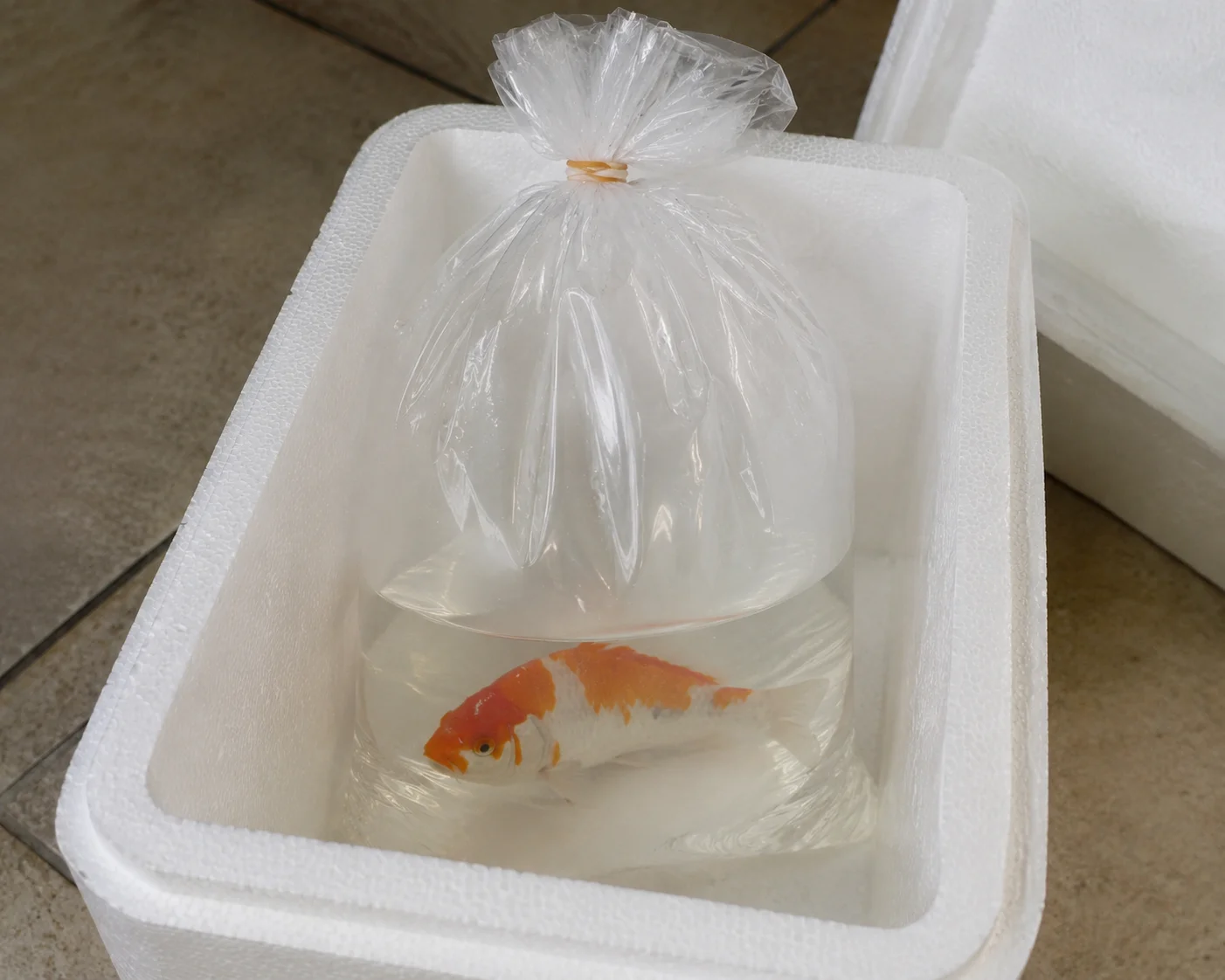
Use a thick plastic transport bag filled about one-third with the koi’s original water, leaving room for air (pure oxygen if available). Keep the bag in a styrofoam box or cooler to buffer temperature swings, and avoid direct sunlight or hot vehicles.
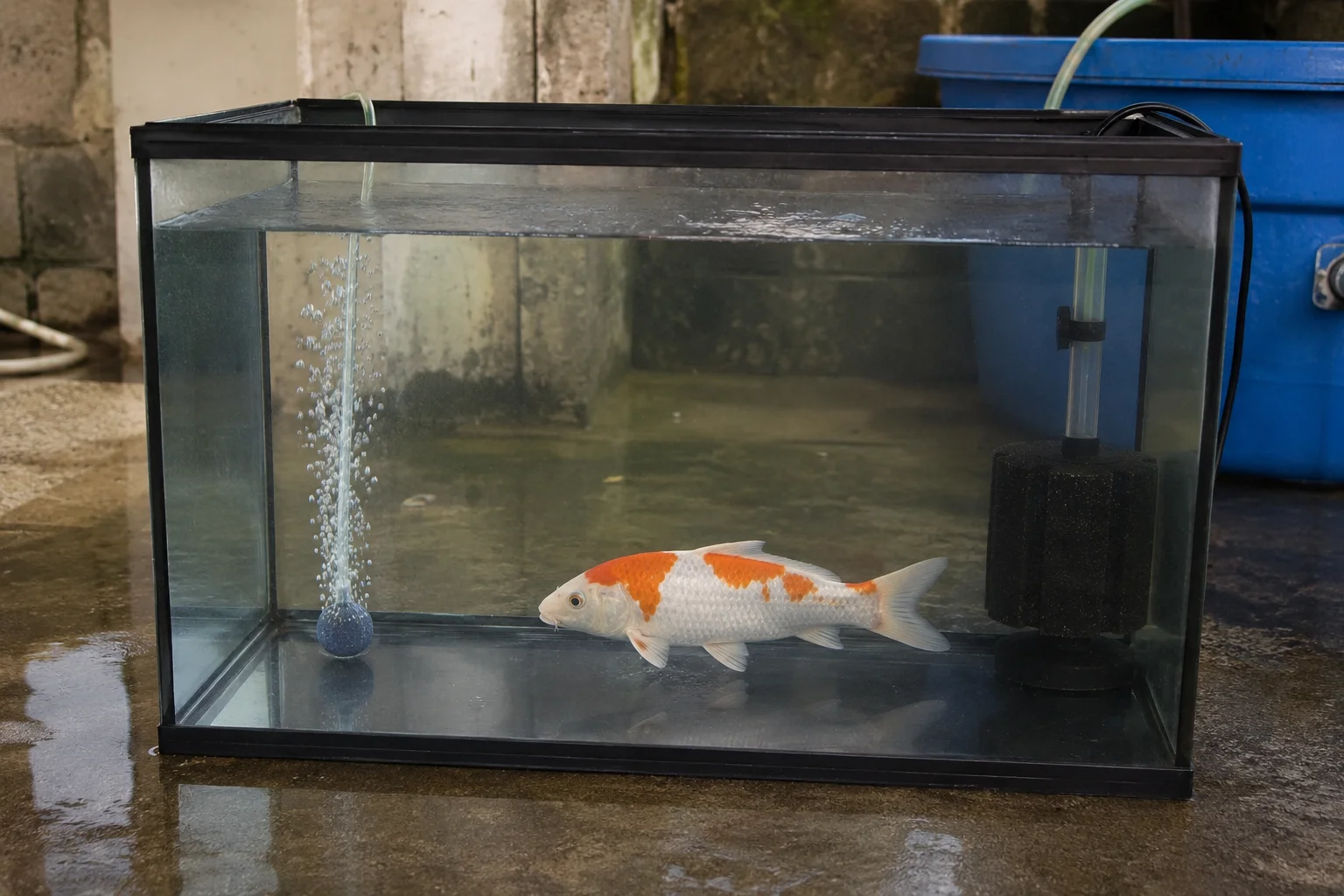
On arrival, float the sealed bag in the new pond for 20–30 minutes to equalize temperature, then add small amounts of pond water into the bag every 10 minutes for about an hour to let the koi adjust to water chemistry differences before release. New koi should be quarantined separately for at least two weeks before joining an existing pond population, to catch any disease or parasites before they can spread.
Common Mistakes When Buying Koi Fish
- Buying before the pond is ready. A pond that hasn’t cycled (typically 4–6 weeks) can’t safely support new fish, no matter how healthy they were at the seller’s tank.
- Judging quality by photos alone. Lighting and camera angle can make an average koi look exceptional online — ask for video or in-person viewing whenever the price justifies it.
- Skipping quarantine. Introducing new koi directly into an established pond risks spreading disease to your entire existing population.
- Overpaying for “rare” without grading knowledge. A rare color alone doesn’t guarantee quality — check body, pattern, and skin before price.
Conclusion
Koi fish are more than ornamental pond residents — they represent decades of selective breeding, and their price reflects real, learnable quality factors rather than arbitrary rarity. Whether you’re buying a $20 pond koi or considering a $2,000 import, understanding grading, sourcing, and proper acclimation sets your koi keeping up for years of success.
FAQs
How much does a koi fish cost?
Domestic koi typically run $10 to $50, while imported Japanese koi range from $100 to $1,500 on average. Champion-grade koi at auction can sell for $16,000 to $200,000 or more, with the record sale reaching $1.8 million.
What makes a koi fish high quality?
Judges and breeders evaluate four factors: body conformation (symmetrical, balanced shape), color depth (deep, consistent pigment), pattern quality (crisp edges, no blemishes), and skin clarity (smooth, glossy finish).
What is Gosanke?
Gosanke refers to the three most prized koi varieties: Kohaku, Sanke, and Showa. These bloodlines dominate koi shows and typically command the highest prices.
What color of koi is considered lucky?
In Japanese culture, red koi symbolize love and passion, gold or yellow koi represent wealth and prosperity, and Kohaku (red and white) are considered especially auspicious for balancing strength and purity.
What should I look for when buying koi fish?
Check for clear eyes, smooth undamaged scales, active swimming, and no visible sores or deformities. Buy only from a reputable breeder or seller who can provide the fish’s health history.
Are koi fish a good investment?
High-quality or rare-lineage koi can appreciate in value, but koi keeping also requires significant investment in pond setup and ongoing care, so it’s worth weighing costs against benefits before treating koi purely as an investment.
How long should new koi be quarantined?
At least two weeks in a separate tank, to allow observation for disease or parasites before introducing them to an existing pond population.
You May Also Like

Passionate about fish keeping since elementary school in the 1980s, Giovanni Carlo has dedicated countless hours to collecting and breeding a diverse array of ornamental freshwater fish. From vibrant guppies and majestic koi to striking bettas and classic goldfish, he continues to explore the fascinating world of aquatics, sharing knowledge and enthusiasm with fellow fish enthusiasts.


Passionate about fish keeping since elementary school in the 1980s, Giovanni Carlo has dedicated countless hours to collecting and breeding a diverse array of ornamental freshwater fish. From vibrant guppies and majestic koi to striking bettas and classic goldfish, he continues to explore the fascinating world of aquatics, sharing knowledge and enthusiasm with fellow fish enthusiasts.