

Quick Answer
Koi fish sculptures come in several mediums, each with real trade-offs: bronze is the most durable and widely available outdoor option, genuine stone pieces are typically artisan-commissioned rather than mass-market, and resin or ceramic alternatives offer a budget-friendly, weather-resistant middle ground. Choice of material should match where the piece will actually live — outdoor and exposed to weather, or indoor and purely decorative.


Koi fish sculptures have been a popular subject in art for centuries, and for good reason. These beautiful, colorful fish are not only visually stunning, but they also have significant cultural and symbolic meaning in many societies, particularly in Japan and China. For the full breakdown of that symbolism, see our Koi Fish Meaning guide.
One of the most fascinating aspects of koi fish sculptures is the variety of mediums in which they can be created. From bronze to stone, each medium offers its own unique benefits and challenges, allowing artists to create truly one-of-a-kind pieces.
Bronze Koi Fish Sculptures
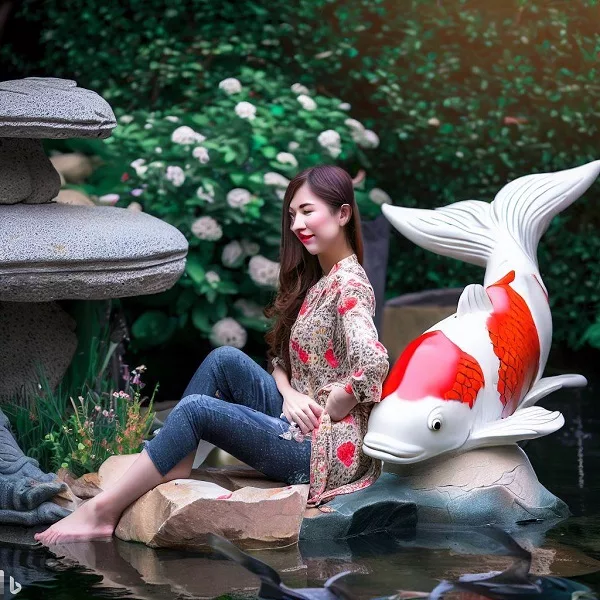
Bronze koi fish sculptures are perhaps the most well-known and popular medium for this subject. Bronze is a durable, long-lasting material that allows for intricate details and textures to be captured in the sculpture. This medium is particularly well-suited for creating sculptures that are meant to be displayed outdoors, as bronze is resistant to weathering and other environmental factors that can damage other materials. Many bronze koi sculptures feature exquisite patinas that give the pieces a sense of age and depth.
Antique Bronze-Finish Koi Fish Garden Statue Set (4-Piece) — a genuine, accessible entry point into the bronze aesthetic without a custom commission price tag.
Stone Koi Fish Sculptures
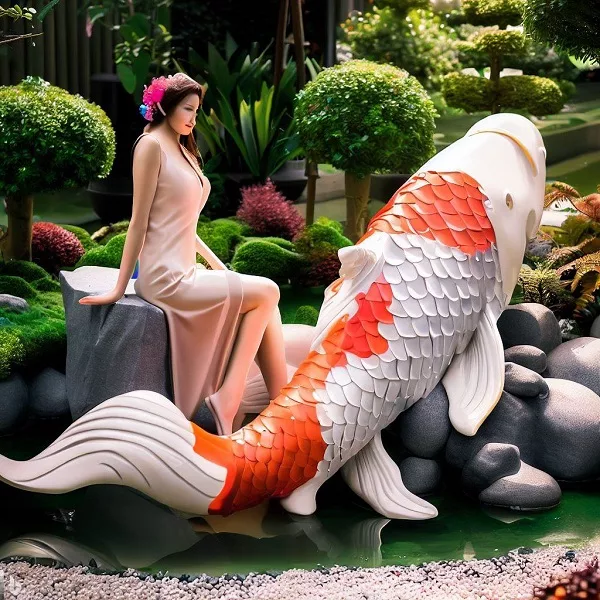
Stone koi fish sculptures, on the other hand, offer a completely different aesthetic and feel. Stone is a more delicate and brittle material than bronze, and as such, requires a great deal of skill and patience to work with. However, stone sculptures have a timeless, natural beauty that is hard to replicate in any other medium. The texture and grain of the stone can add an element of organic realism to the sculpture, while the smoothness of the surface can evoke a sense of calm and serenity.
Worth knowing if you’re shopping specifically: genuine hand-carved stone koi pieces are typically commissioned directly from stone artisans or found through specialty garden/art galleries rather than mass-market retailers — most “stone-style” listings on general marketplaces are actually resin or ceramic finished to mimic stone’s look, which is a reasonable budget alternative but not the genuine material.
Wood, Glass, and Ceramic Alternatives

Other materials that can be used to create koi fish sculptures include wood, glass, and even ceramic. Each of these mediums has its own unique properties that allow artists to create sculptures that are truly one-of-a-kind. Wood carvings bring warmth and a handmade feel well-suited to indoor display; glass pieces catch and refract light in ways no other medium can, making them striking as a windowsill or shelf accent; and ceramic offers the widest range of color and glaze options at a generally lower price point. For a deep dive specifically into ceramic koi pieces, see our Ceramic Koi Fish guide.
Maintenance Differs by Material
How you care for a koi sculpture depends heavily on what it’s made of:
- Bronze: occasional light cleaning with a soft cloth; avoid harsh chemicals that can strip or alter the patina. Outdoor pieces develop a natural weathered patina over time, which many collectors consider part of the appeal rather than something to prevent.
- Stone: sealant reapplication every few years for outdoor pieces helps prevent moisture damage and cracking in freeze-thaw climates.
- Resin/Ceramic: most susceptible to UV fading and temperature-related cracking — keep away from direct, prolonged sunlight if color retention matters.
- Wood/Glass: best suited for indoor display only, since both are genuinely vulnerable to weather exposure in ways bronze and stone aren’t.
Placement and Feng Shui Considerations
Like other koi decor, placement matters if you’re choosing a sculpture with feng shui intentions in mind — the southeast corner of a space is traditionally associated with wealth, while the southwest is linked to relationship harmony. For outdoor pieces, positioning near an entrance or garden focal point is also a common, visually effective choice independent of feng shui considerations.
FAQs
What’s the most durable material for an outdoor koi sculpture?
Bronze is generally the most durable for long-term outdoor display, genuinely resistant to weathering. Stone is also durable but more susceptible to cracking from freeze-thaw cycles without proper sealing.
Are stone koi sculptures available on general marketplaces like Amazon?
Genuine hand-carved stone pieces are typically sourced from artisans or specialty galleries rather than general marketplaces. Most “stone-style” listings you’ll find on sites like Amazon are actually resin or ceramic finished to resemble stone.
Can koi sculptures be displayed indoors?
Yes — wood, glass, and ceramic pieces are specifically well-suited to indoor display, while bronze and stone work for either indoor or outdoor settings.
You may also like


Passionate about fish keeping since elementary school in the 1980s, Giovanni Carlo has dedicated countless hours to collecting and breeding a diverse array of ornamental freshwater fish. From vibrant guppies and majestic koi to striking bettas and classic goldfish, he continues to explore the fascinating world of aquatics, sharing knowledge and enthusiasm with fellow fish enthusiasts.

Passionate about fish keeping since elementary school in the 1980s, Giovanni Carlo has dedicated countless hours to collecting and breeding a diverse array of ornamental freshwater fish. From vibrant guppies and majestic koi to striking bettas and classic goldfish, he continues to explore the fascinating world of aquatics, sharing knowledge and enthusiasm with fellow fish enthusiasts.