


Quick Answer
Kujaku (“peacock”) koi were developed in the early 1960s by breeder Toshio Hirasawa of Maruju Koi Farm, crossing Hikari Muji (metallic) koi with Asagi koi. The result is a metallic white or silver base with an Asagi-style net-like (reticulated) pattern, overlaid with red, orange, or gold markings — genuinely resembling peacock plumage, hence the name.

The Living Jewels of Your Pond
What Are Kujaku Koi?
Kujaku koi, often called “Peacock Koi,” are a stunning variety of ornamental fish celebrated for their shimmering metallic scales and intricate patterns. They are a hybrid of the Hikari Muji (metallic koi) and Asagi koi, inheriting the best traits of both.
The Origin and Meaning of Their Name
The name “Kujaku” translates to “peacock” in Japanese, a fitting description of their vibrant, peacock-like beauty. Their shimmering scales and intricate net-like patterns mimic the elegance of a peacock’s feathers.
Distinguishing Characteristics
Kujaku koi are known for their metallic sheen, combined with reticulated patterns on their scales. They often feature white or silver bodies adorned with red, orange, or gold markings, making them stand out in any pond.
Why Are Kujaku Koi So Popular?
Their mesmerizing appearance and relatively manageable care needs make them a favorite among koi enthusiasts. They’re also a symbol of prosperity and beauty, adding not just life but also cultural depth to your pond.
History and Origins
The Japanese Roots of Kujaku Koi
The story of Kujaku begins in Japan, the birthplace of all ornamental koi varieties. They were developed in the early 1960s by breeder Toshio Hirasawa of the Maruju Koi Farm, who crossed a Hikari Muji (metallic single-colored koi) with an Asagi. This combination resulted in their metallic base and intricate reticulation.
Evolution of Modern Kujaku Varieties


Over decades, selective breeding has refined Kujaku into what we know today—living works of art with unmatched elegance. Due to the diverse lineage involved, breeding Kujaku remains genuinely unpredictable — a single pairing can produce offspring resembling Ogon, Kikusui, Kohaku, Asagi, or Hariwake, alongside true Kujaku.
Their Role in Koi Culture
In Japanese culture, koi represent strength, perseverance, and good fortune. Kujaku, with their unique beauty, have become one of the most cherished varieties.
Physical Appearance
The hallmark of Kujaku koi is their vibrant, metallic base color paired with an Asagi-like reticulated pattern.
Metallic Base Colors
Their shimmering white, silver, or platinum bodies create a striking backdrop for their bright markings.
Net-Like Scale Patterns (Reticulation)
This reticulated pattern enhances their elegance, giving them a textured, almost three-dimensional appearance.
Size and Shape
Kujaku can grow up to 24–30 inches, depending on care and genetics. Their sleek, torpedo-shaped bodies ensure graceful movement in water.
Fins and Movement
Their fins are semi-transparent and delicate, contributing to their overall gracefulness.
Breeding Kujaku Koi
Selecting Quality Broodstock
Choosing the right parents is crucial for breeding quality Kujaku.
Characteristics to Look For
Look for fish with a strong metallic sheen, clean patterns, and symmetrical body shapes.
Genetic Considerations
Breeding requires careful genetic planning to ensure the offspring inherit desirable traits.
Breeding Practices
Maintain clean water conditions and provide a balanced diet to encourage successful spawning.
Challenges in Breeding
Breeding Kujaku is a delicate process, requiring experience and patience to overcome challenges like genetic imperfections or poor survival rates in fry.
Care and Maintenance
Optimal Pond Size and Depth
A minimum depth of 3 feet and a capacity of at least 1,000 gallons is ideal for Kujaku, consistent with their above-average adult size.
Water Quality Standards
Maintain a temperature between 65°F and 75°F, with a pH level of 6.8–7.2 and excellent filtration.
Dietary Preferences and Feeding Schedule
Kujaku thrive on high-quality pellets supplemented with fresh vegetables and occasional treats like shrimp. Feed 2–3 times daily in warmer months and reduce feeding frequency during cooler months.
📖 Koi: A Complete Guide to their Care and Color Varieties
Written by a team of international koi experts, with a dedicated section on Hikari Moyo varieties like Kujaku and their genuinely unpredictable breeding outcomes.
🛒 Check Price on Amazon →Disease Prevention and Health Monitoring
Regular water testing, quarantine for new fish, and prompt treatment of illnesses are vital for maintaining their health.
How to Choose Kujaku Koi
What to Look for When Buying
Inspect the fish for vibrant colors, symmetrical patterns, and active behavior.
Recognizing High-Quality Specimens
High-quality Kujaku have a strong metallic shine and a well-defined reticulated pattern.
Common Mistakes to Avoid
Avoid purchasing fish from overcrowded tanks or without inspecting their health and environment.
Enhancing Your Pond with Kujaku Koi
Pairing Kujaku Koi with Other Varieties
Kujaku pair beautifully with Kohaku, Shusui, and other brightly colored varieties.
Landscaping Ideas to Complement Their Beauty
Incorporate water plants, rocks, and cascading waterfalls to create a natural, serene environment.
Myths and Misconceptions
Many believe that Kujaku require highly specialized care, but they are relatively easy to maintain with proper planning. Unlike the myth that they are fragile, Kujaku are resilient when kept in ideal conditions.
Kujaku Koi and Symbolism
In Japanese culture, koi symbolize beauty, strength, and prosperity. In Feng Shui specifically, koi are thought to attract wealth and positive energy to your home.
Conclusion
Kujaku koi are more than just ornamental fish—they’re living pieces of art that add unparalleled beauty to your pond. With proper care and attention, they can thrive and bring joy for many years.
FAQs
How big do Kujaku koi grow?
Kujaku can grow up to 24–30 inches in length, depending on their environment and care.
Are Kujaku koi hard to care for?
Not at all. With proper pond conditions and a good diet, they are relatively easy to maintain.
What makes Kujaku koi unique from other koi varieties?
Their metallic sheen and intricate reticulated patterns set them apart from other koi varieties.
Can I breed Kujaku koi at home?
Yes, though their genetics are genuinely unpredictable — a single pairing can produce several different-looking variety offspring, so patience and experience help.
Will black markings on a Kujaku fade or become stronger over time?
This is genuinely unpredictable, and the variation between individual fish can be significant. Black can appear on the skin and still qualify as a Kujaku, though it’s not always considered as visually appealing by collectors.
You may also like

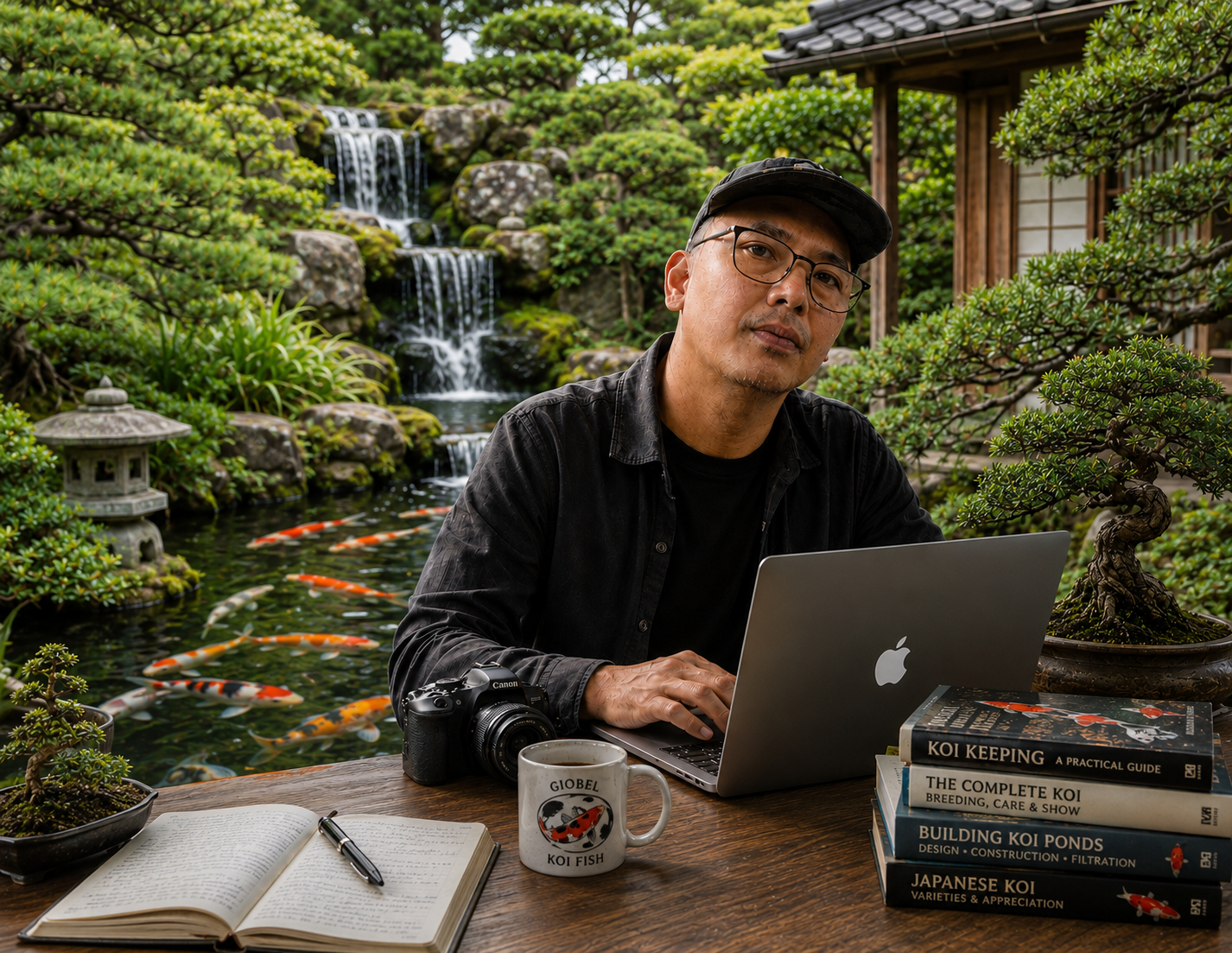
Passionate about fish keeping since elementary school in the 1980s, Giovanni Carlo has dedicated countless hours to collecting and breeding a diverse array of ornamental freshwater fish. From vibrant guppies and majestic koi to striking bettas and classic goldfish, he continues to explore the fascinating world of aquatics, sharing knowledge and enthusiasm with fellow fish enthusiasts.
Facebook · Instagram · Twitter · Pinterest · TikTok · LinkedIn · YouTube

Passionate about fish keeping since elementary school in the 1980s, Giovanni Carlo has dedicated countless hours to collecting and breeding a diverse array of ornamental freshwater fish. From vibrant guppies and majestic koi to striking bettas and classic goldfish, he continues to explore the fascinating world of aquatics, sharing knowledge and enthusiasm with fellow fish enthusiasts.