Quick Answer
A Japanese koi fish is a high-quality ornamental carp selectively bred in Japan (originating in Niigata Prefecture in the early 1800s) for vibrant color, balanced pattern, strong body shape, and established bloodlines. “Japanese koi” and “regular koi” are the same species — the difference is generations of selective breeding, which shows up in color quality, pattern symmetry, and body structure.
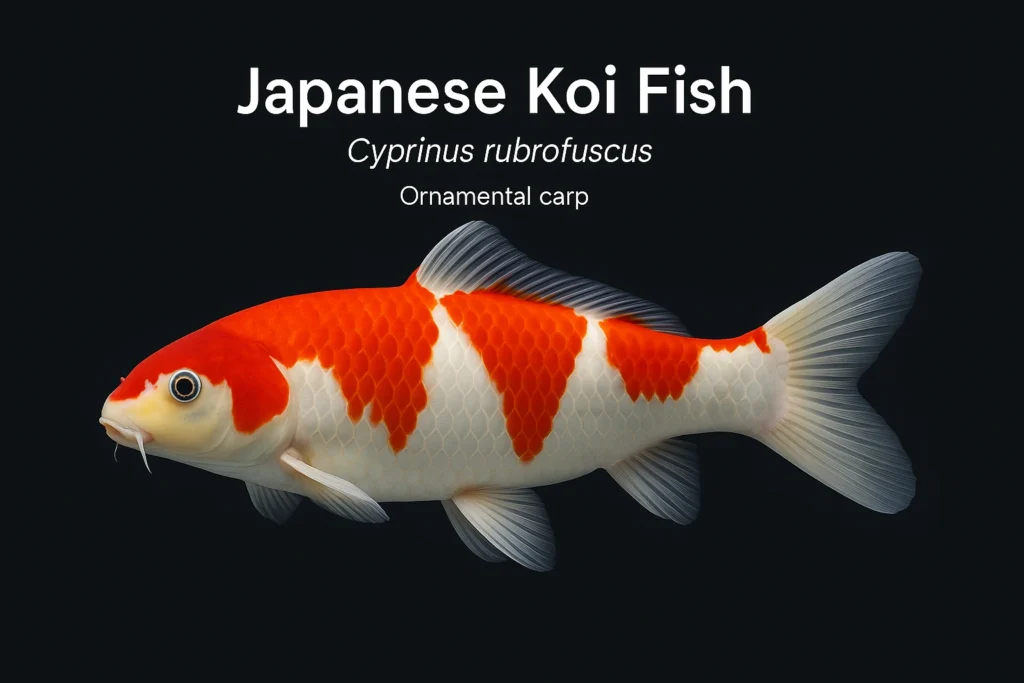
Japanese koi fish are ornamental carp selectively bred in Japan for color, pattern, body shape, and longevity. Originating in Niigata, Japan, they are prized worldwide as living art and symbols of strength, success, and good fortune.
What Is a Japanese Koi Fish?
A Japanese koi fish is a high-quality ornamental carp that has been selectively bred in Japan for its vibrant colors, balanced patterns, strong body structure, and long lifespan. Japanese koi are different from regular or local koi because they come from established bloodlines and are raised under strict breeding standards.
In simple terms:
- Japanese koi = premium-quality koi bred in Japan
- Regular koi = mass-bred ornamental carp with less consistent quality
This difference in breeding results in noticeable improvements in appearance, health, and longevity.
Origin of Japanese Koi Fish
Japanese koi originated in the Niigata Prefecture of Japan in the early 1800s. Local rice farmers noticed colorful mutations in common carp and began selectively breeding them.
Over generations, these carp evolved into the koi varieties we know today.
Key facts about their origin:
- Descended from Magoi (black carp)
- Developed through selective breeding, not genetic modification
- Gained international recognition in the early 20th century
Japanese Koi vs Regular Koi: What’s the Difference?
| Feature | Japanese Koi | Regular / Local Koi |
|---|---|---|
| Breeding | Multi-generation selective breeding | Often mass-bred |
| Color Quality | Deep, vibrant, long-lasting | May fade over time |
| Pattern | Clean, balanced, symmetrical | Random or uneven |
| Body Shape | Thick, powerful frame | Thin or inconsistent |
| Price | Higher | Lower |
Although they are the same species, Japanese koi are considered superior in quality and aesthetics. For a deeper look at this specific distinction, see our Japanese Koi vs Local Koi guide.
Why Are Japanese Koi So Special?
Japanese koi are evaluated based on four essential qualities:
1. Color — Rich reds (Hi), deep blacks (Sumi), clean white skin (Shiroji).
2. Pattern — Balanced color placement, sharp clean edges known as kiwa and sashi.
3. Body Shape — Broad head, thick tail tube, smooth powerful swimming motion.
4. Bloodline — Bred by renowned Japanese breeders, with stable genetics ensuring beauty improves with age.
Popular Types of Japanese Koi
Some of the most well-known Japanese koi varieties include:
- Kohaku — white body with red patterns. See our full Kohaku guide.
- Taisho Sanke — white koi with red and black markings.
- Showa — bold black koi with red and white.
- Asagi — blue-gray scales with red accents.
- Shiro Utsuri — striking black-and-white contrast.
Each variety follows strict judging standards in Japan.
Koi: A Complete Guide to their Care and Color Varieties — written by a team of international koi experts, with a dedicated section on identifying the many recognized varieties.
What Do Japanese Koi Symbolize?
In Japanese culture, koi fish symbolize perseverance and strength, success and ambition, and longevity and good fortune. Because of this symbolism, koi are often found in Japanese gardens, temples, and family ponds. For the full breakdown of this symbolism, see our Koi Fish Meaning guide.
How Long Do Japanese Koi Fish Live?
With proper care, Japanese koi typically live 25 to 35 years on average, with some exceeding 50 years. The oldest recorded koi, Hanako, is reported to have lived over 200 years — a genuinely exceptional outlier rather than a typical lifespan.
Longevity depends on genetics, water quality, diet, and pond size and filtration.
Are Japanese Koi Hard to Take Care Of?
Japanese koi are not difficult to care for, but they do require proper planning. They need a sufficiently sized pond, good filtration and aeration, stable water parameters, and seasonal feeding adjustments. Japanese koi are not suitable for small aquariums and thrive best in outdoor ponds.
Frequently Asked Questions About Japanese Koi
What is the difference between Japanese koi and butterfly koi?
Japanese koi are bred for body shape and pattern, while butterfly koi are bred for long fins and often have less strict quality standards.
Are Japanese koi freshwater fish?
Yes, Japanese koi are freshwater fish and should only be kept in freshwater ponds.
Why are Japanese koi so expensive?
Japanese koi are expensive due to selective breeding, famous bloodlines, superior color and pattern quality, and the time required to raise them.
Can beginners keep Japanese koi?
Yes. Beginners can successfully keep Japanese koi by maintaining good water quality, proper pond size, and avoiding overcrowding.
Final Thoughts
A Japanese koi fish is more than just an ornamental pond fish. It is the result of centuries of selective breeding, cultural heritage, and artistic refinement. Understanding what makes Japanese koi unique is the first step toward successful koi keeping.
Choosing quality koi and providing proper care allows these living works of art to thrive for decades.
You may also like


Passionate about fish keeping since elementary school in the 1980s, Giovanni Carlo has dedicated countless hours to collecting and breeding a diverse array of ornamental freshwater fish. From vibrant guppies and majestic koi to striking bettas and classic goldfish, he continues to explore the fascinating world of aquatics, sharing knowledge and enthusiasm with fellow fish enthusiasts.