Quick Answer
There’s no genetic wall separating “Japanese” koi from domestic or local koi — many domestic breeders use imported Japanese parent stock (oyagoi) themselves. The real quality gap comes from breeding practice: Japanese breeders typically cull far more rigorously, select parent fish more carefully, and specialize in fewer varieties across generations of accumulated knowledge. “Japanese-raised” isn’t a genetic category — it’s a difference in process.

This comes up constantly among koi keepers deciding where to buy: is a “Japanese koi” genuinely different from a domestic or locally bred one, or is it just marketing? The honest answer is more nuanced than either side of the argument usually admits.
Is There a Genetic Difference?
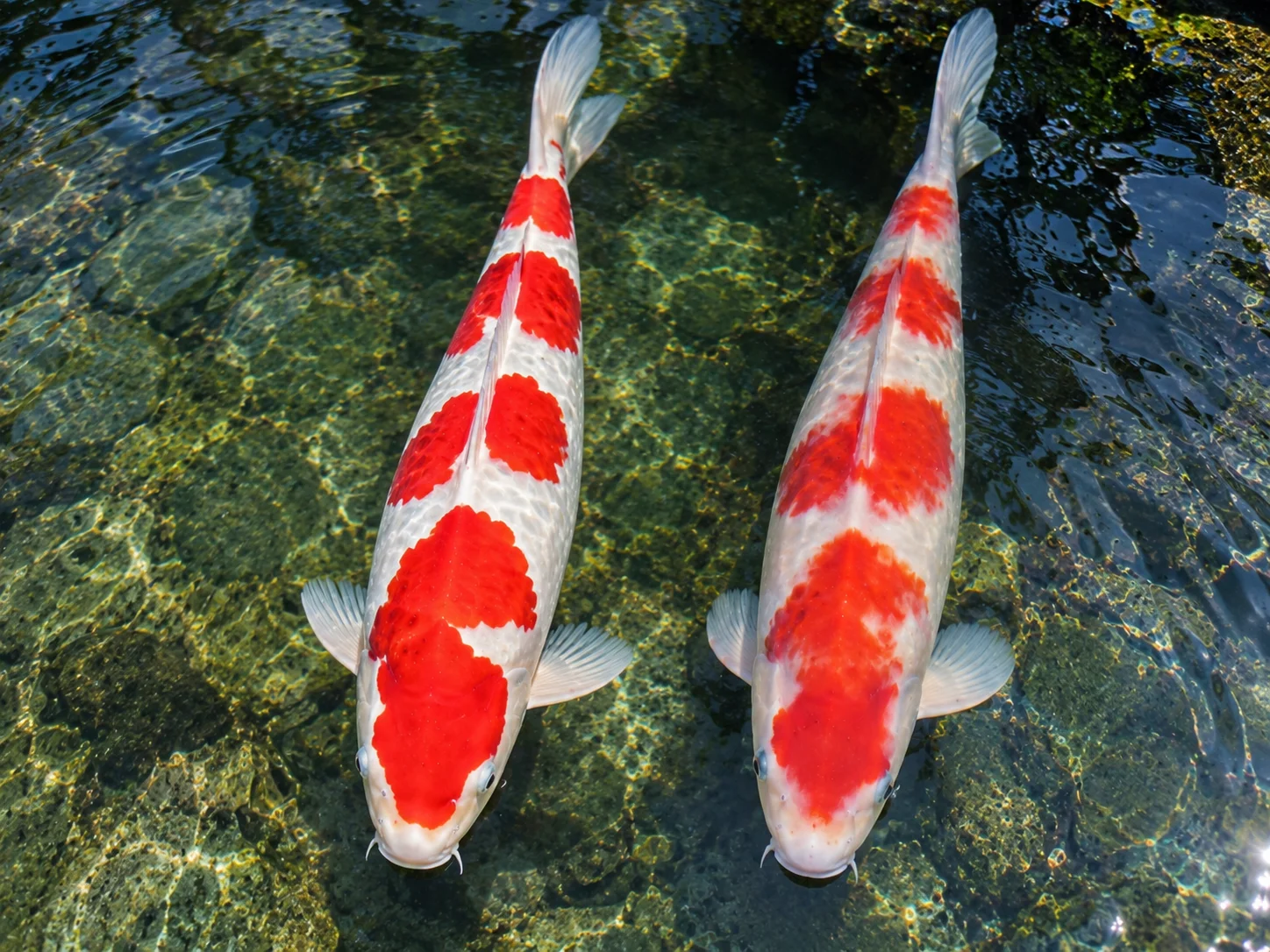
No — not in the sense of a separate genetic lineage exclusive to Japan. Domestic and local koi trace back to the same ancestral bloodlines as Japanese koi, and many domestic breeders directly import Japanese broodstock (oyagoi) to breed their own fish. A koi bred outside Japan from Japanese parent stock isn’t genetically distinct from one bred inside Japan — the parentage is the same either way.
This is also why “imported” doesn’t automatically mean better: the term just describes where a fish was raised, not any inherent genetic superiority. A fish can be imported from any country with no standardized quality control behind that label.
So Why Do Japanese-Raised Koi Often Look Better?
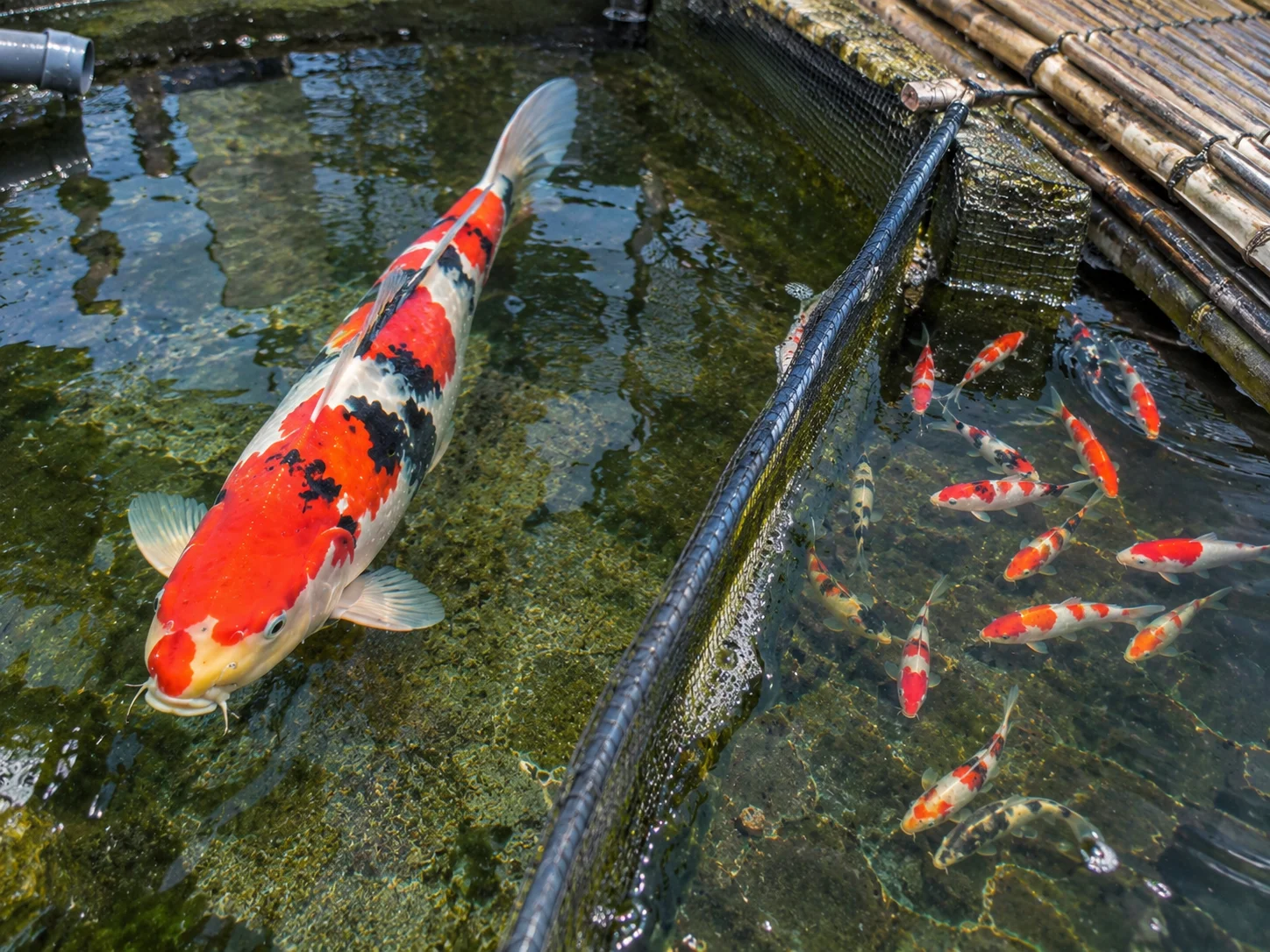
If it’s not genetics, what accounts for the quality gap serious collectors do consistently observe? A few real, well-documented factors:
- Rigorous culling. Japanese breeders typically cull a much larger percentage of each fry batch, keeping only fish that meet exacting standards — meaning a smaller share of each generation ever reaches the market, but what does reach it is more consistently high quality.
- Careful oyagoi (parent stock) selection. Japanese breeders often select parent koi specifically for body conformation, size (frequently well over 80cm), and proven pattern quality across multiple prior generations — a level of selective pressure that’s harder to replicate without the same generational depth of breeding records.
- Generational specialization. Some Japanese breeding farms have focused on refining just a handful of varieties across seven or more generations, building an accumulated depth of bloodline knowledge that’s difficult for a newer domestic operation to match quickly.
- Growout environment and care. The first few years of a koi’s life — water quality, nutrition, mineral-rich mud pond conditions — genuinely affect how color and pattern develop, independent of genetics. This is part of why some hobbyists report domestic-bred koi from Japanese parent stock still show less intense hi (red) coloration than their Japan-raised counterparts.
Does This Mean Domestic Koi Are a Worse Choice?
Not necessarily. Domestic and local koi are a genuinely sensible starting point for newer hobbyists — they’re more affordable, let you build handling and pond-keeping skills on lower-stakes fish, and support the growth of local breeding industries. Many hobbyists deliberately learn the hobby on domestic koi before investing in pricier imports once they can better appreciate the finer quality differences.
As a real example: here’s a gin showa I bred myself, showing the kind of quality a well-selected domestic breeding program can produce without Japanese origin being the deciding factor.
For a full breakdown of what actually drives koi pricing across both categories, see our koi buying and pricing guide.
Want to learn to spot these quality differences yourself? Koi Appreciation: The First Step, written by a UK show koi judge, breaks down exactly the conformation, color, and pattern standards that separate a rigorously culled Japanese import from an average domestic fish.
Frequently Asked Questions
Are Japanese koi genetically different from domestic koi?
No — there’s no separate genetic lineage exclusive to Japan. Many domestic breeders use imported Japanese parent stock directly, so the underlying genetics are often the same.
Why do Japanese koi often have more intense color?
This is more about breeding practice and growout conditions than genetics — rigorous culling, careful parent stock selection, and the mineral-rich growout environment in Japan all contribute to more consistent, intense coloration.
Is it worth paying more for imported Japanese koi?
It depends on your goals. If you’re new to the hobby, domestic koi are a sensible, more affordable way to build experience. If you’re specifically after show-quality pattern and color consistency, the rigorous culling behind imported Japanese koi generally does deliver a more predictable result.
Does “imported” automatically mean higher quality?
No — “imported” only describes where a fish was raised, not any guaranteed quality standard. Imported koi can come from any breeder in any country with no standardized quality control behind the label.
You may also like


Passionate about fish keeping since elementary school in the 1980s, Giovanni Carlo has dedicated countless hours to collecting and breeding a diverse array of ornamental freshwater fish. From vibrant guppies and majestic koi to striking bettas and classic goldfish, he continues to explore the fascinating world of aquatics, sharing knowledge and enthusiasm with fellow fish enthusiasts.