Quick Answer
Metronidazole treats internal flagellate parasites (Hexamita/Spironucleus, the cause of hole-in-the-head disease and bloat) and some anaerobic bacterial infections in fish. It doesn’t treat fungus, external parasites, worms, or external bacterial issues like fin rot. Medicated food works best if the fish is still eating (Hexamita lives in the gut); a water bath treatment is the fallback for fish that have stopped eating. Typical dosing: roughly 5-7 mg/L in water for 5-10 days with a partial water change before each redose, or a crushed 250 mg tablet mixed into food once daily for 5-10 days.

Metronidazole is one of the most widely used medications in fish keeping for treating internal parasites — genuinely effective when used correctly, but worth understanding exactly what it does and doesn’t treat before reaching for it.
What Is Metronidazole?
Metronidazole is an antiprotozoal and antibacterial medication that works by disrupting DNA replication in anaerobic bacteria and certain protozoan parasites, preventing them from reproducing. In fish keeping, it’s sold under names like Fish Zole, Metroplex, or combined with praziquantel in products like API General Cure.
What Metronidazole Treats — and What It Doesn’t
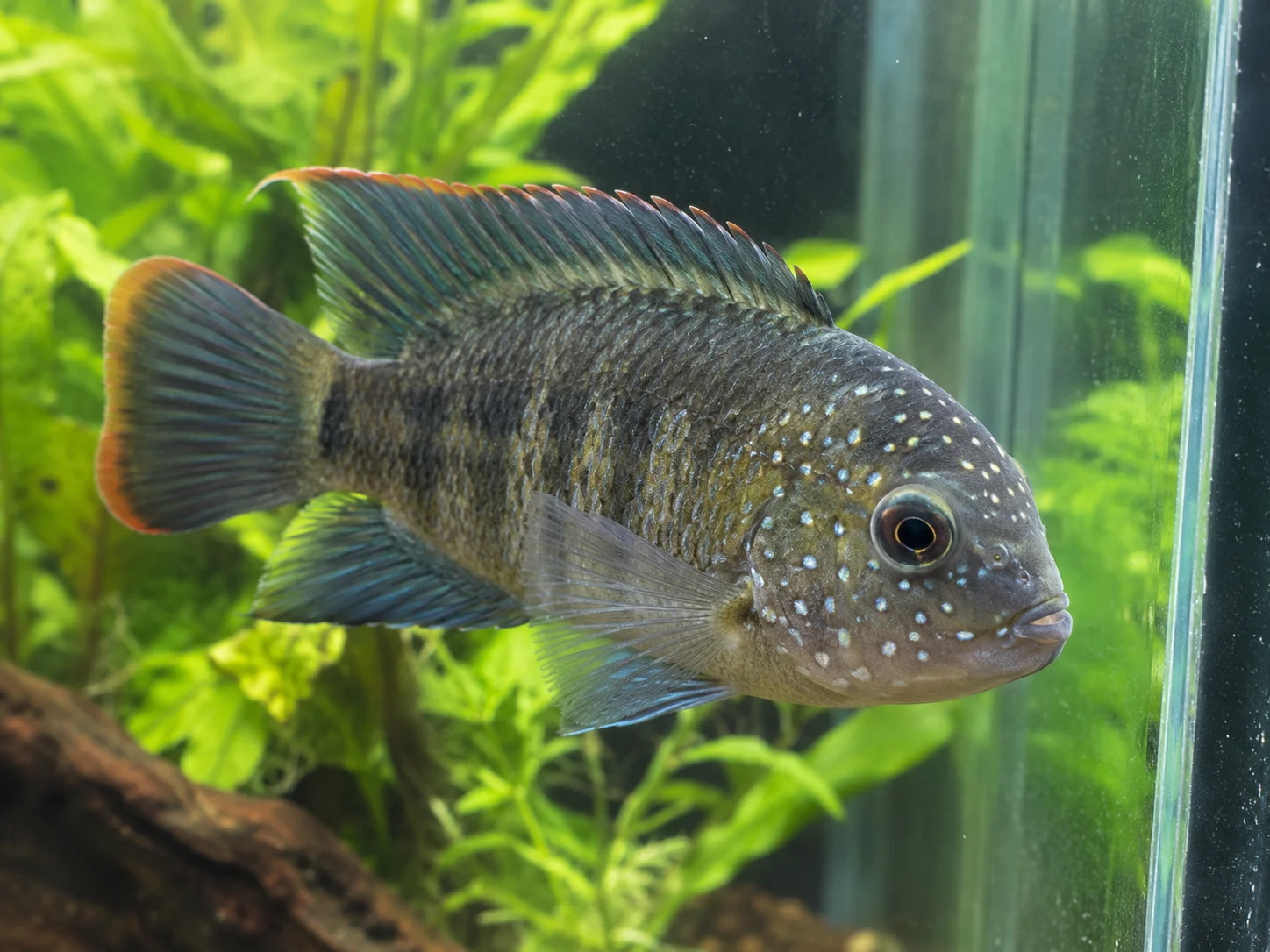
Metronidazole specifically targets internal flagellate parasites, most commonly Hexamita and Spironucleus — the organisms behind hole-in-the-head disease and “Malawi bloat,” along with some anaerobic bacterial infections. It’s also used against certain external protozoan parasites like Chilodonella.
Just as important: metronidazole does not treat fungal infections, external parasitic worms, or external bacterial problems like fin rot. Using it for the wrong problem wastes the treatment window and delays getting the fish the right medication.
How to Dose Metronidazole
There are two main delivery methods, and which one to use depends on whether the fish is still eating — since Hexamita lives in the gut, medicated food generally reaches the parasite more directly and effectively than a water bath does.
Medicated Food (Preferred, If the Fish Is Still Eating)
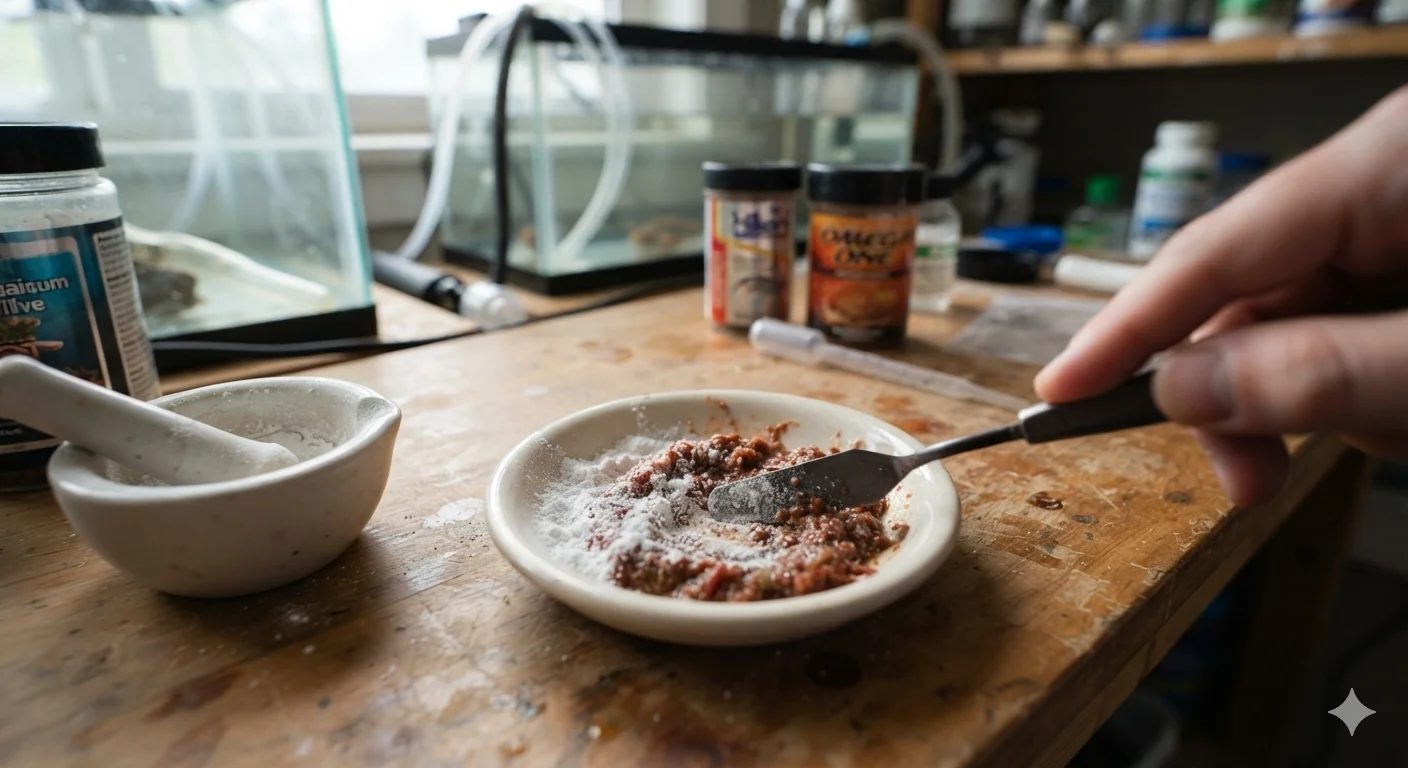
Crush a 250 mg tablet and mix the powder into a small portion of thawed frozen food or a gel food binder, letting it soak in for a few minutes before feeding. Offer once daily for 5-10 days. This method uses less medication overall and gets it directly where it’s needed.
Water Bath Treatment (For Fish That Have Stopped Eating)
Commonly cited dosing runs around 5-7 mg/L of water, repeated every 24 hours for 5-10 days, with a partial water change (roughly 25%) before each redose. Some protocols use a shorter, more concentrated bath instead — around 12 mg/L for 6 hours — rather than continuous lower-dose exposure. Remove activated carbon from your filter during treatment, since it will absorb the medication and reduce its effectiveness — this is a commonly missed step that quietly undermines an otherwise correct dosing regimen.
API General Cure combines metronidazole with praziquantel in one powder treatment, covering internal parasites and flukes/tapeworms together in a single product.
Safety Notes
- Always dose by water volume, not fish count. Overdosing based on guesswork rather than an accurate gallon measurement is a common, avoidable mistake.
- Check your specific product’s label first. Different commercial formulations (Fish Zole, Metroplex, API General Cure) may have different concentrations — the label on your bottle takes priority over any general dosing chart, including this one.
- Monitor water quality throughout treatment. Poor water quality alongside medication adds unnecessary additional stress to an already-sick fish.
- Treat the whole tank or pond, not just the visibly sick fish. If one fish is showing symptoms, others sharing the same water have likely been exposed too.
Frequently Asked Questions
What does metronidazole treat in fish?
Internal flagellate parasites like Hexamita and Spironucleus (the cause of hole-in-the-head disease and bloat), along with some anaerobic bacterial infections and certain external protozoan parasites like Chilodonella.
How do you give metronidazole to fish?
Via medicated food (preferred if the fish is still eating — crush a tablet, mix into food, feed once daily for 5-10 days) or a water bath treatment (roughly 5-7 mg/L, repeated every 24 hours for 5-10 days with a partial water change before each redose).
Can you overdose metronidazole in fish?
Yes, if dosed incorrectly — always measure by actual water volume rather than guessing, and follow your specific product’s label, since concentrations vary between commercial formulations.
Does metronidazole treat fin rot or fungus?
No — metronidazole targets internal flagellate parasites and certain bacteria, not fungal infections or external bacterial issues like fin rot. Using it for the wrong problem delays getting the fish an appropriate treatment.
You may also like
- Koi Ich Treatment
- Koi Flukes Treatment
- Koi Trichodina and Costia Treatment
- Potassium Permanganate for Koi


Passionate about fish keeping since elementary school in the 1980s, Giovanni Carlo has dedicated countless hours to collecting and breeding a diverse array of ornamental freshwater fish. From vibrant guppies and majestic koi to striking bettas and classic goldfish, he continues to explore the fascinating world of aquatics, sharing knowledge and enthusiasm with fellow fish enthusiasts.