

Quick Answer
Koi color change with age is actually two different processes, often confused with each other. In young koi, colors frequently intensify as “hidden” pigments surface and metallic varieties develop more shine — this isn’t fading at all. True age-related fading happens later, in senior koi, and is genuinely natural (similar to hair graying in humans), driven mainly by genetics. The biggest controllable factor either way is diet — carotenoid-rich food accounts for up to 40% of a koi’s overall color intensity. Gradual fading in an otherwise healthy fish is usually nothing to worry about; rapid fading combined with other symptoms (clamped fins, lethargy) can signal a real water quality problem.

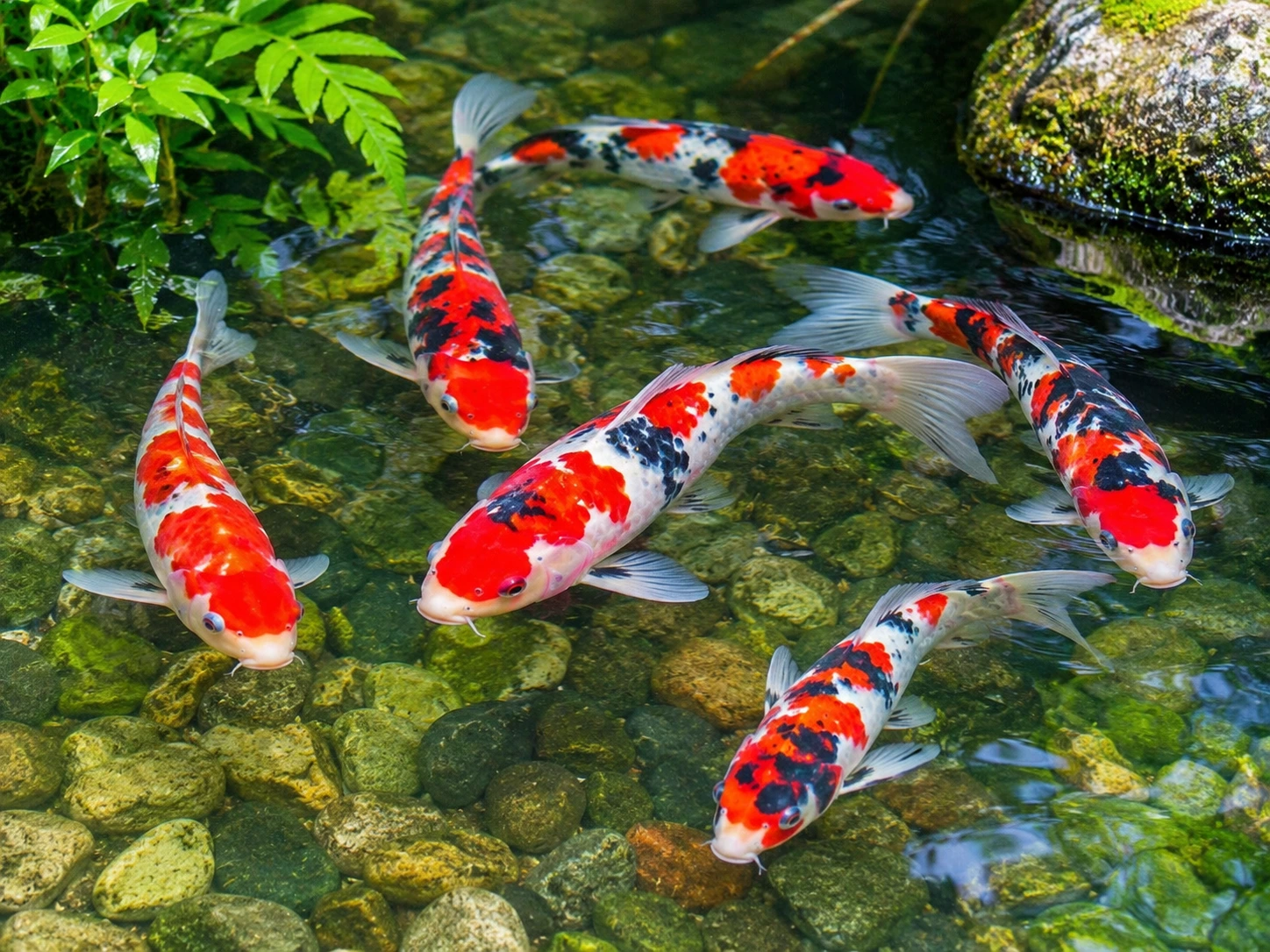
Why Do Koi Fish Lose Their Color As They Age?
If you’ve had koi for several years, you’ve probably noticed their colors looking different than when you first brought them home — sometimes more vivid, sometimes duller. This is a genuinely common source of confusion, because “koi changing color with age” actually describes two distinct, almost opposite phenomena.
Two Different Processes, Often Confused
Young Koi: Colors Often Intensify, Not Fade
Many koi hatch with “hidden” colors that only become visible as they mature — a young koi’s true pattern can look quite different at 1 year old compared to 3-4 years old. Metallic varieties in particular often become noticeably shinier with age as their iridophore cells (which contain light-reflecting guanine crystals) continue developing. If your koi’s colors have changed as it’s grown from a juvenile into an adult, this is very likely normal development, not fading.
Senior Koi: Genuine Age-Related Fading
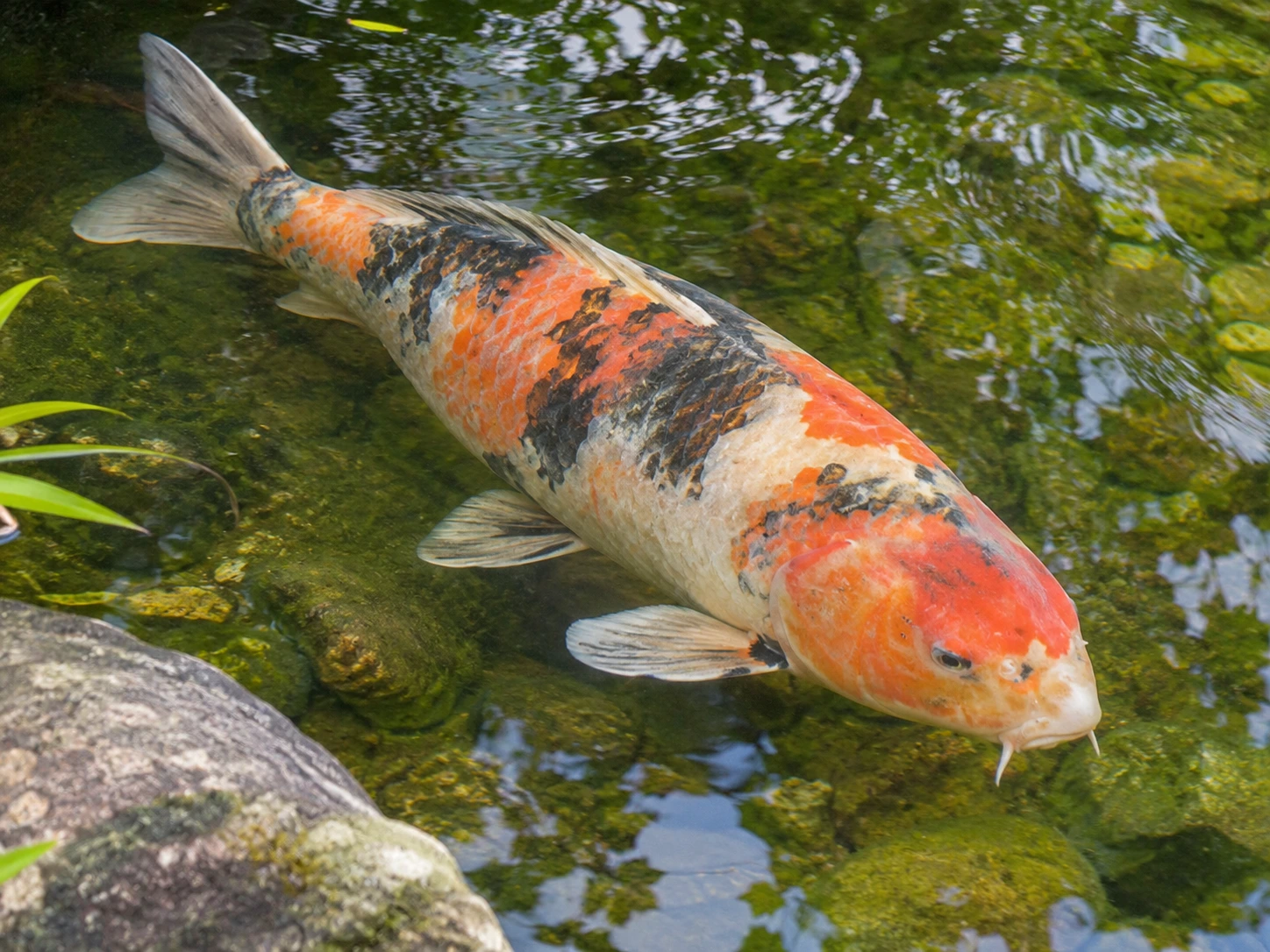
Separately, true color fading does happen in genuinely older koi — this is a real, natural process, not unlike hair gradually graying in humans. Some bloodlines and individual fish are simply genetically predisposed to hold their color better or worse over a long lifespan. This kind of fading tends to be slow, gradual, and affects an otherwise healthy-looking, normally-behaving fish.
The Real Factors Behind Koi Color
Diet: The Single Biggest Controllable Factor
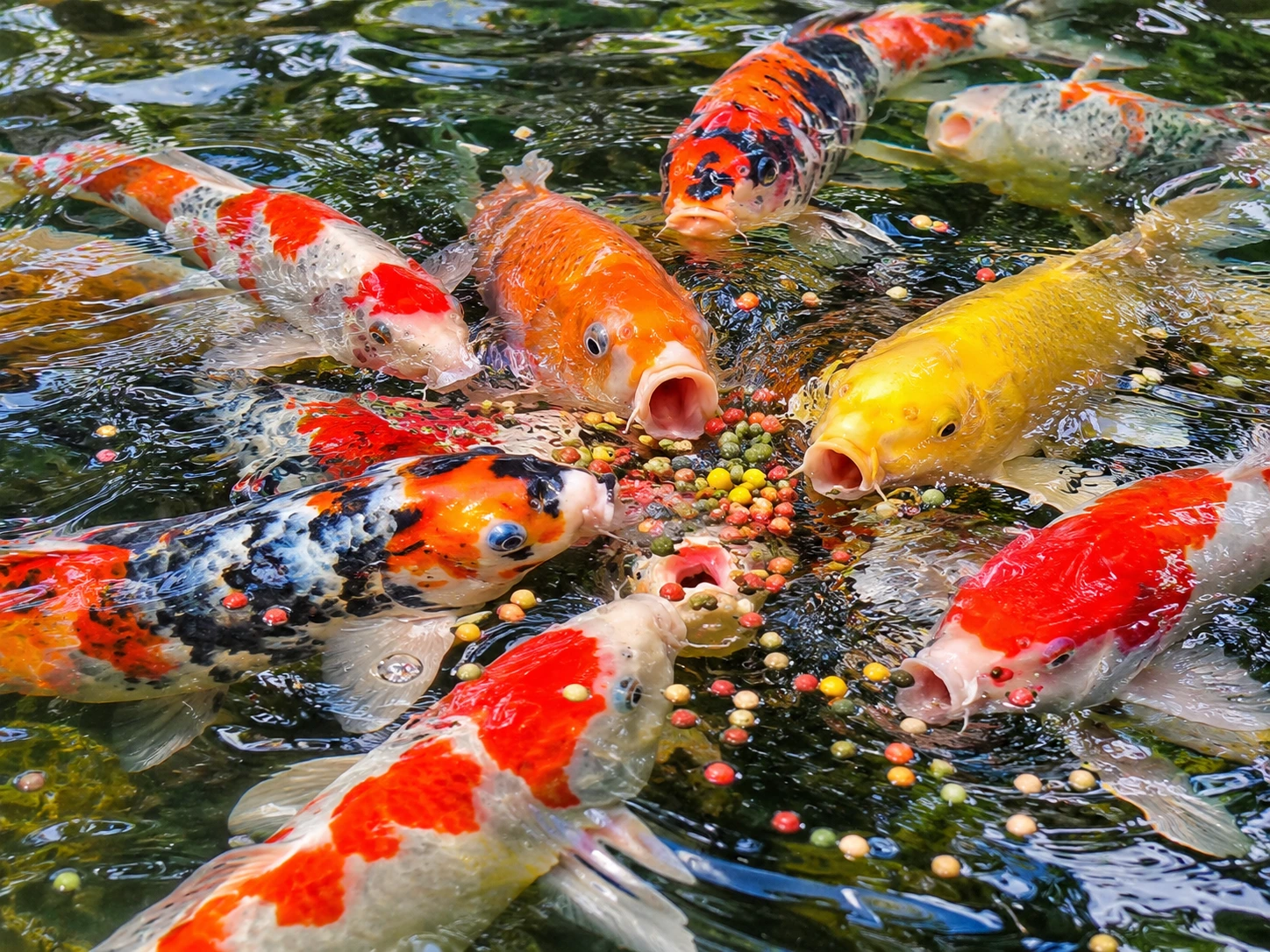
Diet accounts for up to 40% of a koi’s overall color intensity — making it the most impactful factor you actually have control over. Carotenoid pigments (found in spirulina, krill, shrimp meal, and similar ingredients) directly fuel red, orange, and yellow coloration. A koi on a poor-quality diet can fade noticeably even with no underlying health problem at all.
🎨 Mr. Kodama Koi Food — Color Up Spirulina (Japan)
Carotenoid concentration nearly double that of standard spirulina koi foods, specifically formulated to brighten red coloration.
🛒 Check Price on Amazon →Genetics: Real, Identified Mechanisms
This isn’t just a vague catch-all explanation — researchers have identified specific genetic mechanisms behind koi coloration. The MC1R gene, for example, has a documented role in controlling black (sumi) pigmentation in koi, similar to its role in many other animals. Some bloodlines are bred for “late-blooming” pigment that only fully develops with maturity, while others carry genetics for color that’s simply more stable — or less stable — over a long lifespan.
Water Quality and Sunlight
Stress from rising ammonia, nitrites, or unstable pH can cause pigment cells to temporarily contract, making colors appear duller or washed out — this is usually reversible once water quality improves. Sunlight exposure plays a genuine role too: adequate UV exposure helps bring out and maintain vivid coloration, while koi kept in heavily shaded conditions, especially lighter varieties, can look noticeably less vibrant.
When Fading Signals a Real Problem
Most color changes are completely natural. But a few patterns are worth paying closer attention to:
- Rapid fading combined with other symptoms (clamped fins, lethargy, loss of appetite) suggests an ammonia spike or other acute water quality issue — test your water promptly.
- Sudden, patchy, or asymmetric color loss can indicate illness rather than normal aging or genetics.
- Gradual, even fading in an otherwise healthy, normally behaving fish is almost always just natural aging or genetics — nothing to be concerned about.
Conclusion
“Koi losing color with age” is really two different stories: young koi often gain richness and shine as they mature, while true fading is a separate, genuinely natural process that shows up later in a koi’s life, driven mainly by genetics. Diet remains the single biggest factor you can actually influence — a quality, carotenoid-rich food can keep colors vibrant for far longer than genetics alone would allow, even as a koi ages gracefully.
FAQs
Is it normal for koi colors to change as they grow?
Yes — young koi frequently develop richer, more intense colors as they mature, as hidden pigments surface and metallic varieties develop more shine. This is different from true age-related fading, which happens later.
How much does diet actually affect koi color?
Diet accounts for up to 40% of a koi’s overall color intensity, making it the single most impactful factor a keeper can control.
Can I reverse color fading in an older koi?
If the fading is due to diet or water quality, improving both can genuinely help restore vibrancy. If it’s true age-related or genetic fading, it typically can’t be reversed, similar to natural graying.
When should I worry about my koi losing color?
If fading is rapid and accompanied by other symptoms like clamped fins or lethargy, test your water immediately — this can signal an ammonia spike or other acute issue, not just natural aging.
You may also like


Passionate about fish keeping since elementary school in the 1980s, Giovanni Carlo has dedicated countless hours to collecting and breeding a diverse array of ornamental freshwater fish. From vibrant guppies and majestic koi to striking bettas and classic goldfish, he continues to explore the fascinating world of aquatics, sharing knowledge and enthusiasm with fellow fish enthusiasts.
Facebook · Instagram · Twitter · Pinterest · TikTok · LinkedIn · YouTube

Passionate about fish keeping since elementary school in the 1980s, Giovanni Carlo has dedicated countless hours to collecting and breeding a diverse array of ornamental freshwater fish. From vibrant guppies and majestic koi to striking bettas and classic goldfish, he continues to explore the fascinating world of aquatics, sharing knowledge and enthusiasm with fellow fish enthusiasts.