Quick Answer
Koi were originally bred as food fish in China over 2,000 years ago before Japanese breeders turned them ornamental in the 1800s. They can recognize individual people, grow up to 3 feet long, live for decades (one famous fish reportedly for over two centuries), and a single show-quality specimen has sold for roughly $1.8 million.

Koi fish have captivated enthusiasts for centuries with their striking colors, calm movements, and rich symbolism. Here are 10 facts that go beyond the obvious “they’re pretty” observation.
1. Koi Started as Food, Not Decoration
Koi (Cyprinus rubrofuscus) were originally bred in China over 2,000 years ago purely as a food source. It wasn’t until the 19th century that Japanese farmers began selectively breeding them for color and pattern, giving rise to the ornamental varieties known today.
2. Koi and Goldfish Aren’t the Same Species
Despite sharing a common ancestor and a similar look at a glance, koi and goldfish are genetically distinct. Koi grow considerably larger, thrive best in outdoor ponds, and generally show more elaborate color patterns than goldfish typically do.
3. There’s a Legend About Koi Turning Into Dragons
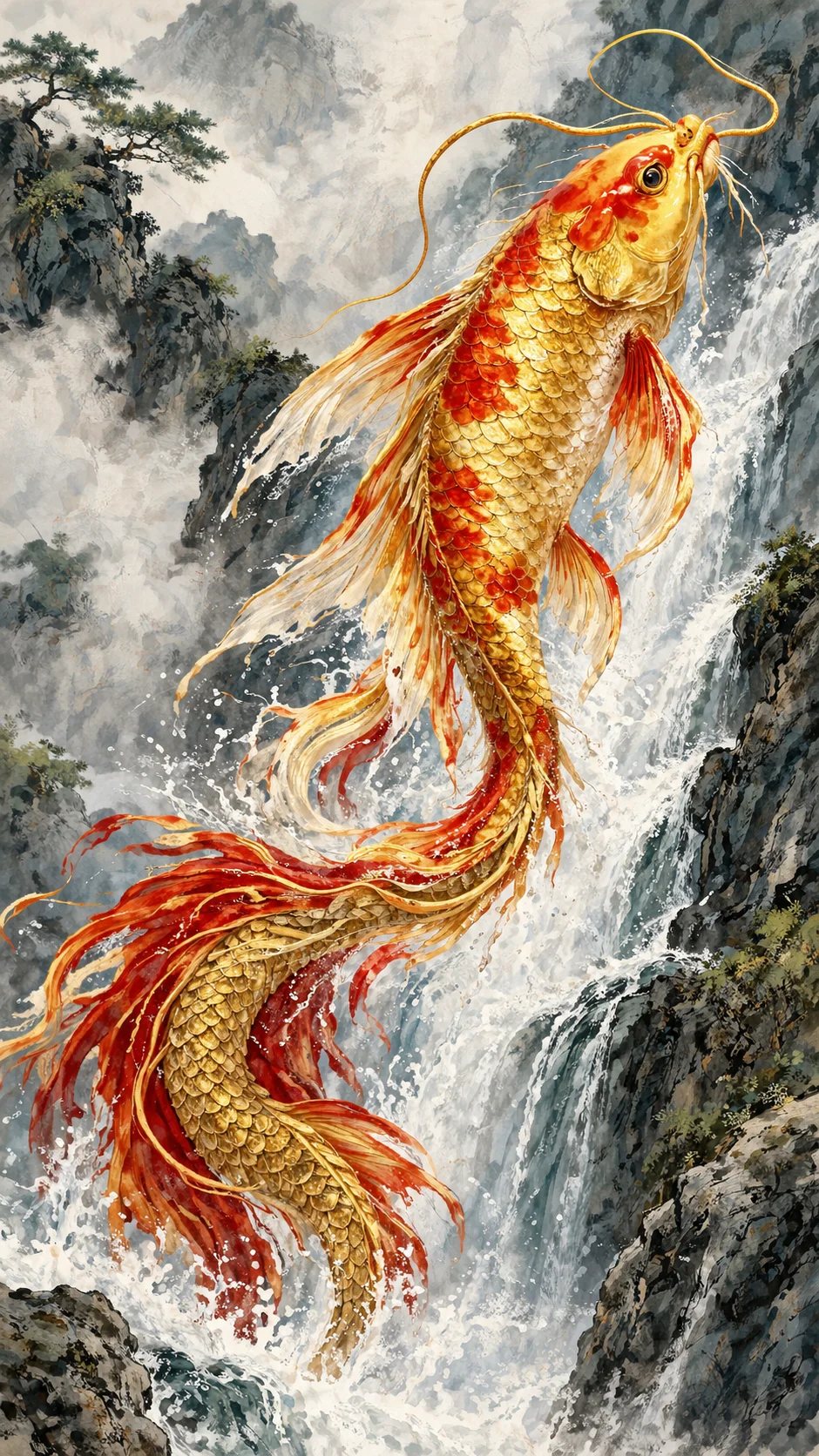
An ancient Chinese myth tells of koi swimming upstream to leap over the Dragon Gate waterfall — those that succeeded were said to transform into dragons, a story that underpins much of koi’s symbolism around perseverance and overcoming adversity in both Japanese and Chinese culture.
This symbolism shows up constantly in home decor too — a nine koi feng shui canvas print is a popular choice specifically because nine koi together is considered especially auspicious for prosperity and good fortune.
4. Koi Can Grow Surprisingly Large
Under ideal conditions, koi can reach up to 36 inches (3 feet) long — considerably bigger than most people expect from a pond fish. Genetics, diet, and pond size all factor into how large an individual koi ultimately gets.
5. Koi Recognize Individual People
Koi are genuinely social and curious, often swimming toward their owners specifically at feeding time, and with enough consistent interaction, many can be trained to eat directly from a hand. For the full method, see our guide to hand-feeding koi.
6. Koi Can Jump Surprisingly Well
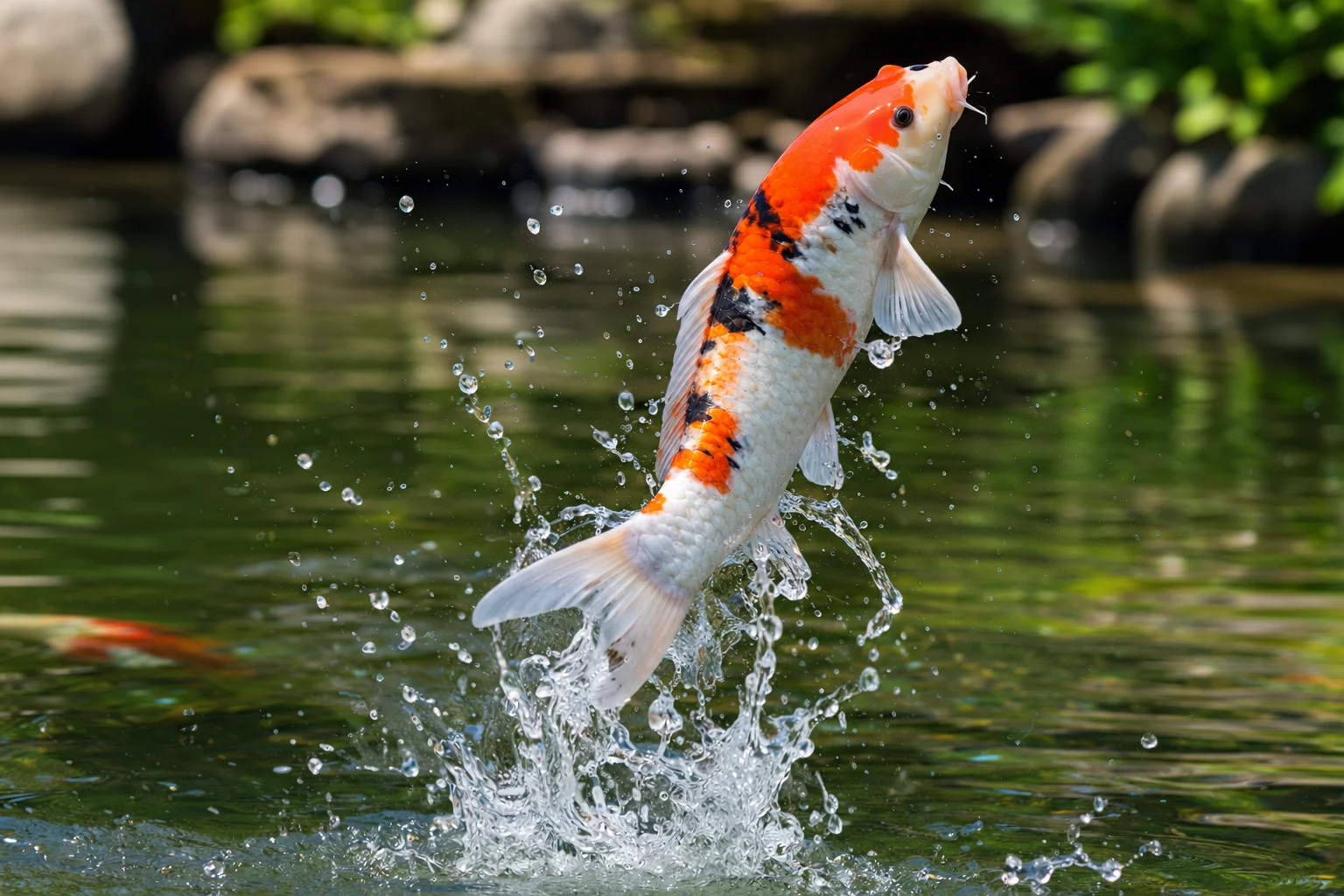
Koi are more agile than they look and can leap clear out of the water — a behavior most commonly seen during spawning or when the fish are excited, such as at feeding time.
7. One Famous Koi Reportedly Lived Past 200
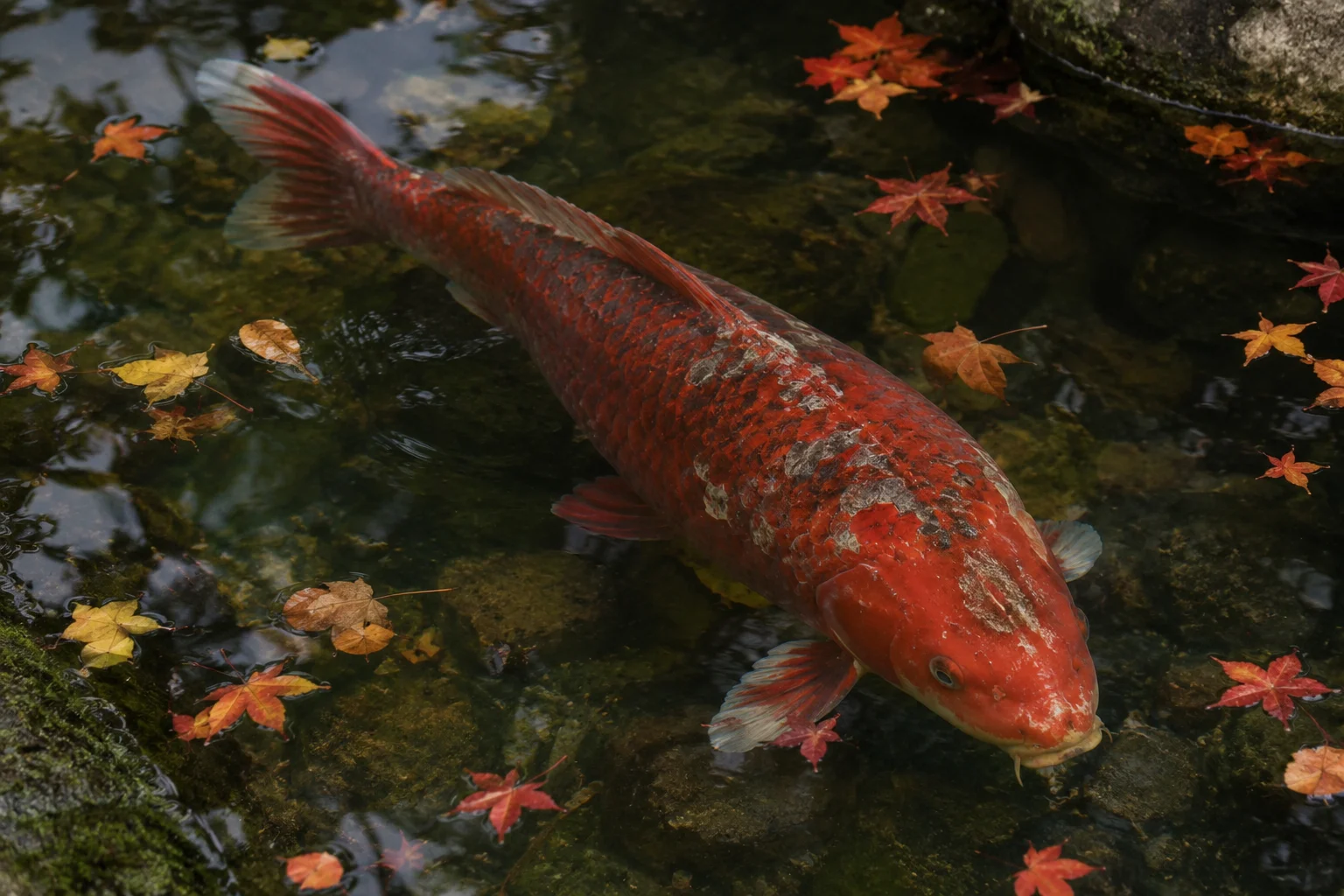
A scarlet koi named Hanako was reportedly owned by one family for over two centuries, said to have died in 1977 at 226 years old based on a count of growth rings on her scales. Fact-checkers have never been able to independently confirm the historical records behind this claim, so treat it as a famous, widely repeated story rather than settled fact — even without it, koi are still remarkable for commonly living 20-50 years with good care.
8. Koi Eat More Than Just Pellets
Koi are omnivores that do well on a mix of high-quality pellets, vegetables like lettuce and peas, and protein sources like shrimp or worms. Feed 1-2 times daily, offering only what they can finish within about five minutes — overfeeding is one of the most common causes of poor water quality in a koi pond.
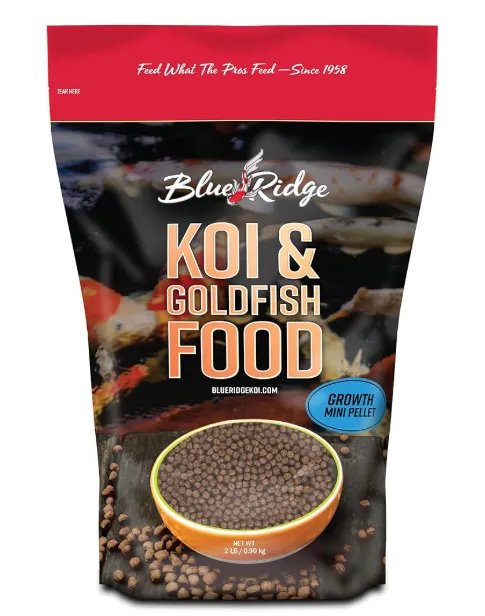
Karashigoi-formulated koi food is a solid option if you’re specifically keeping or trying to bring out the deep, even coloring on darker koi varieties.
9. A Koi Once Sold for $1.8 Million
A koi named “S Legend” reportedly sold for around $1.8 million in 2017, reflecting decades of selective breeding behind a genuinely flawless pattern and lineage. For more on what drives koi prices this high, see our most expensive koi fish guide.
10. Koi Keeping Has Genuine Global Communities
While Japan remains the birthplace of ornamental koi, dedicated keeper communities and breeding programs have grown substantially in China, the United States, and increasingly the Philippines — koi have become a genuinely global hobby, not just a Japanese one.
Frequently Asked Questions
What is the biggest difference between koi and goldfish?
Size and habitat, mainly — koi grow considerably larger and are best suited to outdoor ponds, while goldfish stay smaller and are commonly kept in indoor aquariums. Despite the visual similarity, the two are genetically distinct species.
Do koi fish really recognize their owners?
Yes — koi are social and curious enough to recognize and respond to individual people, especially around feeding time, and many can be trained to eat directly from a hand with consistent interaction.
How big do koi fish get?
Under ideal conditions, koi can reach up to 36 inches (3 feet), though genetics, diet, and pond size all affect how large an individual fish ultimately grows.
You may also like


Passionate about fish keeping since elementary school in the 1980s, Giovanni Carlo has dedicated countless hours to collecting and breeding a diverse array of ornamental freshwater fish. From vibrant guppies and majestic koi to striking bettas and classic goldfish, he continues to explore the fascinating world of aquatics, sharing knowledge and enthusiasm with fellow fish enthusiasts.