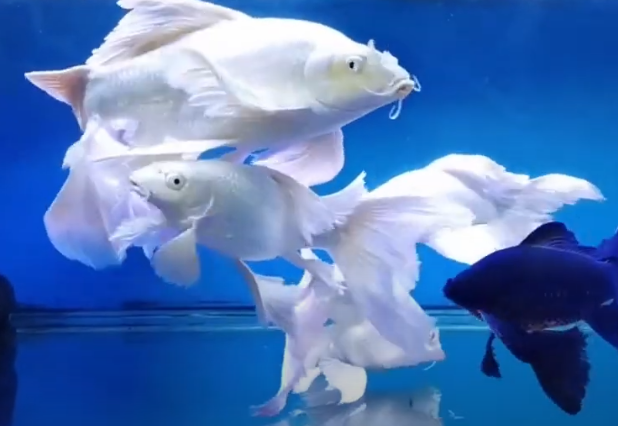
Koi Fish Meaning: Complete Guide to Symbolism, Colors & Cultural Significance

Home › Koi Fish Meaning Koi Fish Meaning: Complete Guide to Symbolism, Colors, and Cultural Significance By Giovanni Carlo Bagayas  |  Updated: June 2026  |  18 min read Koi fish are among the most symbolically rich creatures in human culture — carrying meanings of perseverance, wealth, love, and transformation across Japanese, Chinese, Buddhist, and feng

Koi Fish Meaning: Complete Guide to Symbolism, Colors & Cultural Significance Read More »

koi fish facts

Koi fish facts Why Koi Fish Are More Than Just Beautiful: Uncovering Their History and Cultural Significance

Koi fish, also known as Nishikigoi, are a type of ornamental fish that originated in Japan. They are popular worldwide due to their vibrant colors, patterns, and serene beauty. In this article, we will explore some interesting facts about koi fish. Koi fish have been bred for over 200 years in Japan. Originally, they were

Koi fish facts Why Koi Fish Are More Than Just Beautiful: Uncovering Their History and Cultural Significance Read More »

koi fish craft water color painting

Unleash the Beauty of Koi Fish Craft: A Guide to Adding Japanese Culture to Your Decor

Koi fish craft is a popular art form that involves creating decorative objects, accessories, and even jewelry that are inspired by the beautiful and majestic koi fish. Koi fish, also known as Nishikigoi, are a type of ornamental carp that originated in Japan and are known for their bright and vibrant colors, as well as

Unleash the Beauty of Koi Fish Craft: A Guide to Adding Japanese Culture to Your Decor Read More »

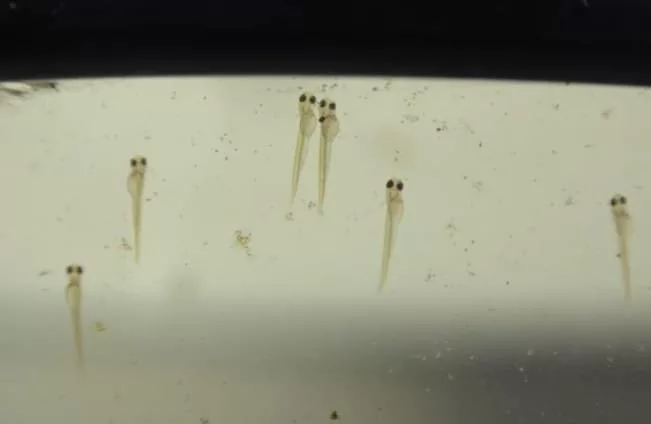
daphnia for sale

Daphnia Magna: The Complete Culturing Guide for Koi

Quick Answer Daphnia magna is a freshwater “water flea” widely cultured as live food for koi and aquarium fish. Culture it in dechlorinated water at 64–75°F (18–24°C), pH 7.0–8.0, feeding green water, baker’s yeast, or spirulina powder — with gentle aeration only, never a strong airstone, and regular partial harvesting to keep the culture stable.

Daphnia Magna: The Complete Culturing Guide for Koi Read More »

shusui koi

Shusui Koi: The Complete Guide to History, Types & Care

Quick Answer Shusui is the scaleless (Doitsu) counterpart to Asagi — a blue-grey koi with a single row of large mirror scales along its back instead of full scaling, with red (hi) or yellow (ki) markings along its sides. It was the first Doitsu koi variety ever bred, created in the early 1900s by crossing

Shusui Koi: The Complete Guide to History, Types & Care Read More »

asagi koi

Asagi Koi: The Complete Guide to History, Varieties & Care

Quick Answer Asagi is one of the oldest koi varieties, with a net-like pattern of pale-edged blue scales across its back and red (motoaka) at the fins, cheeks, and belly. It’s considered a direct descendant of the Asagi Magoi — the wild black carp regarded as the ancestor of all modern ornamental koi — with

Asagi Koi: The Complete Guide to History, Varieties & Care Read More »

Ki Utsuri Koi: The Complete Guide to the Rarest Utsuri

Quick Answer Ki Utsuri is the oldest and rarest of the three Utsurimono koi varieties, pairing a deep black (sumi) base with bright yellow (ki) markings. It was the first Utsuri type developed, but its yellow pigment is notoriously hard to breed consistently — which is why it’s rarer today than the later Hi Utsuri

Ki Utsuri Koi: The Complete Guide to the Rarest Utsuri Read More »

Hi Utsuri Koi: The Complete Guide to Kiwa, Care & Price

Quick Answer Hi Utsuri is a Japanese koi variety with a jet-black (sumi) base overlaid with bold red (hi) markings. It’s part of the Utsurimono family alongside Shiro Utsuri (white) and Ki Utsuri (yellow), and is prized for sharp kiwa (the edge where red meets black) and clean, unbroken sumi that wraps the body rather

Hi Utsuri Koi: The Complete Guide to Kiwa, Care & Price Read More »

How to Breed Guppy Fish: A Step-by-Step Guide (With Real Cost Data)

Quick answer: Breed guppy fish by keeping one male to every 2–3 females in a mature, planted tank at 24–28°C (75–82°F) and pH 7.0–8.0. Watch the female’s belly for a dark “gravid spot” near her vent — that means she’s due to give birth within a few days. Move her to a breeding trap or

How to Breed Guppy Fish: A Step-by-Step Guide (With Real Cost Data) Read More »

types of koi kohaku koi

Kohaku Koi: History, Judging Terms & Every Pattern Type Explained

Quick Answer Kohaku is a koi variety with a white body (Shiroji) and red markings (Hi), and it’s the founding member of the “Gosanke” — the three most prized koi varieties alongside Sanke and Showa. Quality is judged on the whiteness of the skin, the depth and evenness of the red, sharp clean edges between

Kohaku Koi: History, Judging Terms & Every Pattern Type Explained Read More »

Koi Pond Maintenance Schedule: Daily, Weekly, Monthly & Seasonal Checklist

Quick Answer Koi pond maintenance breaks down into four cadences: daily (remove debris, check fish behavior), weekly (test pH/ammonia/nitrite, clean skimmer basket), monthly (deep-clean filter media, inspect equipment), and seasonal (spring startup, fall shutdown prep). Feeding and testing frequency should also shift with water temperature — stop feeding below 50°F, switch to wheat-germ food between

Koi Pond Maintenance Schedule: Daily, Weekly, Monthly & Seasonal Checklist Read More »