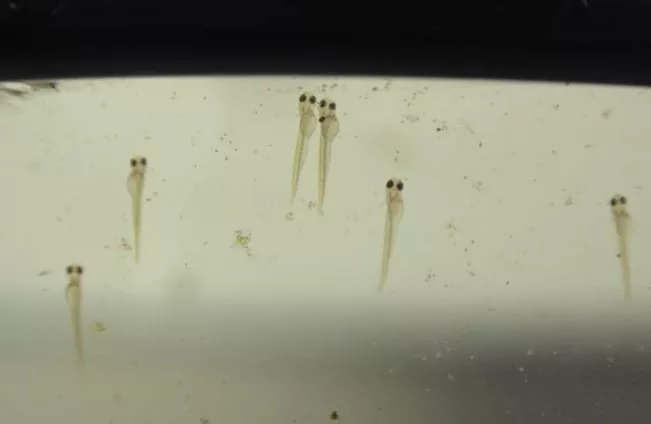
koi fish

koi fish facts and information specifically was known as Nishikigoi
are colored varieties of common carp (Cyprinus carpio) that are
kept for decorative purposes in outdoor, outdoor koi pond and
water gardens throughout the world learn more about the koi fish
here like koi fish care and koi fish breeding

oil paintings for sale oil paintings for sale 9 koi fish feng shui with lotus flower

Koi Fish Anatomy: External and Internal Structure Explained

Quick Answer A koi’s external anatomy includes scales, mucus-covered skin, five fin types, an operculum (gill cover), barbels (whiskers), and a lateral line for sensing sound and vibration. Internally, koi are genuinely stomachless — a trait called “agastric,” shared across the entire carp family — with food processed instead by pharyngeal teeth in the throat

Koi Fish Anatomy: External and Internal Structure Explained Read More »

solar powered pond aerator power outage? 5 things to do with your koi pond during power outage

How Long Can Koi Survive Without Oxygen? 5 Things to Do During a Power Outage

Quick Answer Without aeration, koi will consume available oxygen and can die — water below 3 mg/l of dissolved oxygen generally can’t support fish. That said, most ponds handle a short power outage fine, especially in cold water, since cooler water holds more oxygen and fish metabolism slows down. For genuine emergencies, options include a

How Long Can Koi Survive Without Oxygen? 5 Things to Do During a Power Outage Read More »

Discover the Top 15 Algae-Eating Fish for Ponds — Transform Your Water Garden!

Quick Answer The best algae-eating fish for koi ponds include the Common Pleco, Weather Loach (also called Pond Loach or Dojo Loach — all the same species), Siamese Algae Eater, Otocinclus Catfish, and Flying Fox. Larger options like Grass Carp and Channel Catfish work too, but require more space and planning — some states require

Discover the Top 15 Algae-Eating Fish for Ponds — Transform Your Water Garden! Read More »

how to cull koi fry

How to Cull Koi Fry: A Guide to Cultivating Koi Champions Through Fry Selection

Quick Answer Culling koi fry — called “senbetsu” in Japan — means selecting fish with the strongest potential (body shape, pattern, skin quality, finnage) and rehoming or humanely removing the rest, not simply discarding weaker fish. The first culling typically happens 4-6 weeks after hatching, once fry reach 1-1.5 inches, with a second culling about

How to Cull Koi Fry: A Guide to Cultivating Koi Champions Through Fry Selection Read More »

koi fry

Koi Fry: Environmental Factors, Feeding, and Real Survival Rate Data

Quick Answer Koi fry growth and survival depend heavily on four environmental factors: water temperature (65-75°F), pH (7.0-8.0), dissolved oxygen (above 6 mg/L), and a 12-hour light/dark cycle. The difference proper management makes is dramatic and measurable: fry left in a community pond typically see only 15-30% survival, while fry raised in a separate, well-managed

Koi Fry: Environmental Factors, Feeding, and Real Survival Rate Data Read More »

Yellow scaleless Doitsu Matsuba

Aka Matsuba Butterfly Koi: Striking Black Net Pattern

Quick Answer Aka Matsuba Butterfly Koi combine two distinct traits: the Matsuba pattern (a solid metallic base with a black, pine-cone-like net pattern on the scales) in its red “Aka” color variant, with the long, flowing fins of a butterfly koi. Matsuba is essentially an Ogon koi with added reticulation, belonging to the Hikari Muji

Aka Matsuba Butterfly Koi: Striking Black Net Pattern Read More »

How to Catch Koi: Stressed Koi No More! Gentle Techniques for Catching & Handling

Quick Answer Catching koi safely requires a fine-mesh koi net or sock (not a standard garden net), calm and slow movements, wet hands to protect their slime coat, and minimizing air exposure during transfer. Avoid chasing the fish, catch during early morning or evening when koi are less active, and only catch when genuinely necessary

How to Catch Koi: Stressed Koi No More! Gentle Techniques for Catching & Handling Read More »