


Quick Answer
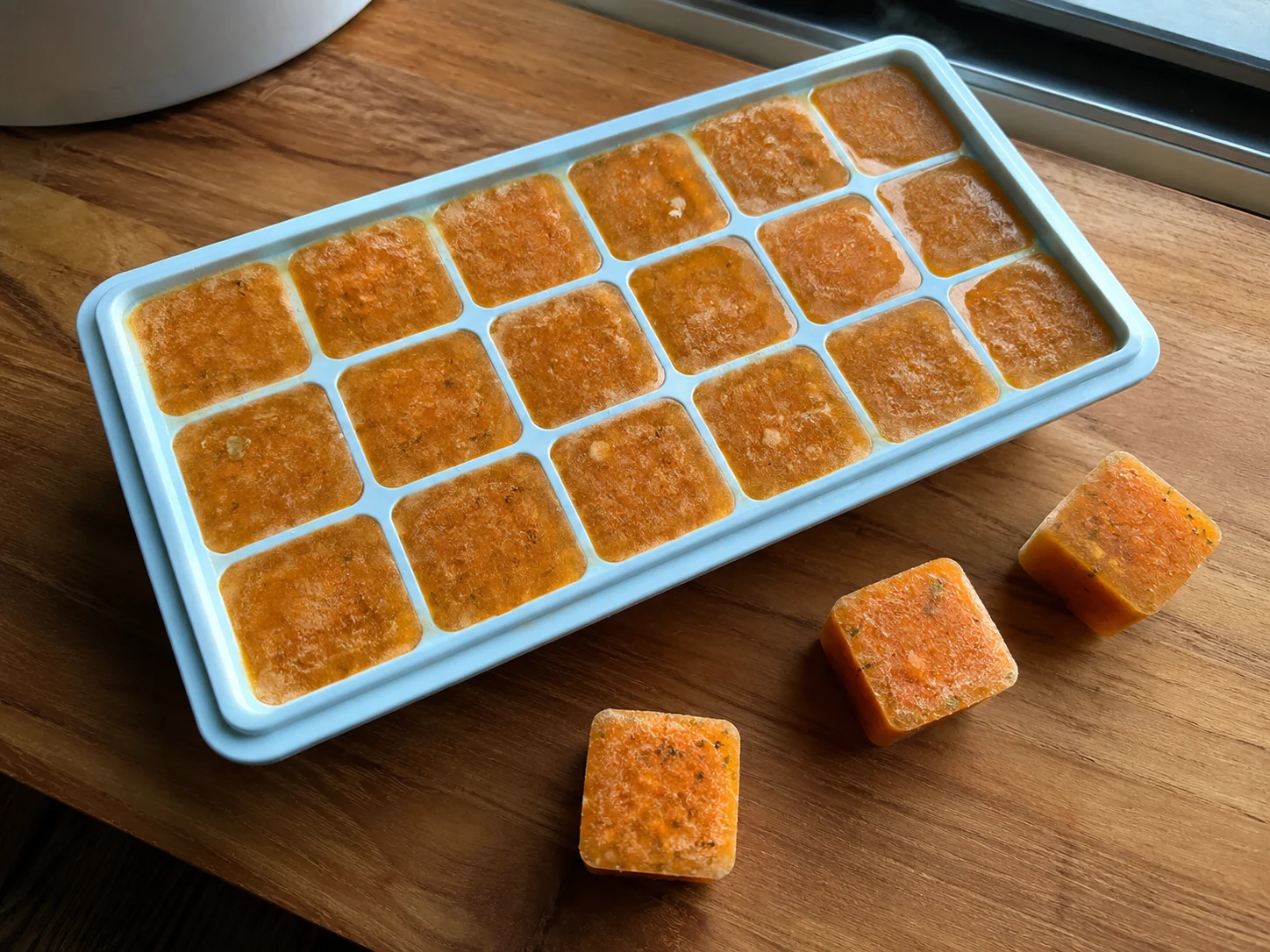
Homemade koi food should hit 35–40% protein from sources like shrimp, krill, or fish, bound together with unflavored gelatin (about 20g per 500g of wet mix), then frozen in small portions. Feeding needs change with water temperature: high-protein growth food in summer, light wheat-germ-based food in spring and fall, and little to none once water drops below 46°F (8°C). Feed only what your koi finish in about 5 minutes.
Why Make Your Own Koi Food?
Koi are relatively easy to care for, but premium commercial food adds up fast. Making your own lets you control exactly what goes in, tailor the recipe to your koi’s needs, and often costs less than store-bought pellets — especially if you’re feeding a larger pond.
- Cost savings over premium commercial pellets
- Full ingredient control — no fillers or unnecessary additives
- Customizable to your koi’s growth stage, season, or health needs
- Fresher than long-shelf-life dry pellets
What Koi Food Actually Needs: Nutritional Targets
Most homemade recipe guides skip the actual numbers. Here’s what a nutritionally complete koi food needs to hit:
| Nutrient | Target | Good Sources |
|---|---|---|
| Protein | 35–40% (growing season) | Shrimp, krill, white fish, prawns |
| Fat / essential fatty acids | Moderate | Linseed (flaxseed) oil, fish oil |
| Carbohydrates | Balanced, not excessive | Sweet potato, peas, rice |
| Color enhancers | As desired | Spirulina, carrots, spinach (carotenoids) |
| Binder | ~20g gelatin per 500g wet mix (or 10g agar for a vegetarian version) | Unflavored gelatin, agar-agar |
Two DIY Koi Food Recipes
Recipe 1: High-Protein Growth Food
Best for: spring and summer growing season

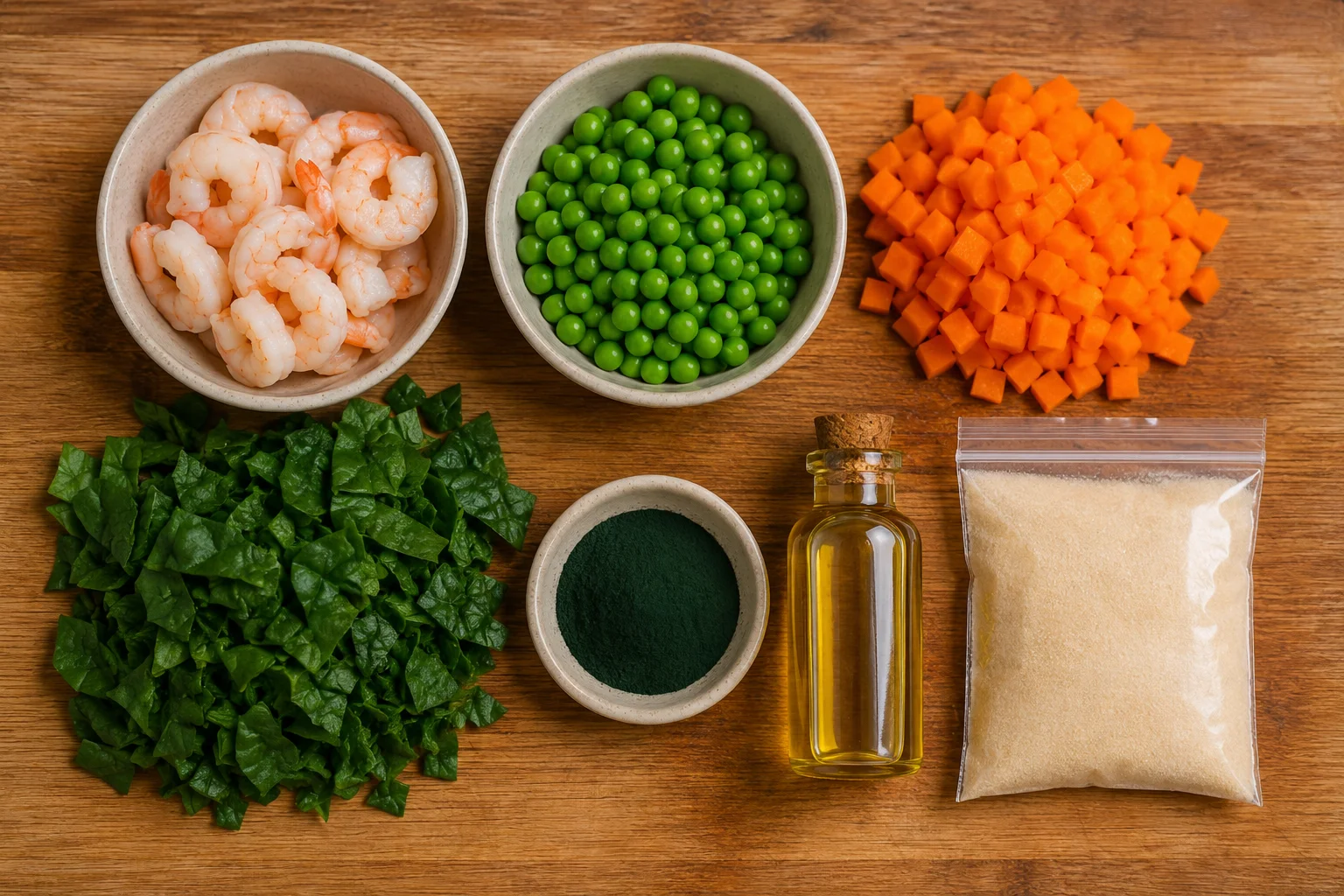
Ingredients:
- 1 cup cooked rice
- ½ cup cooked peas
- ¼ cup cooked shrimp
- ¼ cup chopped carrots
- ¼ cup chopped spinach
- ¼ cup spirulina powder
- ¼ cup fish oil
- 1–2 packets (about 20g) unflavored gelatin, dissolved in warm water
Instructions:
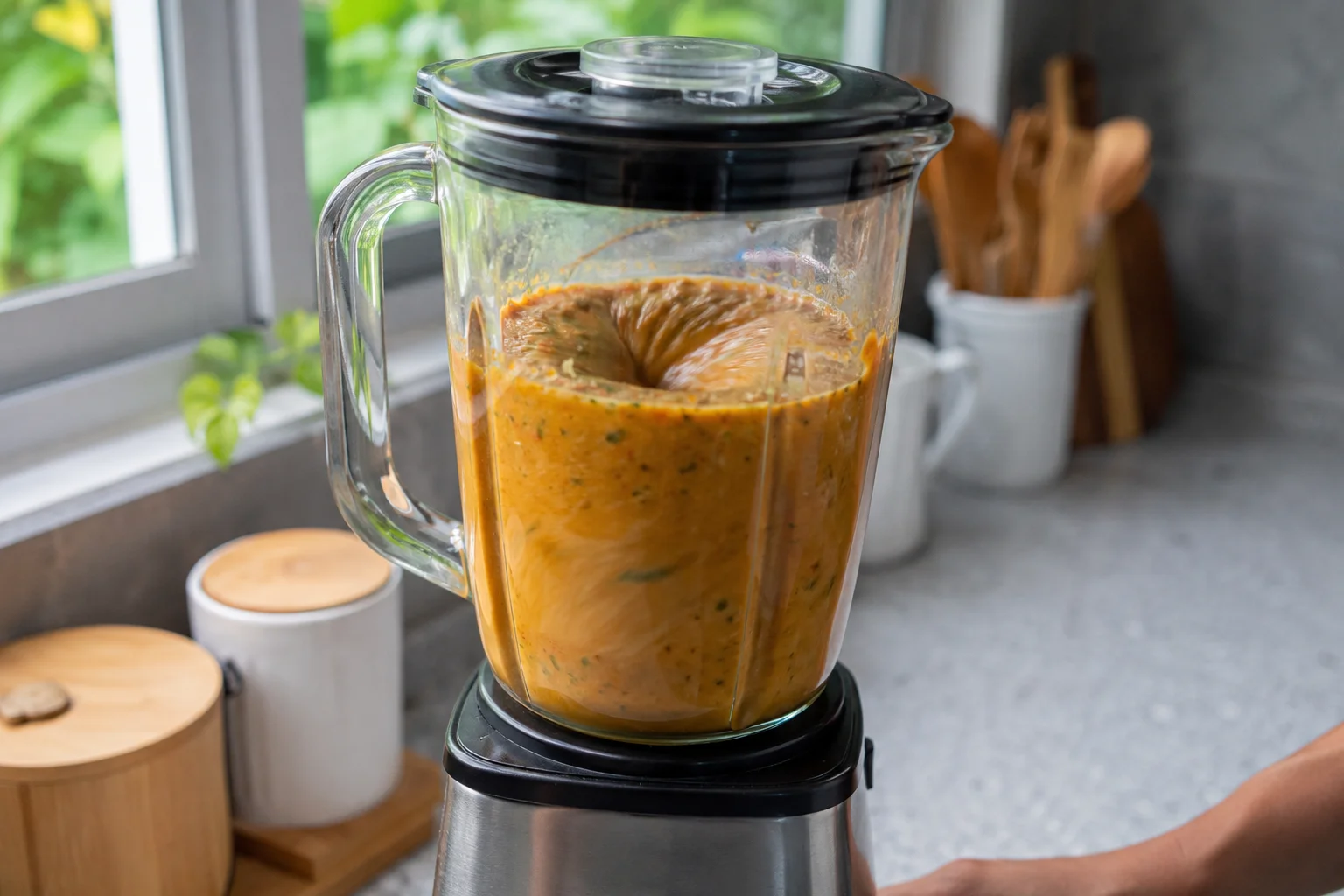
- Combine all ingredients except the gelatin in a blender and blend until smooth.
- Dissolve the gelatin in warm water separately, then blend it in last to bind the mixture.
- Pour into a shallow dish or ice cube tray for easy portioning.
- Refrigerate until set, then freeze portions you won’t use within a few days.
Recipe 2: Color-Enhancing Food
Best for: boosting red and orange pigmentation
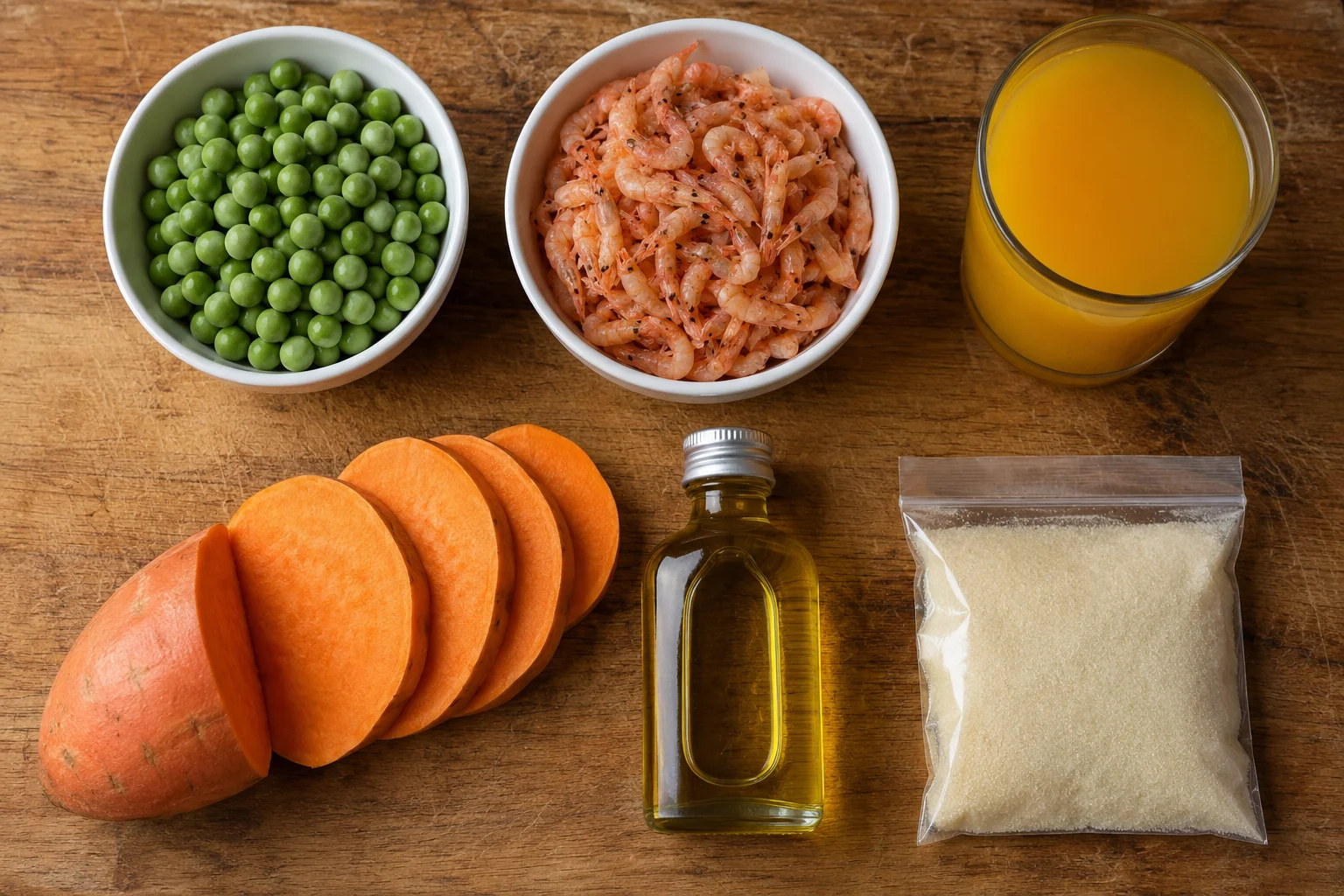
Ingredients:
- ½ cup cooked or frozen peas, shells removed
- ¼ cup krill
- ½ cup orange juice (or fresh orange segments)
- 1 small sweet potato, peeled and cooked
- 1⁄8 cup linseed (flaxseed) oil
- 1–2 packets (about 20g) unflavored gelatin, dissolved in warm water
Instructions:
- Blend the peas, krill, orange juice, sweet potato, and linseed oil until smooth.
- Dissolve the gelatin in warm water separately, then blend it in last.
- Pour into a pan or ice cube tray and refrigerate until firm.
- Freeze in portions for later use.
Seasonal Feeding Schedule
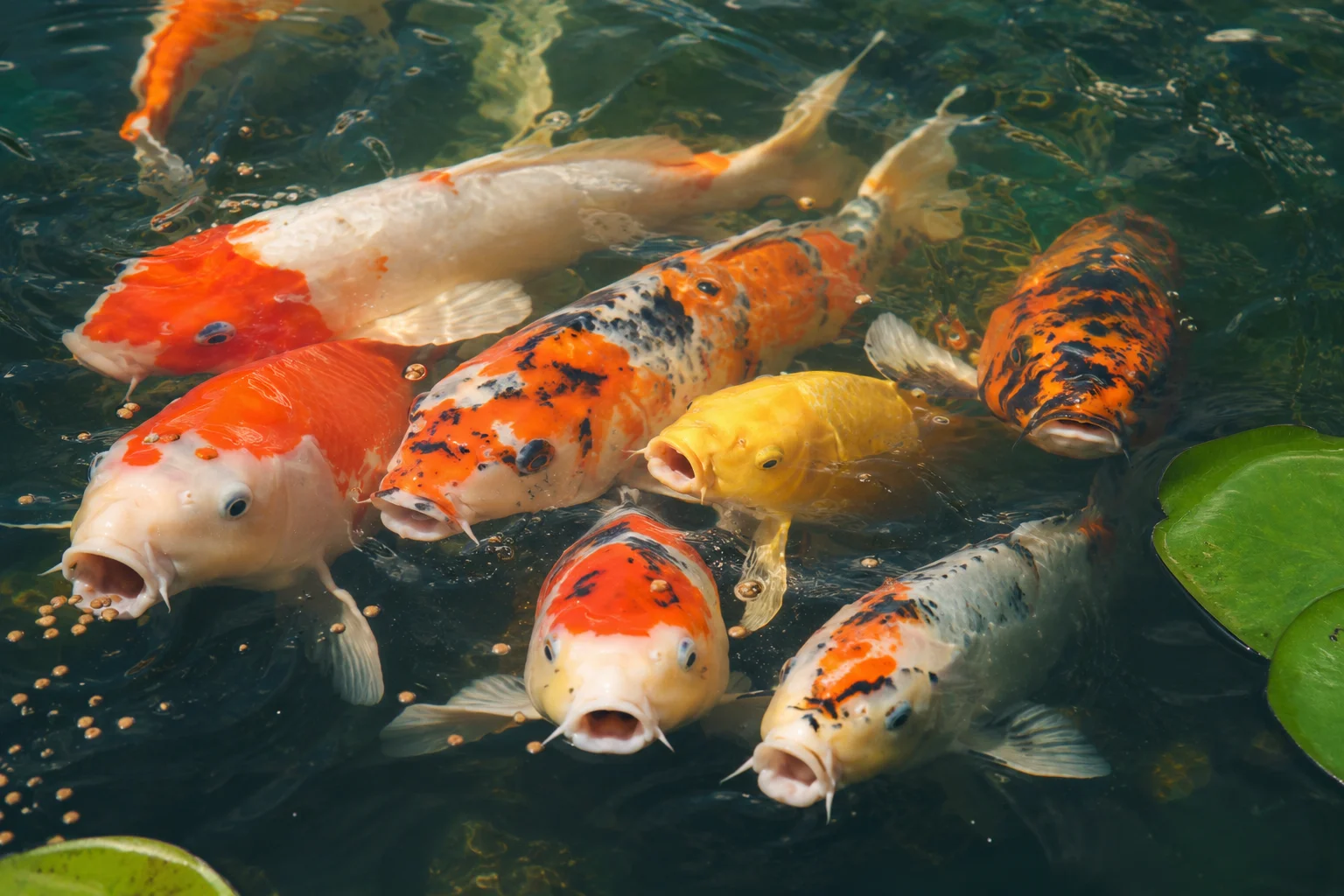
What and how much you feed should shift with water temperature — this is the biggest gap in most homemade koi food guides:
| Season / Water Temp | What to Feed |
|---|---|
| Spring (warming, below ~59°F/15°C) | Light, wheat-germ-based food; koi metabolism is still slow — avoid overfeeding |
| Summer (peak growing season) | High-protein, high-fat recipes; multiple small feedings per day |
| Fall (cooling) | Gradually reduce protein, shift back toward wheat-germ-based food; add immune boosters like a small amount of garlic or vitamin C |
| Winter (below 46°F / 8°C) | Feed minimally or stop entirely — koi digestion slows dramatically and undigested food can rot in their gut |
Storing and Portioning DIY Koi Food
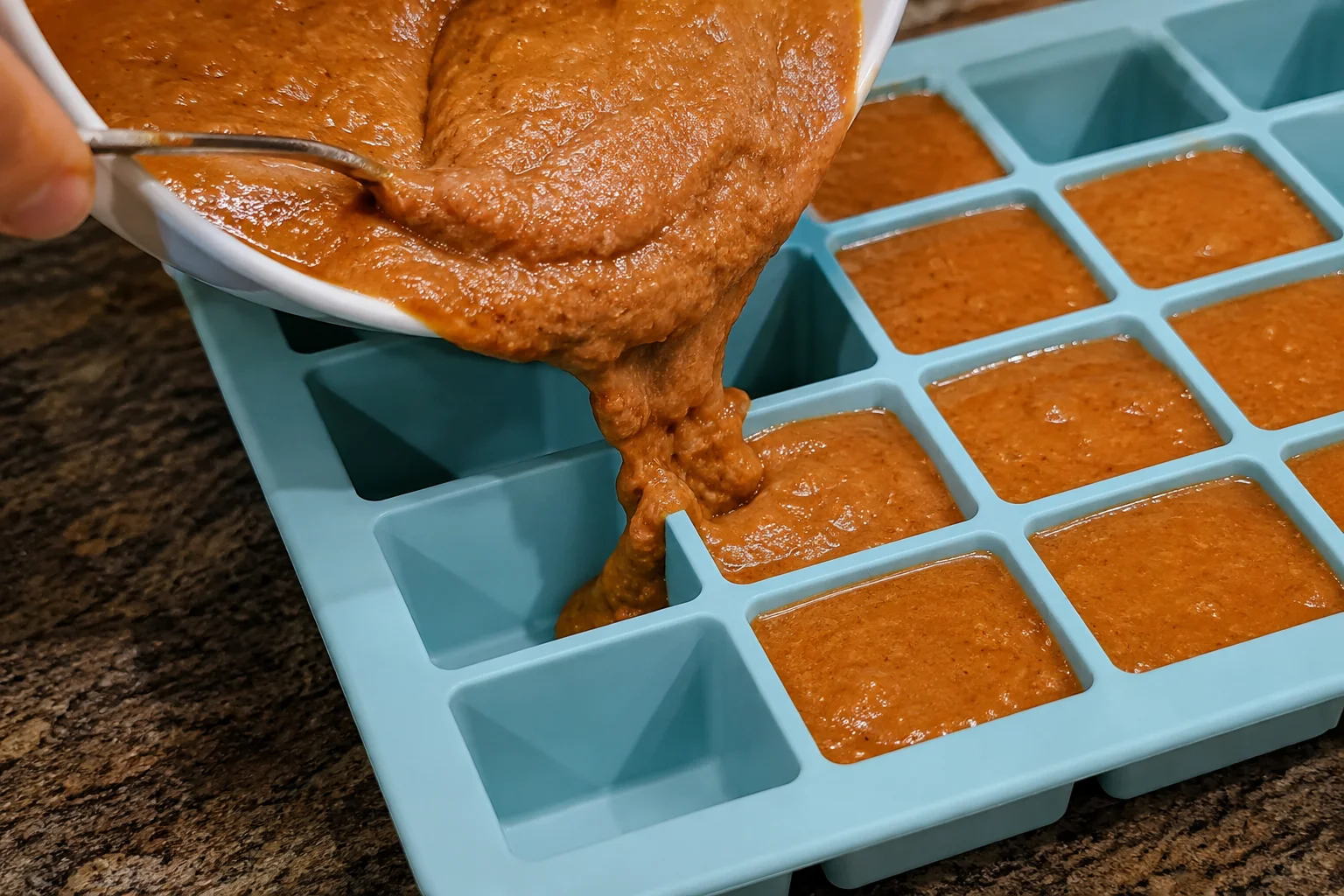
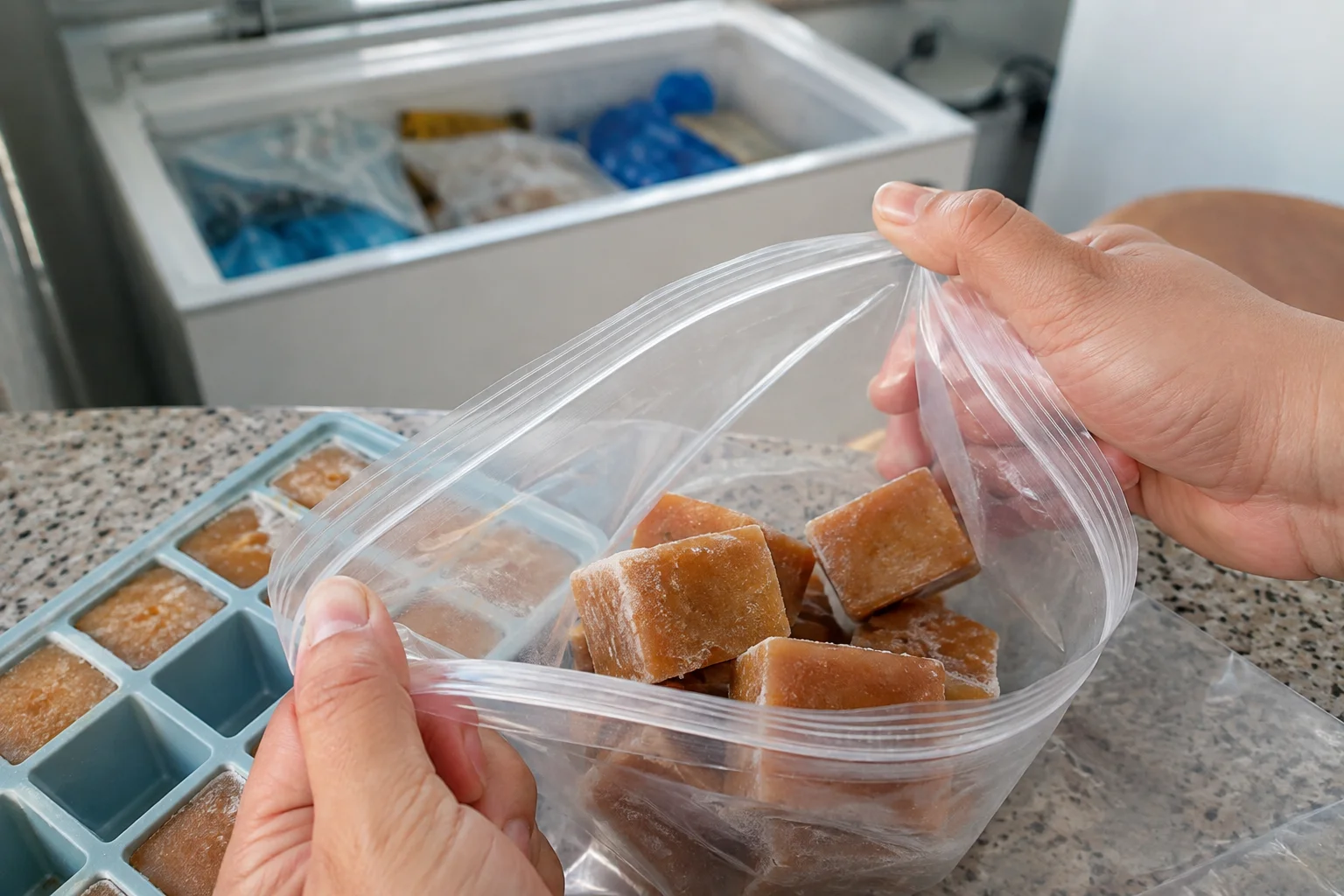
- Freeze in small portions — ice cube trays work well for pre-measured servings
- Frozen homemade food keeps for 6–9 months in a standard freezer
- Refrigerated (unfrozen) portions should be used within a few days
- Feed only what your koi finish in about 5 minutes — uneaten food fouls water quality quickly
- If the food is too firm straight from the freezer, soften it briefly in pond water before feeding
Ingredients: Safe vs. Genuinely Risky
The original advice floating around online about “toxic” koi ingredients is often overcautious or flat wrong. Here’s a corrected breakdown:
| Ingredient | Status |
|---|---|
| Garlic (small amounts) | Safe — commonly used for immune support in koi diets |
| Citrus / orange juice (small amounts) | Safe — common vitamin C source in homemade recipes |
| Cucumber, spinach, peas, carrots | Safe — standard koi food vegetables |
| Bread (as a staple) | Risky — low nutritional value, can cause bloating if overfed |
| Salty or heavily processed human food | Risky — not formulated for fish digestion |
| Avocado | Avoid — commonly flagged as unsafe for many animals including fish |
Common Mistakes with DIY Koi Food
- Feeding the same recipe year-round. Koi need less protein and less food overall as water cools — a summer recipe fed in winter can cause digestive problems.
- Skipping the binder. Without gelatin or agar, homemade food falls apart in water and pollutes the pond faster than it gets eaten.
- Overfeeding because it’s homemade. “Natural” doesn’t mean unlimited — stick to the 5-minute rule regardless of recipe.
- Introducing new ingredients too fast. Change one component at a time and watch for any negative reaction before making it a regular part of the diet.
Conclusion
Homemade koi food can be cheaper, fresher, and more tailored to your fish than store-bought pellets — as long as it hits real protein targets, uses a proper binder, and shifts with the seasons. Skip the vague “avoid citrus and garlic” advice that circulates online, and focus instead on protein percentage, portion control, and matching what you feed to water temperature.
FAQs
What human food can I feed my koi?
Leafy greens like spinach are a good option and are easy to introduce — wash the leaves and add them directly to the pond. Peas, cucumber, and small amounts of orange are also commonly fed.
What ingredients are in homemade koi food?
Common protein sources include shrimp, krill, and white fish; plant-based additions include spirulina, peas, and wheat germ; sweet potato and rice add carbohydrates; and gelatin or agar binds it all together.
What food makes koi grow the fastest?
A diet with 35 to 40% protein from sources like bloodworms, shrimp meal, and fishmeal, fed during the warm growing season when koi metabolism is highest.
Is garlic safe for koi fish?
Yes, in small amounts. Garlic is commonly used in homemade koi food recipes for its immune-supporting properties.
Can koi eat cucumber?
Yes. Cucumber is a popular, safe treat for koi and provides hydration and nutrients.
How long does homemade koi food last?
Frozen homemade koi food keeps for about 6 to 9 months. Refrigerated, unfrozen portions should be used within a few days.
Should I feed koi differently in winter?
Yes. Once water temperature drops below about 46°F (8°C), koi digestion slows dramatically, and feeding should be minimal or stopped entirely until temperatures rise again in spring.
You May Also Like

Passionate about fish keeping since elementary school in the 1980s, Giovanni Carlo has dedicated countless hours to collecting and breeding a diverse array of ornamental freshwater fish. From vibrant guppies and majestic koi to striking bettas and classic goldfish, he continues to explore the fascinating world of aquatics, sharing knowledge and enthusiasm with fellow fish enthusiasts.


Passionate about fish keeping since elementary school in the 1980s, Giovanni Carlo has dedicated countless hours to collecting and breeding a diverse array of ornamental freshwater fish. From vibrant guppies and majestic koi to striking bettas and classic goldfish, he continues to explore the fascinating world of aquatics, sharing knowledge and enthusiasm with fellow fish enthusiasts.